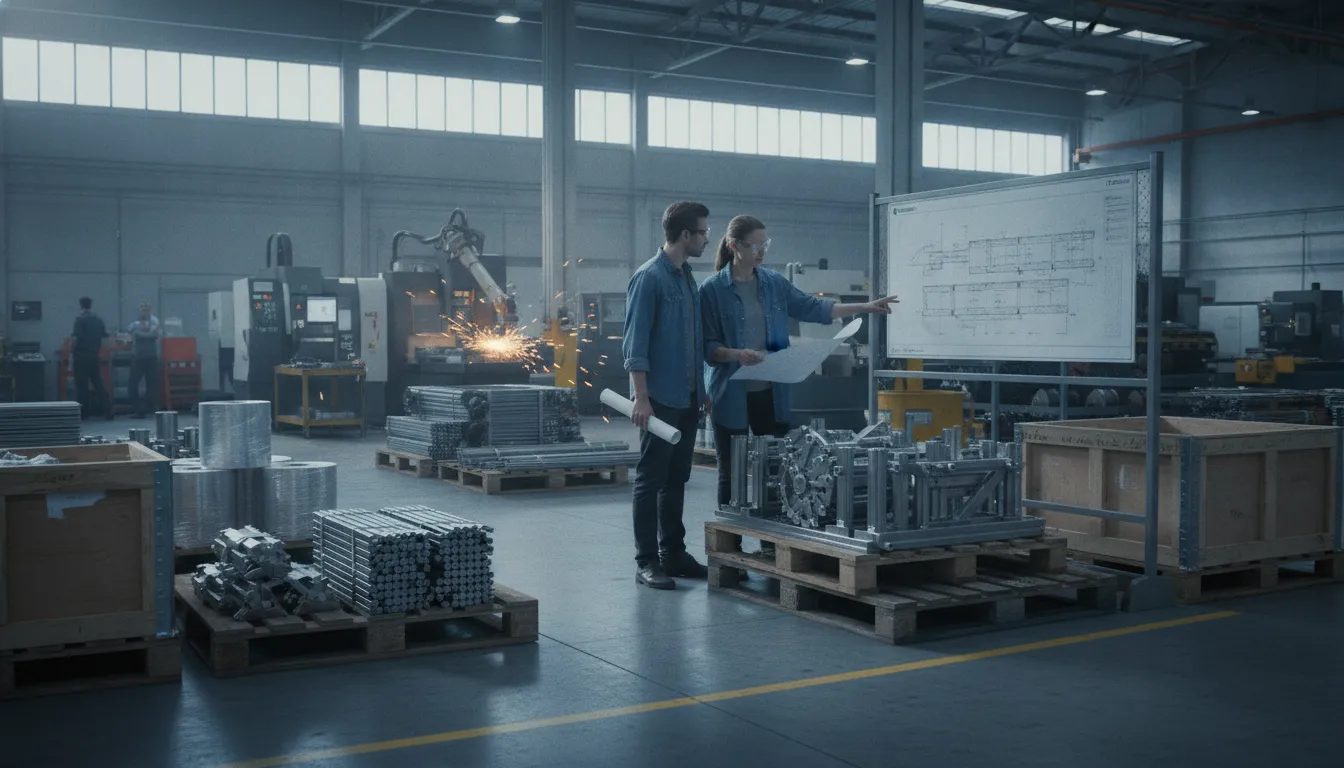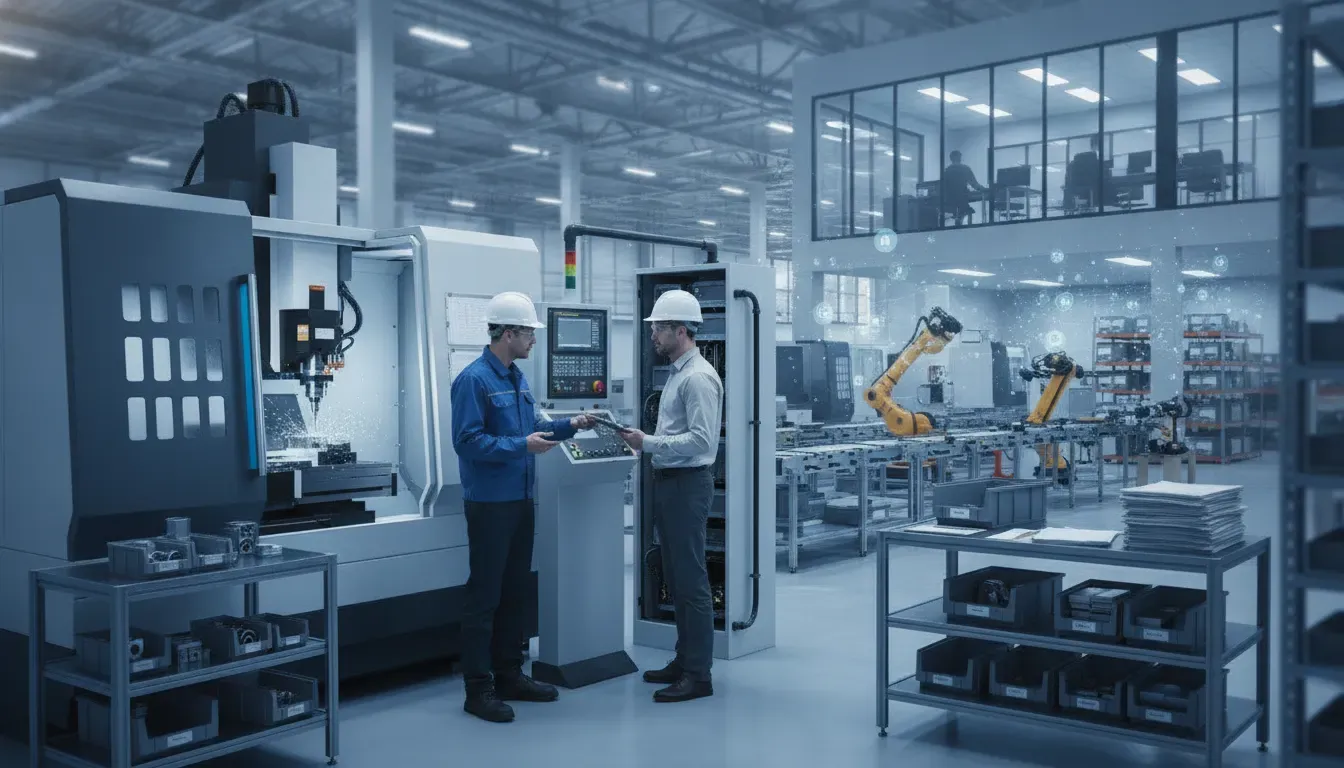
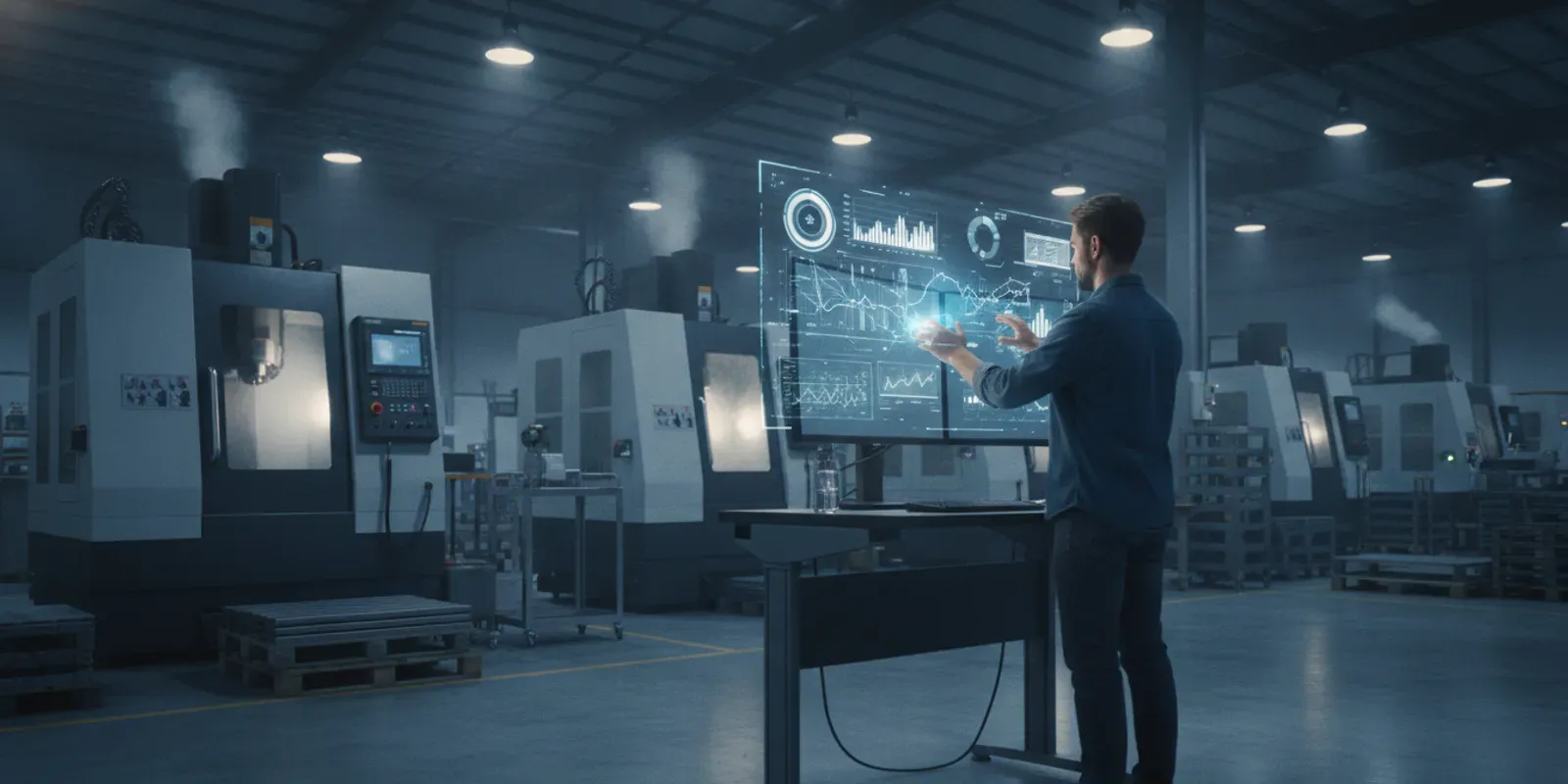
Unexpected downtime, missed deadlines, and recurring quality issues can feel like a constant battle on the shop floor. You know there’s a problem, but pinpointing the exact cause can be frustrating. The solution isn’t working harder; it’s working smarter with better information. A robust manufacturing data collection system is your best problem-solving tool. It helps you dig into the “why” behind your biggest challenges by providing clear, unbiased facts directly from your operations. This guide will show you how to use data to identify the root cause of production delays, spot hidden inefficiencies, and make targeted improvements that have a lasting impact on your performance.
Key Takeaways
- Replace guesswork with facts: Use real-time data to get a clear, accurate picture of your shop floor. This visibility allows you to make informed decisions that solve production bottlenecks, reduce waste, and improve overall efficiency.
- Focus on what matters most: Prioritize collecting automated, accurate data on key metrics like production output, machine health, and quality control. Integrating this information with your ERP provides a complete and reliable view of your entire business.
- Implement with a clear plan: Start with a focused pilot program to demonstrate value. Prioritize team training to ensure everyone is on board, and select user-friendly software that can scale as your business grows.
What Is Manufacturing Data Collection?
At its core, manufacturing data collection is the process of gathering real-time information directly from your shop floor. Think of it as giving your factory a voice. Instead of relying on manual logs, spreadsheets, or end-of-shift reports that are often incomplete or late, you’re capturing what’s happening as it happens. This includes everything from machine status and cycle times to operator input, part counts, and quality control checks. The goal isn’t just to collect numbers; it’s to transform that raw information into clear, useful insights that everyone from the floor to the front office can understand and act on.
Effective shop floor data collection systems use a mix of tools like sensors, scanners, and direct machine connections to automatically and accurately pull this information. This continuous flow of data gives you a live, accurate picture of your entire operation. You can see which jobs are running on schedule, where bottlenecks are forming, and how productive each machine is at any given moment. It’s about replacing assumptions and guesswork with hard facts so you can make smarter, faster decisions that directly impact your bottom line and help you deliver for your customers.
Why Accurate Data Is a Game-Changer
Accurate data is the difference between guessing and knowing. When you have reliable information streaming from your shop floor, you can move away from making decisions based on gut feelings and start using hard evidence. This shift is transformative. With precise data analytics, you can pinpoint the exact cause of production delays, identify underperforming machines, and see where waste is happening in your processes.
This clarity allows you to take targeted action. You can optimize workflows to improve efficiency, catch quality issues before they lead to costly rework, and schedule labor more effectively. Ultimately, having accurate data empowers your team to solve problems proactively, ensuring you deliver quality products on time and within budget. It’s the foundation for continuous improvement and sustainable growth.
The Role of Data on the Modern Shop Floor
On the modern shop floor, data is the central nervous system. It connects every machine, process, and person, creating a single, unified view of your operations. This is a huge leap from the days of clipboards and manual entry. Today’s automated systems gather information from diverse sources and integrate it seamlessly, providing a complete operational picture. This is a core principle of Industry 4.0, where smart factories use data to become more efficient and responsive.
Without this integrated data, many manufacturers are essentially running blind. They make critical decisions with incomplete or outdated information, which can lead to inefficiencies and missed opportunities. By embracing modern data collection, you create a “knowledge bank” for your facility, enabling smarter scheduling, predictive maintenance, and a more agile response to production challenges.
What Data Should You Collect in Manufacturing?
When you start collecting data on your shop floor, it’s easy to get overwhelmed. The sheer volume of information available can feel like trying to drink from a firehose. The secret isn’t to capture everything, but to focus on the metrics that truly matter. The right data tells a story about your operations, highlighting what’s working well and where you have opportunities to improve. By zeroing in on a few key areas, you can turn raw numbers into clear, actionable insights that drive real change.
Think of your data collection strategy as a roadmap. It should guide you toward greater efficiency, better quality, and more reliable production. The most effective manufacturers track metrics across five core areas: production operations, machine health, quality control, labor productivity, and inventory flow. Each category provides a different piece of the puzzle, and when you put them all together, you get a complete picture of your facility’s performance. This comprehensive view is what allows you to make informed decisions, streamline processes, and ultimately, deliver for your customers. With the right data analytics, you can move from guessing to knowing.
Production and Operational Metrics
At its core, production data tells you what’s happening on the shop floor right now. This includes tracking machine status (on, off, idle), uptime versus downtime, and the number of units produced. It also involves noting who is working on which job and, crucially, the reasons for any downtime. Is a machine stopped for a changeover, a lack of materials, or an unexpected repair?
Knowing the answers to these questions is fundamental to improving your efficiency. This information helps you spot bottlenecks, understand the true capacity of your machines, and refine your production scheduling to minimize delays. By consistently tracking these operational metrics, you can establish a performance baseline and set realistic goals for improvement.
Machine Performance and Health
Your machines are the heart of your operation, and their health is critical to your success. Collecting data on equipment performance helps you shift from a reactive maintenance approach to a proactive one. This means tracking how long machines run, when they require maintenance, how much energy they consume, and the wear rate of critical parts. This information allows you to anticipate potential failures before they happen, preventing costly, unplanned downtime.
Effective machine monitoring not only keeps production on track but also extends the life of your equipment. By scheduling maintenance based on actual usage and performance data rather than a fixed calendar, you can reduce repair costs and ensure your machines are always running at their best.
Quality Control and Defect Tracking
Maintaining high product quality is non-negotiable. Data collection is your best tool for ensuring every part that leaves your facility meets specifications. This involves tracking the number of defective products, recording precise measurements, and verifying compliance with material standards. It also includes logging the results from quality checks, like temperature or pressure tests.
This detailed information helps you identify trends in defects, pinpointing whether an issue stems from a specific machine, operator, or batch of raw materials. By implementing robust shop floor data collection for quality, you can catch problems early, reduce scrap and rework, and protect your company’s reputation for excellence.
Labor and Workforce Productivity
Understanding how your team spends their time is essential for optimizing your operations. Labor data typically includes clock-in and clock-out times, job transactions, and the duration of specific tasks. This isn’t about micromanaging your employees; it’s about gaining insight into your workflow and making sure you have the right people on the right jobs at the right time.
By analyzing this data, you can identify opportunities for training, streamline complex tasks, and balance workloads more effectively. It helps you understand your true labor costs for each job and ensures your team can work as efficiently as possible. When your workforce is aligned and productive, your entire operation runs more smoothly.
Inventory and Material Flow
A smooth production flow depends on having the right materials available exactly when you need them. Supply chain data gives you visibility into your entire inventory ecosystem. This includes tracking current raw material levels, monitoring production output, understanding lead times for parts, and evaluating supplier delivery performance. Without this information, you risk production delays due to stockouts or tying up capital in excess inventory.
Managing this data effectively is key to lean manufacturing principles. It allows you to minimize waste, reduce carrying costs, and ensure a seamless transition from raw materials to finished goods. A clear view of your material flow helps you build a more resilient and efficient supply chain, which is a significant competitive advantage.
How Is Manufacturing Data Collected?
Gathering data from your shop floor isn’t a one-size-fits-all process. The methods can range from a simple clipboard to a network of sophisticated sensors, and the right approach for your facility depends on your goals, budget, and existing infrastructure. At its core, data collection is about capturing the essential information that tells the story of your production process, from machine uptime to operator performance.
The goal is to move from guessing to knowing. Instead of relying on assumptions about how long a job should take or why a machine is underperforming, you can use hard data to make informed decisions. Modern systems are designed to make this process seamless, pulling information from various sources and presenting it in a way that’s easy to understand. This visibility allows you to spot bottlenecks, track progress against schedules, and identify opportunities for improvement in real time.
Manual vs. Automated Data Collection
The two main approaches to gathering shop floor data are manual and automated. Manual collection is just what it sounds like: operators enter information by hand, often using a terminal or tablet. This method is straightforward to set up but can be time-consuming and prone to human error. Delays in data entry also mean you’re always looking at past performance, not what’s happening right now.
Automated shop floor data collection pulls information directly from your machines. This method provides accurate, real-time data without adding tasks to your operators’ plates. By connecting directly to your equipment, you can capture cycle times, downtime, and part counts automatically. This creates a reliable stream of information that software can then organize and analyze for you.
Using IoT Sensors and Smart Devices
Modern factories lean on advanced tools to automate data collection. This is where the Internet of Things (IoT) comes in. IoT sensors are small devices that can be attached to almost any piece of equipment, new or old, to monitor things like temperature, vibration, and output. They are a cornerstone of Industry 4.0, turning traditional machinery into smart, data-producing assets.
This data is then processed by systems like a Manufacturing Execution System (MES) or sent to cloud-based platforms for analysis. This technology allows you to get incredibly detailed insights into machine health and performance, helping you predict maintenance needs and understand the true capacity of your shop floor.
Integrating with Your ERP System
Collecting data is only half the battle; you need to connect it to your other business systems to get the full picture. Your Enterprise Resource Planning (ERP) system is the brain of your business, managing everything from accounting and inventory to customer orders. When your shop floor data doesn’t communicate with your ERP, you create information silos that prevent you from seeing how production impacts your bottom line.
Integrating your data collection system with your ERP ensures that information flows freely between the shop floor and the front office. This connection powers more accurate job costing, smarter inventory management, and better overall business intelligence. Powerful data analytics tools can then use this combined information to give you a complete and accurate view of your entire operation.
What Are the Benefits of a Data Collection System?
Implementing a robust data collection system is about more than just gathering numbers; it’s about transforming your entire operation. When you move from guesswork to data-driven insights, you gain the clarity needed to make smarter, faster decisions that directly impact your bottom line. This shift allows you to see exactly what’s happening on your shop floor, identify hidden opportunities, and solve problems before they escalate. The right system turns raw data into a powerful tool for continuous improvement, giving you a significant competitive edge.
Improve Efficiency and Reduce Waste
A solid data collection system gives you a clear, real-time view of your entire production process. This visibility helps you pinpoint bottlenecks, identify the root causes of downtime, and see where materials or time are being wasted. Instead of waiting for end-of-shift reports, you can make immediate adjustments to keep jobs on track and running smoothly. By understanding exactly how your resources are being used, you can optimize workflows and make your factory more efficient. Effective production scheduling becomes proactive rather than reactive, helping you cut down on waste and deliver more jobs on time.
Strengthen Quality Control and Compliance
Consistent product quality is non-negotiable. Data collection allows you to monitor critical process parameters at every stage of production, helping you catch deviations before they result in defects. This proactive approach significantly reduces scrap, rework, and customer complaints, protecting both your profits and your reputation. Furthermore, a detailed data trail provides the documentation needed for quality audits and industry compliance. With comprehensive data analytics, you can analyze trends, refine your processes, and ensure every product that leaves your facility meets the highest standards.
Predict Maintenance Needs Before They Happen
Unexpected machine failures can bring your entire operation to a halt, leading to costly delays and frustrated customers. A data collection system helps you shift from reactive repairs to predictive maintenance. By tracking metrics like cycle times, temperature, and vibration, you can anticipate machine failures before they occur. This allows you to schedule maintenance during planned downtime, minimizing disruptions and extending the life of your equipment. With real-time machine monitoring, you can keep your assets running in peak condition and avoid the chaos of emergency shutdowns.
Gain Real-Time Visibility for Better Decisions
Ultimately, the greatest benefit of a data collection system is the ability to make quick, informed decisions based on what’s happening right now. When managers have access to live dashboards and accurate reports, they can confidently address production issues, reallocate resources, and keep the team aligned. This real-time visibility connects the shop floor to the top floor, ensuring everyone is working with the same information. Effective shop floor data collection empowers your team to find areas for improvement and adapt quickly to changing demands, keeping you agile and competitive.
What Technology Powers Modern Data Collection?
Gone are the days of relying solely on clipboards and manual spreadsheets. Today’s manufacturing data collection is driven by a powerful suite of interconnected technologies. Think of these tools as the central nervous system of your shop floor, gathering information from every corner of your operation and turning it into a clear, actionable picture. This technological foundation is what separates a reactive factory from a proactive one, giving you the ability to see what’s happening in real time and make smarter decisions on the fly. By understanding the key players in this tech stack, you can start to build a more connected and efficient production environment.
Cloud Platforms and Edge Computing
Cloud computing gives you a centralized, accessible place to store and process the massive amounts of data your shop floor generates. Instead of being locked away on a single server in your facility, your data is available anytime, anywhere, making it easier to analyze trends and manage operations across multiple locations. Edge computing works hand-in-hand with the cloud. It involves processing data right at the source, like on the machine itself, before sending it to the cloud. This reduces delays and allows for instant adjustments on the floor, which is critical for real-time quality control and performance monitoring. Together, these technologies provide both the immediate responsiveness and the long-term data analytics needed to stay competitive.
Manufacturing Execution Systems (MES)
A Manufacturing Execution System, or MES, is the digital hub that connects your production plan to your shop floor reality. It acts as the command center, taking data from machines, operators, and your ERP system to provide a complete, real-time view of your manufacturing process. When an operator logs a job or a machine reports its status, that information flows directly into the MES. This system is crucial for translating raw data into meaningful context. It helps you track job progress, manage resources, and enforce quality standards from start to finish. An effective MES ensures that your production scheduling is not just a plan, but a living document that adapts to what’s actually happening on the floor.
Mobile Data Collection Tools
Putting technology directly into the hands of your team is one of the fastest ways to improve data accuracy. Mobile tools like tablets and ruggedized smartphones replace paper forms and manual entry, allowing operators to input information right at their workstations. This could involve scanning a barcode to start a job, logging a quality check with a few taps, or recording downtime without leaving the machine. Using mobile devices for shop floor data collection drastically reduces the risk of human error and eliminates the lag time that comes with transcribing paper records. It makes the process faster, simpler, and more intuitive for your team, which means the data you collect is more likely to be timely and accurate.
Integrating with Industry 4.0
When you bring cloud platforms, an MES, and mobile tools together, you lay the groundwork for Industry 4.0. This is the concept of a “smart factory,” where machines, systems, and people are all connected and communicating seamlessly. Strong connectivity and comprehensive data collection are the pillars of this approach. This integration allows you to move beyond simply monitoring your operations to actively optimizing them. With all your systems talking to each other, you can use advanced capabilities like predictive maintenance, where you can fix a machine before it breaks, or automated workflows that adjust to changing production demands. It’s about creating a manufacturing environment that is not only efficient but also incredibly agile and responsive.
Common Challenges in Data Collection (and How to Solve Them)
Switching to a data-driven approach is a smart move, but it’s not always a straight path. You’re likely to run into a few common roadblocks along the way. The good news is that with a little planning, you can clear these hurdles easily. Let’s walk through the most frequent challenges and how to handle them so you can get the most out of your data.
System Integration and Compatibility
One of the biggest headaches is getting your new data collection tools to communicate with your existing systems. If your ERP, MES, and machines aren’t on speaking terms, you end up with isolated data pools. This forces you to make critical decisions with an incomplete picture of what’s happening on the floor. The solution is to choose a system designed for connectivity. Look for software that integrates smoothly with your current setup, especially your ERP. A truly connected system acts as a central hub, ensuring you’re working with a single, reliable source of information that reflects the principles of Industry 4.0.
Ensuring Data Accuracy and Quality
The phrase “garbage in, garbage out” is a classic for a reason. If the data you collect is inaccurate, any insights you draw from it will be flawed. Errors can come from anywhere: poorly calibrated sensors, environmental interference, or simple human mistakes during manual entry. To solve this, you need to prioritize data integrity from day one. Make sure your sensors are installed correctly and checked regularly. If you rely on manual input, create clear, simple procedures for your team. A robust shop floor data collection process is your first line of defense against bad data.
Getting Your Team On Board
New technology can be met with skepticism, especially if your team feels like they’re being monitored. It’s natural for people to worry that data collection is about tracking their every move instead of improving the process. The key to overcoming this is open communication. Explain that the goal is to make everyone’s job easier, not to play “big brother.” Show them how accurate data can reduce rework, prevent stressful machine breakdowns, and eliminate blame games. When your team sees the system as a tool that helps them succeed, they’ll be much more likely to embrace it. Reading through a few case studies can also show them how other teams have benefited.
Cybersecurity and Data Protection
Your production data is one of your most valuable assets, and it needs to be protected. With the rise of connected devices, cybersecurity is more important than ever. A data breach could expose sensitive operational details or disrupt your entire production schedule. Don’t wait until after implementation to think about security. Bring your IT team into the conversation early and thoroughly vet any software provider you’re considering. Ask them direct questions about how they store and encrypt your data, what their security certifications are, and what happens to your information if you ever part ways. You need a partner you can trust, so understanding why JobPack prioritizes security is a great place to start.
How to Overcome Implementation Hurdles
Adopting a new data collection system is a big step, but it doesn’t have to be a massive headache. The key is to approach it with a clear, strategic plan. By breaking the implementation process into manageable phases, you can build momentum, get your team on board, and start seeing results without disrupting your entire operation. Here’s how to handle the most common hurdles one step at a time.
Start Small with a Pilot Program
Instead of trying to overhaul your entire shop floor at once, begin with a focused pilot program. Pick one area to start, like a single production line with an enthusiastic team or a known bottleneck that’s been causing you trouble. This approach lets you test the system in a controlled environment, work out any kinks, and demonstrate value quickly. A successful pilot creates a powerful case study for the rest of the company and builds the confidence you need to scale up your production scheduling improvements.
Prioritize Data Quality from Day One
Your insights are only as good as the information you collect, so make accuracy a top priority from the very beginning. Before you go live, double-check that your sensors are installed correctly and that your network connection is stable. Simple things like product pile-ups or poor environmental conditions can lead to faulty readings, which undermines the entire system. Trustworthy data is the foundation of smart decision-making, so taking the time to get your shop floor data collection right is an investment that pays off immediately.
Train Your Team for a Smooth Transition
New technology can make team members nervous, which is why clear communication is essential. Frame the data collection system as a tool to improve processes, not to micromanage people. Explain how it will make their jobs easier by eliminating guesswork, reducing stressful fire-drills, and providing clear goals. When your team understands the “why” behind the change and sees how it directly benefits them, they’re far more likely to embrace it. This shift helps create a culture of continuous improvement where everyone feels empowered by the data.
Use a Phased Implementation Approach
A successful rollout happens in stages, not all at once. After your pilot program proves successful, plan a phased implementation across other departments or production lines. This strategy gives you time to properly integrate the new system with your existing software, especially your ERP. A great data collection system should share information seamlessly, allowing you to manage work plans and other critical data without friction. This methodical approach ensures that your data analytics capabilities grow stronger with each new phase, creating a fully connected and efficient operation.
What to Look For in Data Collection Software
Choosing the right data collection software is a critical decision, one that goes far beyond simply gathering numbers. Think of it as selecting a long-term partner for your production goals. While the market is crowded with options, the best systems share a few key characteristics that truly set them apart. When you’re evaluating different platforms, your focus should be on finding a solution that not only collects data accurately but also makes it accessible, understandable, and actionable for your entire team. A powerful system should feel like a natural extension of your shop floor, simplifying complex processes instead of adding another layer of complication.
It’s the difference between having a pile of raw, confusing information and having clear, immediate insights that drive better performance every single day. The ultimate goal is to empower your people, from the machine operator to the plant manager, with the information they need to do their best work. This kind of software acts as the central nervous system for your manufacturing operations, connecting every part of the process and providing the instant feedback necessary for continuous improvement. Before you commit to a system, it’s essential to ensure it checks the right boxes for your unique needs. Getting this choice right from the start means setting your shop floor up for sustained efficiency, reduced waste, and scalable growth for years to come. Here are the essential features to look for.
Real-Time Monitoring and Analytics
The ability to see what’s happening on your shop floor right now is non-negotiable. Effective software provides a clear, real-time view of every machine and process, eliminating guesswork. This immediate feedback loop allows your team to spot bottlenecks, address downtime instantly, and make proactive adjustments before small issues become major delays. Look for systems with intuitive dashboards that translate raw data into clear visuals. With powerful data analytics, you can move from simply collecting information to using it for strategic decision-making that improves your bottom line.
Seamless ERP Integration
Your data collection software shouldn’t operate in a silo. To get the most value, it must integrate smoothly with your existing Enterprise Resource Planning (ERP) system. This connection ensures that data flows freely between your shop floor and your core business operations, from inventory management to financial reporting. When all your systems are connected, you create a single source of truth for the entire organization. This unified view is critical for accurate job costing, realistic scheduling, and a complete understanding of your operational health. True shop floor data collection becomes the foundation for smarter business intelligence.
A User-Friendly, Mobile-Ready Interface
The most advanced software is useless if your team finds it difficult to use. The interface should be clean, intuitive, and designed for the people on the shop floor, not just the IT department. Prioritize systems that support mobile devices, allowing for paperless data entry through tablets or scanners right at the workstation. This reduces errors, saves time, and encourages consistent use. A user-friendly design means less training time and higher adoption rates, which leads to more accurate and complete data from day one. Your team will appreciate a tool that makes their job easier, not harder.
Scalability to Grow with Your Business
The software you choose today should be able to support your company’s growth tomorrow. A scalable solution can adapt as you add more machines, expand your facility, or take on more complex jobs. It should handle an increasing volume of data without slowing down or requiring a complete overhaul. This forward-thinking approach ensures your investment continues to pay off for years to come. As your operations evolve, your software should enable dynamic adjustments to your production scheduling and resource allocation, helping you maintain efficiency as you scale.
How to Get Started with Manufacturing Data Collection
Jumping into data collection can feel like a huge undertaking, but it doesn’t have to be. The key is to start with a clear, focused plan. By breaking the process down into manageable steps, you can build a system that delivers real value without overwhelming your team or your budget. Think of it as building a foundation one brick at a time. Here’s how you can get started on the right foot.
Assess Your Current Data Needs
Before you install a single sensor, take a step back and identify what you truly need to measure. Instead of trying to track everything at once, start small. You could pick one production line with a motivated team that’s open to change, or focus on a known problem area, like a persistent bottleneck. Another great starting point is monitoring the end of your production line to get a solid overview of output. This focused approach helps you prove the concept and gain early wins. Define your goals clearly: are you trying to reduce downtime, improve quality, or understand utility usage? Answering this question will guide your entire strategy for shop floor data collection.
Plan Your Implementation Strategy
Once you know what you want to track, you can decide how to track it. For very small production runs, a manual system might suffice initially. But for high-speed factories or 24/7 operations, automated systems are essential for accuracy and efficiency. A successful implementation requires more than just software. You’ll need the right physical devices, like sensors and screens, a robust network with reliable uptime, and a secure place to store your data. Planning for these infrastructure needs upfront will prevent headaches later. The right machine monitoring tools can make this process much smoother by integrating directly with your existing equipment and providing a clear path for data flow.
Measure Your Success and ROI
How will you know if your efforts are paying off? Define your key performance indicators (KPIs) from the start. The benefits often appear quickly. Within weeks, you’ll gain incredible visibility, allowing everyone to see what’s happening on the factory floor in real time. This empowers managers to make better decisions based on current information, not guesswork. In the long term, you’ll see even bigger returns: less machine downtime, faster changeovers, and improved product quality. By tracking these improvements, you can clearly demonstrate the return on investment and build momentum for expanding your data collection efforts. The insights from powerful data analytics will become an indispensable part of your operational strategy.
Related Articles
- manufacturing data analysis Archives – JobPack
- data collection Archives – JobPack
- Shop Floor Data Collection – Manufacturing Data Analytics – JobPack
- manufacturing Archives – JobPack
- Data Analytics – Production Scheduling Software – JobPack
Frequently Asked Questions
How do I get my team on board with a new data collection system? The key is to frame it as a tool that helps everyone, not a system that watches them. Explain that the goal is to understand the process, not to micromanage people. Show your team how real-time data can eliminate guesswork, reduce frustrating rework, and provide clear goals. When they see it as a way to make their jobs less stressful and more successful, they’ll be much more likely to embrace the change.
Do I need to buy all new equipment to start collecting data? Not at all. This is a common misconception that holds a lot of shops back. Modern data collection systems are designed to be flexible. You can use IoT sensors and other devices to connect to your existing machinery, even older equipment, and pull valuable performance data. This allows you to get the benefits of a smart factory without a massive capital investment in new machines.
What’s the most important thing to focus on when we’re just starting out? Instead of trying to monitor everything at once, start with a small, focused pilot program. Choose one specific area where you want to see improvement, like a known bottleneck or a single production line. This allows you to learn the system, demonstrate its value quickly, and build momentum. Proving the concept on a small scale makes it much easier to get support for a wider rollout.
How quickly can we expect to see a return on our investment? You’ll likely see some benefits almost immediately. The real-time visibility you gain within the first few weeks is a game-changer, allowing you to make faster, more informed decisions on the floor. The more significant financial returns, like reduced machine downtime and lower scrap rates, typically follow as you use that data to refine your processes over the next few months.
Our current system uses a lot of manual entry. What’s the real benefit of automating this? Automating data collection replaces delayed, potentially inaccurate information with a live, truthful picture of your operations. Manual entry is always a step behind and prone to human error. Automation captures data directly from the source as it happens, giving you reliable insights you can act on immediately. This frees your team from tedious paperwork and allows them to focus on what they do best: making quality products.