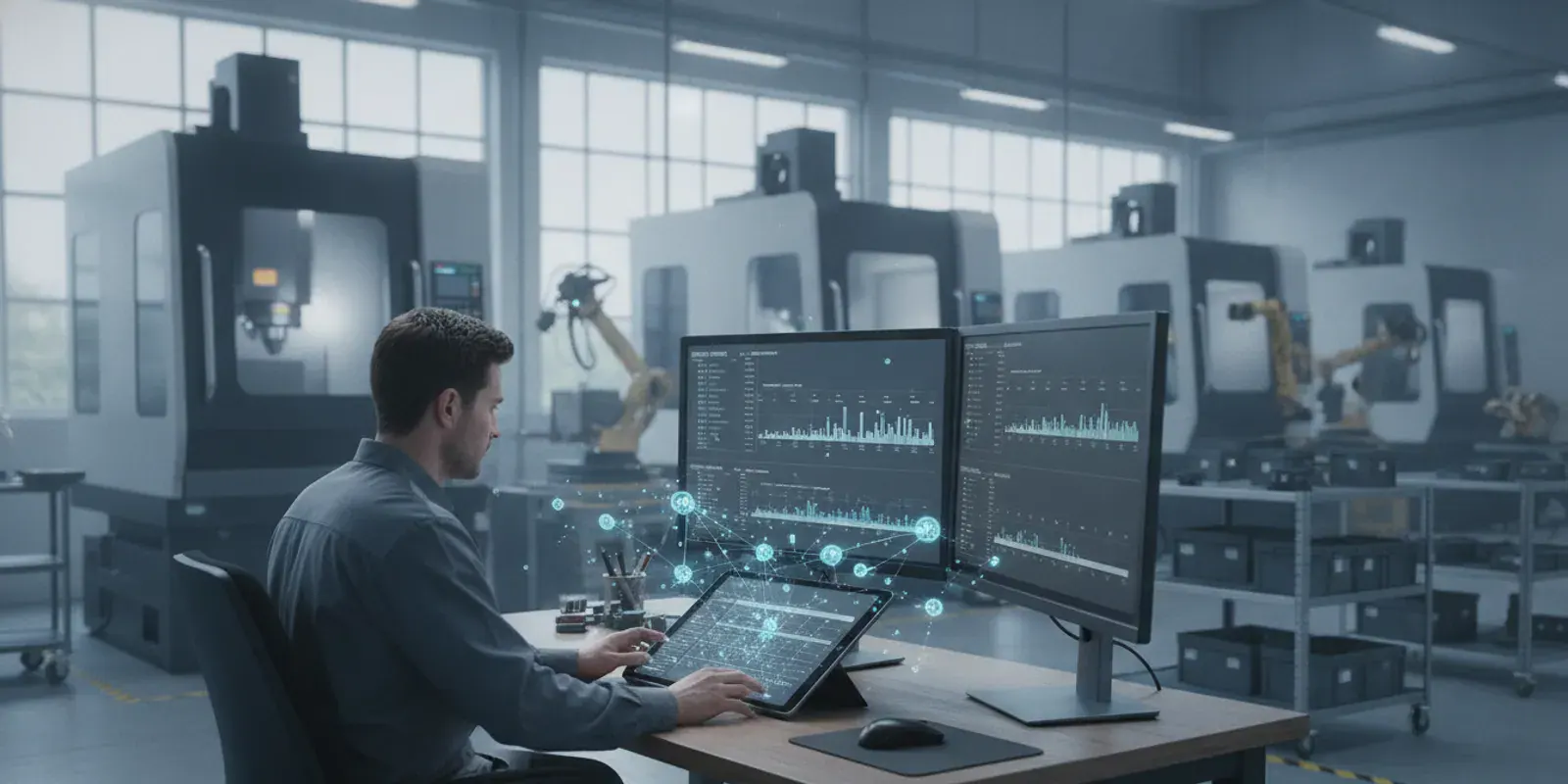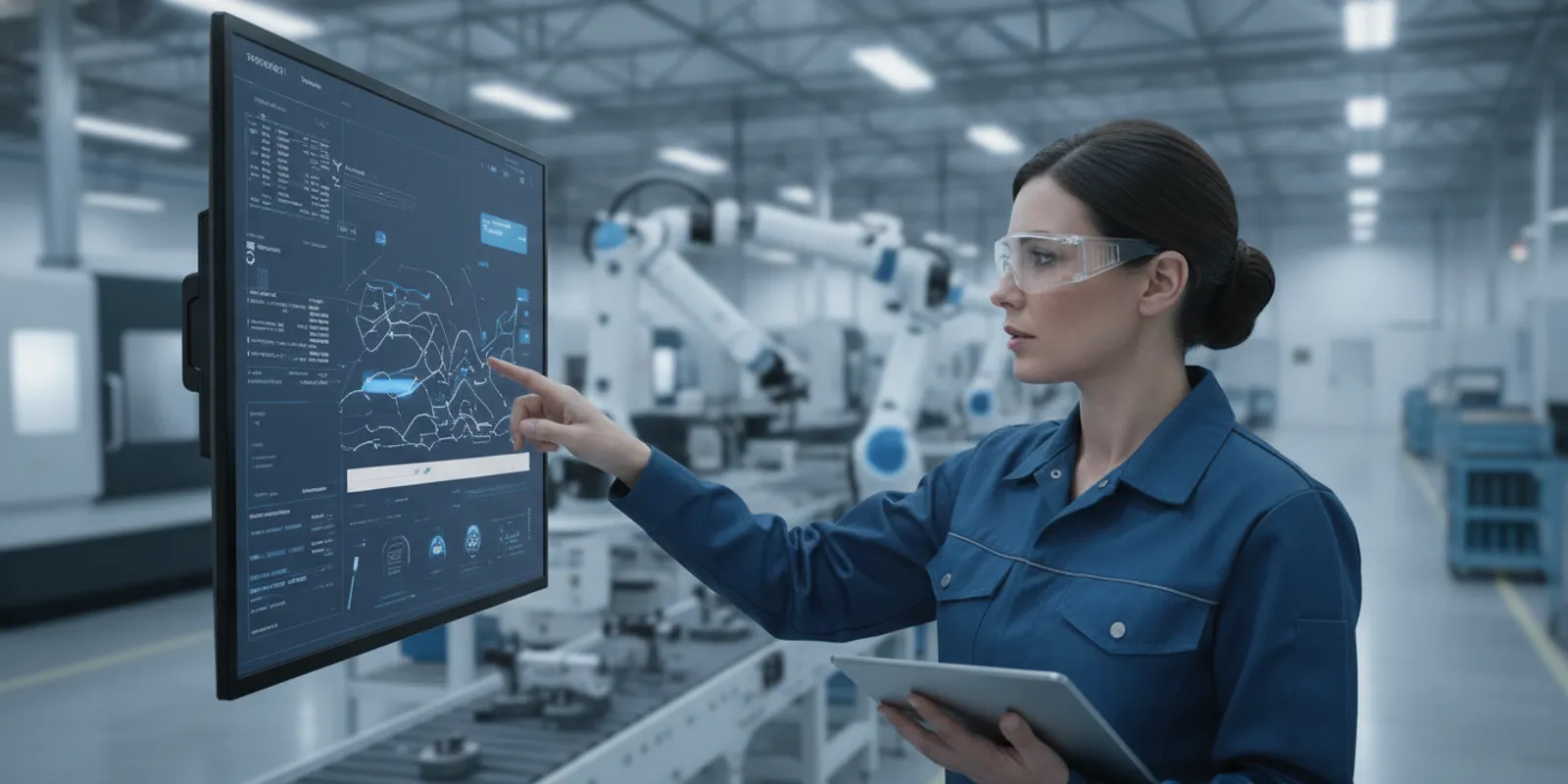
Running a manufacturing floor can often feel like you’re trying to conduct an orchestra where every musician is playing from a different sheet of music. You have a production plan, but what’s actually happening at each work center is a bit of a mystery until the end of the shift. This gap between the plan and reality is where delays, waste, and frustration build up. This is precisely the problem that shop floor control (SFC) is designed to solve. It’s the system that gets everyone on the same page, providing a real-time, accurate view of every job, machine, and operator. It replaces guesswork with certainty, allowing you to see and solve problems as they happen, not after they’ve already impacted your bottom line.
Key Takeaways
- Get a clear, real-time view of your operations: A shop floor control system replaces guesswork with live data, empowering you to spot bottlenecks, manage resources effectively, and solve problems before they disrupt your schedule.
- Use data to drive meaningful improvements: Focus on tracking key metrics like OEE, cycle times, and defect rates. This turns raw numbers into actionable insights you can use to reduce waste, control costs, and make your processes more efficient.
- Choose a system that grows with your business: The right software is a long-term investment. Look for a solution with a user-friendly interface your team will embrace, seamless integration with your ERP, and the scalability to support your shop’s future success.
What Is Shop Floor Control?
Think of shop floor control (SFC) as the central nervous system of your manufacturing operations. It’s the combination of software and processes you use to monitor, manage, and direct work on the factory floor. The main goal is to make sure every production order moves through the process smoothly, hitting deadlines and staying within budget. It’s about having a clear, real-time view of what’s happening so you can execute your production plan perfectly.
Without a solid control system, you’re often left guessing. You might not know if a critical job is behind schedule until it’s too late, or why a particular machine is constantly underperforming. Shop floor control replaces that uncertainty with data. It connects your high-level plans with the people and machines doing the work, ensuring everyone has the information they need to be efficient and productive. It’s the key to transforming your operations from reactive fire-fighting to proactive, data-driven management.
The Core Components of a Control System
A good shop floor control system is built on a few key pillars that work together. First is production scheduling and dispatching, which involves creating a detailed plan for what gets made, when, and on which machine. Next comes real-time tracking, which gives you live updates on the status of every job. You can see exactly where an order is, how much progress has been made, and if any bottlenecks are forming. Resource management is another critical piece, helping you allocate labor and machine time effectively to meet demand. Finally, performance reporting gathers all this data to show you how well you’re doing and where you can improve.
How It Fits into Your Daily Operations
On a practical level, shop floor control delivers the right information to the right people at exactly the right time. For an operator, it might mean getting clear instructions and priorities on a terminal at their workstation. For a manager, it means having a dashboard that shows production progress against goals, allowing them to spot potential issues before they become major problems. This system of shop floor data collection bridges the gap between the plan and the reality of production. It ensures the physical work happening on the floor is perfectly aligned with your company’s broader strategy, helping you deliver quality products on time, every time.
Why Is Shop Floor Control So Important?
Think of shop floor control as the central nervous system of your manufacturing operations. It’s the system that connects your plans to what’s actually happening on the floor, moment by moment. Without it, you’re often left guessing, reacting to problems after they’ve already caused delays, and relying on outdated information to make critical decisions. Implementing a strong shop floor control system is about shifting from a reactive state to a proactive one, where you have the clarity and control needed to guide your production processes effectively.
This control touches every part of your business. It provides the real-time visibility you need to make smarter, faster decisions that keep production on track. It also builds quality checks directly into your workflow, ensuring you catch issues early and maintain high standards without sacrificing speed. Ultimately, it all comes down to efficiency—using your resources, from machines to materials to your team’s time, in the most effective way possible. By tracking orders, managing resources, and monitoring data in real time, you can finally get a true handle on your operations and see exactly why JobPack is a game-changer for so many manufacturers. It’s the difference between running your shop based on what you think is happening and what you know is happening.
Gain Real-Time Visibility to Make Better Decisions
Effective shop floor control pulls back the curtain on your production processes. Instead of waiting for end-of-shift reports, you get a live view of everything happening on the factory floor. This means you can track production orders as they move from one stage to the next, see your work-in-progress (WIP) at a glance, and understand how your team and machines are being utilized in real time. This level of insight is crucial for making informed decisions on the fly. When you have accurate, up-to-the-minute information from real-time machine monitoring, you can spot potential delays before they become major problems, reallocate resources to prevent bottlenecks, and give customers accurate updates on their orders with confidence.
Improve Quality Control and Maintain Compliance
Maintaining high quality is just as important as meeting deadlines. A shop floor control system helps you build quality assurance directly into your production workflow. By integrating quality checks at key points in the process, you can identify and address mistakes as they happen, not after a whole batch is finished. This proactive approach dramatically reduces rework, minimizes scrap, and ensures the final product meets your standards every time. This leads to happier customers, lower costs, and a stronger reputation. Plus, having a documented and controlled process makes it much easier to maintain compliance with industry regulations and pass audits without the last-minute scramble.
Optimize Resources and Reduce Waste
Every minute of downtime and every bit of wasted material impacts your bottom line. Shop floor control gives you the tools to use your resources with maximum efficiency. With live data, you can quickly pinpoint and resolve issues like machine slowdowns or process bottlenecks that hold up production. This allows you to create a smoother, faster workflow. It also helps you manage your inventory and materials more effectively, ensuring you have what you need without overstocking. By optimizing your production scheduling, you can make sure every machine and team member is working on the right task at the right time, ultimately producing more with less waste.
Key Features of a Shop Floor Control System
A robust shop floor control system isn’t just one piece of software; it’s a collection of powerful tools working together. It acts as the central nervous system for your production environment, connecting your plans to the real-world activity happening on the floor. When you’re evaluating different systems, you’ll find that the best ones share a few core capabilities. These features are designed to give you the visibility and control needed to run a more efficient, predictable, and profitable operation. From tracking a job’s progress in real-time to analyzing performance data to find areas for improvement, these tools are essential for modern manufacturing. Let’s break down the key features you should look for.
Monitor and Track Production
At its heart, a shop floor control system gives you a live, accurate view of everything happening in your facility. It answers the critical question: “What’s the status of this job right now?” This feature allows you to track production orders from the moment they’re released to the floor until they’re complete. You can see which machines are running, which are down, and how each job is progressing against its schedule. This level of real-time machine monitoring is crucial for identifying bottlenecks before they cause major delays and for giving your team the information they need to keep production flowing smoothly.
Manage Work Orders Efficiently
A great SFC system helps you turn planned orders into a concrete, actionable schedule. It’s about more than just creating a list of jobs; it’s about intelligently sequencing them to make the best use of your available capacity. This feature helps you manage work orders by prioritizing tasks, assigning them to specific work centers or machines, and providing operators with all the necessary instructions and documentation. Effective production scheduling means you can adapt quickly to unexpected changes, like a machine going down or a rush order coming in, without throwing your entire plan into chaos.
Control Inventory and Materials
Nothing stops production faster than running out of a critical material or component. A shop floor control system helps prevent this by providing an accurate, up-to-the-minute picture of your inventory. As materials are consumed during production, the system automatically updates inventory levels. This ensures you know exactly what you have on hand and what you need to order, preventing both costly stockouts and the waste associated with over-ordering. This tight control over materials is also essential for accurate job costing, as it ensures you’re accounting for every component used in a finished product.
Collect and Analyze Shop Floor Data
Beyond just tracking what’s happening, a powerful SFC system collects vast amounts of data and turns it into actionable insights. It automatically captures information on cycle times, setup times, downtime, and scrap rates directly from the shop floor. This raw data is then organized into easy-to-understand reports and dashboards. With strong data analytics, you can spot trends, measure performance against key metrics like OEE, and identify the root causes of production issues. This data-driven approach empowers you to make informed decisions that lead to continuous improvement across your entire operation.
Solve Common Manufacturing Challenges
Every shop floor runs into obstacles, from unexpected machine failures to supply chain surprises. While these challenges are part of the business, they don’t have to dictate your success. The right shop floor control system gives you the tools to anticipate problems, react quickly, and turn potential setbacks into opportunities for improvement. By connecting you directly to the pulse of your operations, it helps you solve some of the most persistent issues in manufacturing.
Reduce Production Downtime
Unplanned downtime is one of the biggest drains on profitability. Whether it’s a machine that breaks down unexpectedly or a delay in receiving materials, every minute a machine isn’t running costs you money. A shop floor control system provides the visibility you need to get ahead of these issues. With real-time machine monitoring, you can track equipment performance and schedule preventative maintenance before a critical failure occurs. If a machine does go down, you can instantly see the impact on your schedule and re-route jobs to minimize the disruption, keeping production flowing and customers happy.
Manage Resource and Skill Gaps
Finding and retaining skilled labor is a major hurdle for many manufacturers. When experienced operators retire, they take decades of knowledge with them, leaving a gap that’s tough to fill. Shop floor control helps bridge this divide by standardizing your processes. Digital work instructions delivered directly to the operator’s screen ensure every job is done correctly and consistently, reducing the learning curve for new hires. By implementing effective shop floor data collection, you can also track performance and identify areas where your team might need additional training, helping you build a more skilled and flexible workforce from within.
Improve Worker Safety
A safe work environment is non-negotiable. Accidents not only harm your team but also lead to costly downtime and potential compliance issues. While shop floor control software isn’t a replacement for safety guards, it plays a key role in creating a safer facility. By monitoring machine conditions, the system can alert you to potential hazards, like a machine running outside of its normal parameters. It also helps you manage schedules to prevent operator fatigue, a leading cause of workplace accidents. Standardizing procedures through the system ensures everyone is following the safest, most efficient process for every task, every time.
Control Costs and Minimize Waste
From scrap material to excess inventory, waste quietly eats away at your bottom line. Gaining control over costs requires a clear view of what’s happening on the floor. A shop floor control system gives you that clarity by tracking materials, cycle times, and quality at every stage of production. This data helps you identify the root causes of scrap so you can fix the process and reduce material waste. With smarter production scheduling, you can optimize machine usage and align production with actual demand, preventing overproduction and cutting down on costly inventory.
A Look at Top Shop Floor Control Software
Choosing the right shop floor control software can feel like a huge task, but it’s a critical step toward a more efficient and predictable operation. The market is full of options, each with its own strengths and ideal use cases. Some systems are built for specific industries, while others offer broad, all-in-one functionality. To help you get started, we’ve put together a brief overview of some of the leading solutions available.
Think of this as a starting point for your research. As you review these options, consider your shop’s unique challenges, your long-term growth plans, and how a new system would integrate with the tools you already use. The best software for your business will be the one that fits your specific needs and empowers your team to do their best work. Let’s look at a few of the top contenders.
JobPack Shop Floor Management
JobPack offers a comprehensive shop floor management solution designed to help manufacturers streamline their entire production process. The system focuses on providing clear, real-time visibility into every corner of your operations. This allows you to track work orders, manage resources, and make data-driven decisions on the fly. What sets JobPack apart is its highly visual and intuitive interface, which makes complex production scheduling simple and accessible for everyone on your team. By connecting directly to your machines and ERP system, it ensures you always have accurate, up-to-the-minute information to keep jobs on time and within budget.
Siemens Opcenter Execution
Siemens is a major name in industrial technology, and their Opcenter Execution is a powerful Manufacturing Execution System (MES). This system is built to manage and optimize factory operations from end to end. It provides complete visibility and control, ensuring that the products you manufacture perfectly match their original design and engineering specifications. Opcenter Execution is a robust solution that excels at integrating the shop floor with the broader product lifecycle management process. It’s a strong choice for manufacturers who need a comprehensive system to manage complex production and maintain tight control over quality and compliance.
Aptean Shop Floor Control MES
Aptean’s Shop Floor Control MES is a great example of a specialized solution. This software is specifically designed for businesses in the apparel, footwear, and sewn products industries. Because it’s built for this niche, it includes features that address the unique challenges of fashion manufacturing, like managing intricate styles, diverse materials, and rapid seasonal changes. The system aims to give factory managers a complete view of their operations, helping them increase productivity and efficiency. If you work in this specific sector, Aptean’s tailored approach could be the perfect fit for your shop’s needs.
Rockwell Automation Solutions
Rockwell Automation takes a different approach, offering a suite of solutions for shop floor control rather than a single, off-the-shelf product. Their strategy focuses on integrating advanced technologies to improve manufacturing efficiency through real-time data and analytics. This makes them a strong option for companies looking for a highly customizable and scalable system. Rockwell’s solutions are designed to connect various pieces of equipment and software, creating a unified digital ecosystem on the shop floor. This is particularly beneficial for manufacturers planning a significant digital transformation initiative and needing a flexible platform to build upon.
How to Choose the Right Shop Floor Control Software
Picking the right shop floor control software feels like a huge decision, because it is. This tool will become the central nervous system of your operations, so it needs to be a perfect fit. The good news is that you can find the right system by focusing on a few key areas. Think beyond the immediate features and consider how the software will integrate with your existing tools, grow with your business, and empower your team. When you’re comparing options, look for a solution that offers seamless ERP integration, scalability for future growth, an intuitive interface your team will actually use, and powerful analytics to turn your data into clear, actionable insights. Let’s walk through what makes each of these components so important.
Seamless ERP Integration
Your shop floor control system can’t operate in a vacuum. For it to be truly effective, it needs to communicate flawlessly with your Enterprise Resource Planning (ERP) system. This connection is what turns raw shop floor data into valuable business intelligence. When your SFC and ERP systems are integrated, information about job progress, material usage, and labor hours flows automatically, eliminating manual data entry and reducing the risk of errors. This creates a single, reliable source of truth across your entire organization, ensuring that everyone from the front office to the shop floor is working with the most current information. A system that provides insight-rich analytics directly to your ERP is essential for streamlined operations and accurate financial reporting.
Scalability for Future Growth
The software you choose today should be able to support your vision for tomorrow. As your business expands—whether you’re adding new machines, taking on more complex jobs, or opening another facility—your shop floor control system needs to grow with you. A scalable solution can adapt to increased demand without a drop in performance. When evaluating software, ask about its ability to handle more users, equipment, and data over time. Look for a flexible platform that allows you to add new features and capabilities as your needs evolve. Choosing a system built for growth ensures you’re making a long-term investment, not just finding a short-term fix.
An Easy-to-Use Interface
The most advanced software in the world won’t do you any good if your team finds it complicated and frustrating. User adoption is everything, which is why an intuitive, easy-to-use interface is non-negotiable. Your operators and supervisors need to be able to see real-time job statuses, log production data, and access critical information with just a few clicks. A visually-driven system with clear dashboards and simple navigation makes shop floor data collection a natural part of the workflow, not a chore. This not only improves data accuracy but also empowers your team to make faster, more informed decisions right from the factory floor.
Powerful Analytics and Reporting
Collecting data is just the first step; the real value comes from understanding what it all means. Your shop floor control software should have robust analytics and reporting tools that transform raw numbers into clear, actionable insights. Look for customizable dashboards that let you track the key performance indicators (KPIs) that matter most to your business, from overall equipment effectiveness (OEE) to on-time delivery rates. Strong data analytics capabilities help you spot trends, identify production bottlenecks, and uncover opportunities for improvement. This is how you move from simply managing your shop floor to truly optimizing it for peak performance and profitability.
Key KPIs to Track with Your System
A shop floor control system is a powerful tool, but it’s only as good as the data you track. Think of Key Performance Indicators (KPIs) as the vital signs for your manufacturing operation. They tell you what’s working, what’s not, and where you can make changes that have a real impact on your bottom line. Instead of guessing, you get clear, objective numbers to guide your decisions.
The right system doesn’t just collect data; it turns that raw information into actionable insights. By focusing on a few essential KPIs, you can get a comprehensive view of your shop’s health, from machine performance to product quality. This allows you to spot trends, anticipate problems, and continuously refine your processes. With powerful data analytics, you can move from being reactive to proactive, ensuring you’re always operating at your peak. Let’s look at the core KPIs every shop should be tracking.
Overall Equipment Effectiveness (OEE)
If you only track one metric, make it Overall Equipment Effectiveness (OEE). It’s the gold standard for measuring manufacturing productivity because it rolls three critical factors into a single score. OEE answers the question: “How close are we to perfect production?” It’s calculated by looking at Availability (Is the machine running when it’s supposed to?), Performance (Is it running as fast as it can?), and Quality (Is it producing good parts?). A perfect score of 100% means you’re only making good parts, as fast as possible, with no stop time. By using machine monitoring to track OEE, you get a complete picture of your efficiency and can quickly identify the root cause of any production losses.
Production Rate and Cycle Time
How fast are you making things, and how long does it take? These are the fundamental questions answered by production rate and cycle time. Production rate measures the number of units you produce within a specific timeframe, while cycle time is the total time it takes to complete one unit from start to finish. Tracking both is essential. You might have a high production rate, but if your cycle times are long, it could signal a bottleneck somewhere in the process. A shop floor control system gives you real-time visibility into these metrics, helping your production scheduling stay on track and ensuring you meet your delivery deadlines without any last-minute scrambles.
Defect Rate and Quality Metrics
Nothing hurts profitability more than scrap and rework. The defect rate—the percentage of products that fail to meet quality standards—is a direct measure of your production quality. A high defect rate not only wastes materials and labor but can also damage your reputation with customers. By implementing robust shop floor data collection, you can track defects as they happen and pinpoint exactly where and when they occur. This allows you to address the root cause, whether it’s a machine calibration issue, a faulty batch of materials, or a process that needs adjustment. Consistently monitoring quality metrics is key to protecting your brand and your bottom line.
Downtime and Inventory Turnover
Downtime is the silent killer of productivity. It’s any time a machine is scheduled to be running but isn’t, whether due to an unplanned breakdown, a lengthy changeover, or a material shortage. On the other hand, inventory turnover measures how efficiently you’re using your capital by tracking how quickly you sell and replace your stock. While they seem different, both KPIs are crucial for operational efficiency. A good shop floor system automatically tracks downtime and its causes, giving you the data to create better maintenance schedules. It also provides the production data needed to manage inventory effectively, so you can reduce carrying costs and free up cash. Many shops have seen huge improvements in these areas, as shown in these case studies.
Common Myths About Shop Floor Control, Debunked
Adopting new technology can feel like a huge leap, and it’s easy to get tripped up by common misconceptions. If you’ve been hesitant to explore shop floor control, it might be because one of these myths sounds familiar. Let’s clear the air and separate the facts from the fiction.
Myth #1: It’s Too Complicated to Implement
Many managers worry that bringing in a new system will mean months of complex integration and endless training sessions. The reality is that modern shop floor control systems are designed to be much more user-friendly. The goal of this technology is to simplify your operations, not complicate them. A good provider will work with you to ensure a smooth rollout that integrates with your existing processes. The best systems are visually intuitive, making it easier for your team to get up to speed quickly and see the benefits right away.
Myth #2: It’s Too Expensive for My Operation
It’s natural to focus on the initial price tag, but that’s only half the story. A common mistake is viewing shop floor control as a cost instead of an investment. Think about the return: When you reduce waste, minimize downtime, and improve on-time delivery, the system starts paying for itself. The efficiency gains and enhanced productivity create a strong return on investment that often outweighs the initial expenditure. You can find real-world case studies that show how shops like yours have turned this investment into significant profit.
Myth #3: My Team Won’t Want to Use It
There’s a fear that employees will resist new technology, seeing it as just another hurdle in their day. However, when a system is implemented correctly, it actually empowers your team. Instead of making their jobs harder, it streamlines workflows and provides the real-time data they need to make smart decisions on the fly. Effective shop floor data collection gives operators more control and clarity, which can lead to greater job satisfaction. When your team sees that the new tool helps them succeed, adoption happens naturally.
Breaking Down Pricing and Implementation
Thinking about the cost and rollout of a new system can feel overwhelming, but it doesn’t have to be. When you break it down, you’re looking at three main areas: the software licensing model, the initial implementation and training, and ongoing support. Understanding these components will help you budget accurately and set realistic expectations for your team. A clear picture of the total investment—both in terms of money and time—is the first step toward a smooth transition. Let’s walk through what you can expect in each of these areas so you can make an informed decision that sets your shop up for success.
Licensing and Subscription Models
Gone are the days of one-size-fits-all software packages. Today, you have more flexible options that can align with your budget and operational needs. Many shop floor control systems now use a subscription-based model, where you pay a recurring fee, often per user or per machine. This approach makes powerful software more accessible by turning a large capital expenditure into a predictable operating expense. Other systems, especially those integrated with a larger ERP, might offer à la carte pricing. This allows you to select specific modules, like production scheduling, that solve your most pressing problems first, ensuring you get the features you need without paying for those you don’t.
What to Expect for Implementation and Training
Getting your new system up and running involves more than just the software license. You should also plan for upfront costs related to hardware, system customization, and integration with your existing tools. The most critical part of this phase, however, is training. A system is only as good as the people who use it, so investing in comprehensive training for your team is essential for getting the most out of your new software. The implementation process is a partnership between you and your software provider. A good partner will guide you through setup and ensure your team feels confident using the new tools from day one. You can often get a feel for this process when you request a demo and see how the system works firsthand.
Factoring in Support and Maintenance
Your relationship with your software provider doesn’t end after implementation. Ongoing support and maintenance are critical for the long-term health of your shop floor control system. These services ensure your software stays up-to-date with the latest features and security patches, and they give you access to technical experts when you need help. When evaluating different systems, be sure to ask about their support packages and what’s included. Factoring these recurring costs into your budget from the start helps you understand the total cost of ownership. Reliable support is an investment in operational stability, ensuring the system continues to deliver value and drive efficiency for years to come, as many successful case studies show.
Shop Floor Control vs. MES: What’s the Difference?
When you start looking into software for your manufacturing operations, you’ll quickly run into two acronyms: SFC (Shop Floor Control) and MES (Manufacturing Execution System). It’s easy to get them mixed up because they both deal with what happens on the factory floor. Think of it this way: Shop Floor Control is like a high-powered, specialized tool designed for a specific set of tasks, while an MES is the entire toolbox, containing a wide range of tools for almost any job.
While they overlap, they serve different primary purposes. An SFC system is laser-focused on the immediate activities of production—tracking jobs, managing work orders, and monitoring machine status in real time. It’s the ground-level commander, ensuring the day-to-day plan is executed efficiently. An MES, on the other hand, takes a much broader view. It covers everything SFC does but also includes higher-level functions like quality management, maintenance scheduling, detailed performance analysis, and even inventory control across the entire plant. Essentially, all MES platforms include SFC functionality, but not all SFC systems are full-blown MES solutions. Understanding this distinction is the first step to figuring out what your facility truly needs.
Key Differences in Functionality
The main difference between SFC and MES comes down to scope. A Shop Floor Control system is dedicated to the direct execution and monitoring of production tasks. Its world revolves around the factory floor. It answers questions like, “What’s the status of this work order?” and “Is this machine running?” It’s all about the immediate tracking and control of production orders.
An MES covers a much wider territory. It’s a comprehensive system designed to manage and monitor work-in-process on a factory floor, connecting real-time plant information with other business systems. Beyond the core functions of SFC, an MES often includes modules for quality assurance, machine maintenance, and in-depth data analytics. It doesn’t just track what’s happening; it helps manage the processes that ensure production is high-quality, compliant, and efficient from end to end.
How to Choose the Right Fit for Your Shop
Deciding between SFC and MES depends entirely on your shop’s specific needs, size, and complexity. If your primary goal is to get a clear, real-time view of production, track work orders accurately, and monitor machine uptime without a lot of extra features, a dedicated SFC system is an excellent choice. It’s often more straightforward and quicker to implement, giving you the core control you need to improve efficiency on the floor.
However, if your operation requires a more holistic solution that integrates quality control, maintenance schedules, and deep performance analysis across the entire plant, an MES is the better fit. Consider your long-term goals and how well a new system needs to connect with your existing ERP and other software. The right choice is the one that solves your biggest challenges today while supporting your growth tomorrow. Exploring different case studies can give you a better idea of how businesses like yours are using these tools.
Frequently Asked Questions
How is a shop floor control system different from the scheduling module in my ERP? That’s a great question because they are designed to work together, not replace each other. Think of your ERP as the strategic planner; it handles the high-level “what” and “when,” like managing inventory and creating initial production plans. A shop floor control system is the on-the-ground commander that deals with the “how” in real-time. It takes the plan from the ERP and executes it on the floor, tracking live progress, managing unexpected changes, and feeding accurate data back to the ERP.
Is a system like this only for large manufacturing companies? Not at all. The challenges of meeting deadlines, managing machine uptime, and reducing waste are universal, regardless of your company’s size. In fact, smaller shops can often see a more immediate and dramatic impact from implementing shop floor control. A scalable system provides the visibility and efficiency you need to compete effectively, helping you make the most of every resource you have without needing a massive IT department to manage it.
What’s the first practical step I should take if I’m interested in shop floor control? The best way to start is by identifying your single biggest operational headache. Is it unplanned machine downtime? Are you constantly struggling to give customers accurate delivery dates? Pinpoint the one problem that, if solved, would make the biggest difference to your business. This focus will help you evaluate different software solutions based on how well they address your specific needs. Once you have that clarity, scheduling a personalized demo is the perfect next step to see the software in action.
How quickly can we expect to see a return on our investment? While the exact timeline depends on your specific operation, many manufacturers see tangible results surprisingly fast. You can often spot immediate improvements in areas like machine utilization and a reduction in downtime within the first few months. The system provides instant visibility into problems you might not have even known existed. The full financial return builds from there, as you use the data to improve on-time delivery rates, reduce scrap, and make smarter scheduling decisions over the long term.
Will my team need a lot of technical expertise to use this software? This is a common concern, but modern systems are designed to be incredibly user-friendly. The goal is to empower your team, not create a technical hurdle. The best platforms use clear, visual interfaces and intuitive dashboards that make it simple for operators to log information and for managers to see performance at a glance. A good system should feel like a helpful tool that makes their jobs easier, not a complicated piece of software they have to fight with.