
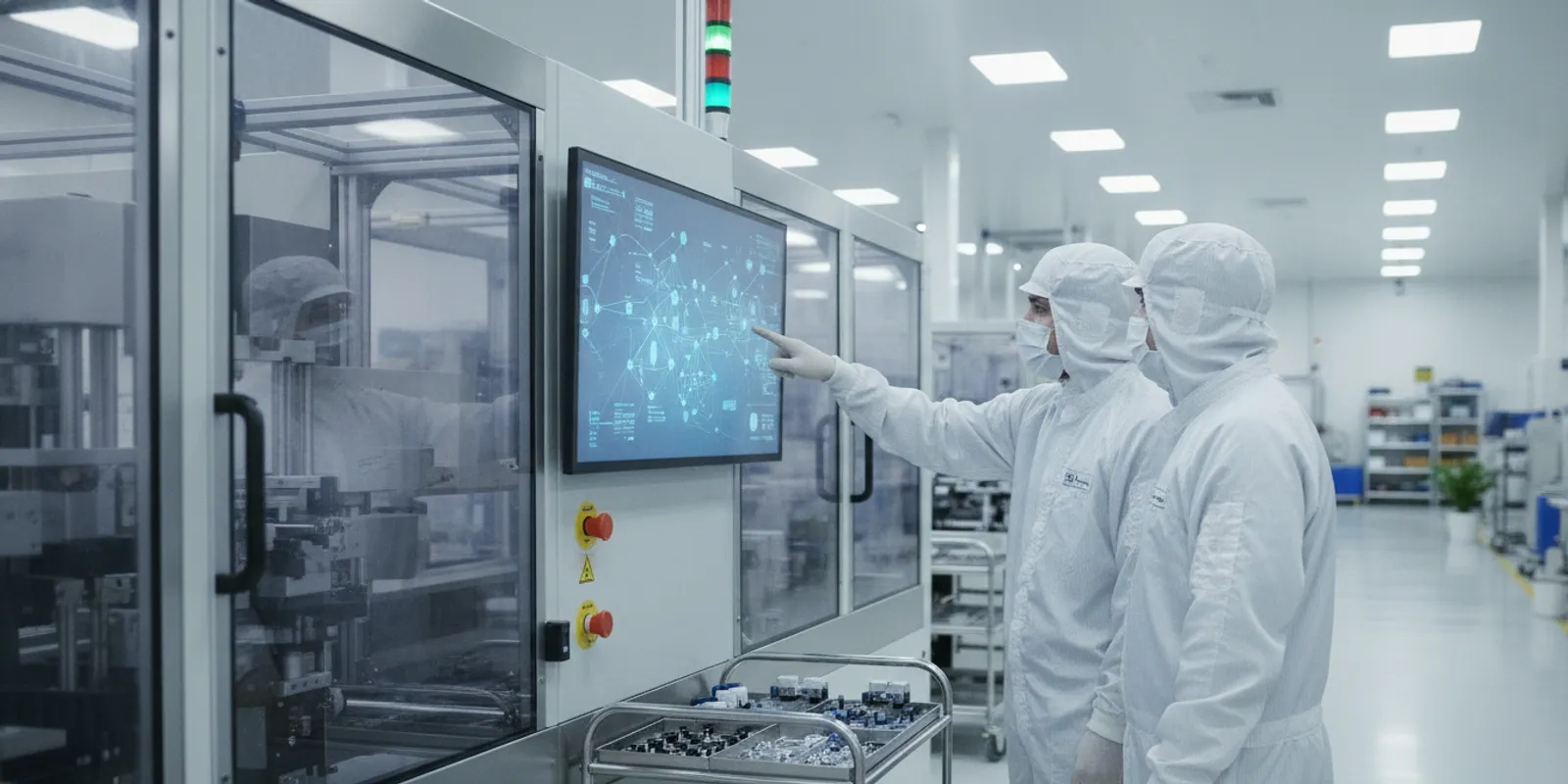
In modern manufacturing, keeping track of every job, labor hour, and machine status is critical to staying profitable. Implementing an automated system for shop floor data collection bridges the communication gap between the physical factory floor and back-office scheduling, enabling real-time operational visibility and removing manual bottlenecks.
Without accurate data from the production floor, scheduling decisions are based on guesswork. Machine downtime goes unreported, labor hours get misallocated, and job statuses remain unknown until the end of the shift. A structured data collection system eliminates these blind spots by capturing production events as they happen. Giving managers the information they need to keep jobs moving on time and under budget.
Need to eliminate paper logs and capture live floor data? Explore JobPack’s Real-Time Shop Floor Data Collection Solution or call our Chicago office at 847-741-1861.
What Is Shop Floor Data Collection?
At its core, shop floor data collection is the systematic gathering of real-time operational tracking metrics directly from the factory floor as production occurs. This includes tracking labor hours, machine cycles, material consumption, and job progress. Capturing this data instantly allows supervisors to make immediate, highly informed shop floor decisions.
To understand this process, discrete manufacturers must distinguish between organizational data and technical operating data. Organizational data tracks the human element of production, such as labor times and job completions. Technical operating data monitors the mechanical state, including spindle speeds, temperatures, and cycle counts.
Modern manufacturing software integrations transform these raw data points into actionable shop floor intelligence. By connecting physical operations directly to digital management systems, companies eliminate guesswork. As a result, operations managers gain clear visibility into current shop capacity and work-in-progress status. This real-time feedback loop is what separates competitive manufacturers from those still relying on end-of-shift paper summaries.
The Evolution of Shop Floor Data Collection Methods
How manufacturers collect operational data has evolved significantly with the rise of Industry 4.0 technology. While legacy facilities still use paper travelers, modern machine shops are adopting automated and digitized tracking methods. Understanding these four distinct collection methods helps manufacturers evaluate their current operational maturity.
- Manual Paper Traveler Logs: This legacy method relies on physical paper routers that travel with the job. Operators write down setup times, run times, and scrap quantities by hand. While simple, it is highly prone to untimeliness, manual errors, and transcription delays. A single misplaced decimal can throw off an entire job cost.
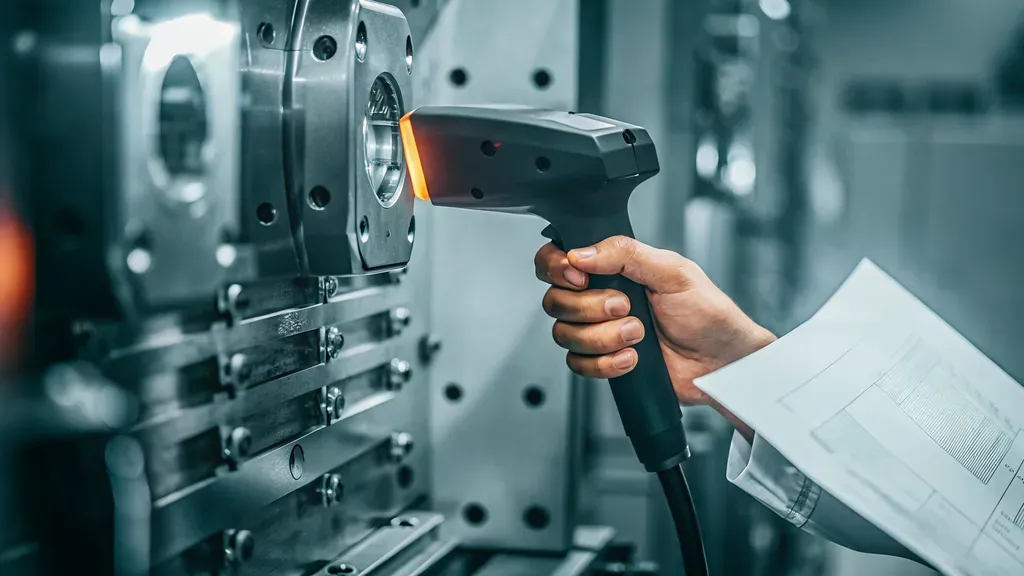
- Barcode Scanning and WIP Booking: Operators scan barcoded job travelers at touch-screen kiosks when starting or stopping operations. This method digitizes WIP booking, offering immediate timestamps and reducing operator data-entry errors. It provides a cost-effective way to transition to a paperless production floor without replacing all existing equipment at once.
- RFID Tracking: Radio Frequency Identification uses active or passive tags placed on material bins or tooling fixtures. As materials pass through designated shop floor gates, the system automatically logs their movement. This minimizes physical operator interaction while providing highly accurate location tracking for work-in-progress inventory.
- Automated Machine Data Collection: This advanced approach connects directly to the PLCs of CNC machinery using standard protocols like MTConnect, OPC UA, and Modbus. By leveraging these protocols, the system captures real-time spindle status, cycle counts, and alarms automatically. This eliminates human bias and provides 100% accurate machine utilization data.
According to the National Institute of Standards and Technology (NIST), standardizing digital data protocols across the shop floor is critical for interoperability. Moving from manual logs to barcode or direct machine connections creates a single source of truth, which is essential for precise production management. Each incremental step up this maturity ladder reduces the latency between a production event and its appearance in your management reports.
How Real-Time Shop Floor Data Feeds Manufacturing Operations
A standalone data collection system is only as valuable as the business systems it supports. When integrated with a manufacturing execution system, collected data becomes the lifeblood of daily operations. Real-time shop floor data directly feeds three core pillars of manufacturing management.
1. Dynamic Production Scheduling
Traditional scheduling relies on static assumptions and optimistic lead times. In contrast, integrating live data into production scheduling software allows for constraint-aware finite scheduling. As operators log job progress, the visual schedule adjusts automatically, instantly highlighting potential bottleneck operations. A scheduler who sees a machine go down at 9 a.m. can reallocate work by 9:15 a.m., rather than discovering the delay at the end of the shift.
2. Precise Job Costing and Labor Tracking
To maintain healthy margins, discrete manufacturers must know their exact cost per part. By capturing direct labor hours and material consumption as they occur, managers get real-time job costing. This accurate costing data prevents margin erosion and helps estimators submit highly competitive future quotes. When a job actually took 4.2 hours instead of the estimated 3.5, that variance becomes visible immediately, not weeks later during a post-mortem.
3. Real-Time WIP and Inventory Tracking
Without digital tracking, finding a specific order often requires physically walking the shop floor. Automated data collection provides real-time visibility into all active work-in-progress. Managers can track part locations instantly, optimize material handling, and ensure inventory records match actual floor levels. This visibility alone can reduce the time spent on expediting by 30% or more in high-mix environments.
What Are the Most Common Challenges When Adopting Shop Floor Data Collection?
Despite the clear benefits, many discrete manufacturers hesitate to adopt digital data collection because they fear operational disruption. These concerns are valid but manageable with the right implementation approach. Understanding the most common challenges helps manufacturers prepare for a successful rollout.
Operator Resistance to Change
Experienced machinists who have used paper travelers for decades may view digital data collection as micromanagement. Overcoming this resistance requires clear communication about how the system benefits operators, not just management. When operators see that digital tracking reduces paperwork, simplifies time reporting, and provides real-time feedback on their performance, adoption rates improve dramatically.
Integration Complexity With Existing Systems
Connecting a new data collection platform to legacy ERP systems can feel technically daunting. However, modern MES platforms like JobPack are designed with pre-built connectors for common ERP systems. A standalone MES for job shops can synchronize bidirectionally with minimal IT overhead, updating order statuses and labor records without manual double-entry.
Hardware and Infrastructure Costs
Equipping every work center with touch-screen kiosks, barcode scanners, or RFID readers requires upfront investment. However, the return on investment typically materializes within 6 to 12 months through reduced data entry labor, fewer scheduling errors, and improved machine utilization. Starting with a pilot area, such as a single production cell, allows manufacturers to prove the value before scaling the investment across the entire facility.
The Strategic Benefits of Transitioning to Automation
Many manufacturing leaders view data collection as a mere administrative task. However, automating this process yields significant strategic advantages that directly impact the bottom line. By removing manual entry, companies eliminate the three major pitfalls of paper tracking: untimeliness, inaccuracy, and bias.
- Elimination of Data Entry Backlogs: Manual paper logs often sit on a supervisor’s desk for hours or days before being entered. Automating the process provides instant operational visibility, ensuring the scheduling board is never out of sync with what is happening on the floor.
- Unbiased Performance Metrics: When operators manually log downtime, they may unintentionally misrepresent the root causes of idle time. Connecting directly to machine controls captures precise status codes, highlighting the real bottlenecks rather than the reported ones.
- Enhanced OEE Dashboard Analytics: Collected machine and labor data feeds comprehensive dashboards tracking Overall Equipment Effectiveness. This live feedback helps teams measure availability, quality, and performance trends to drive continuous improvement initiatives with hard evidence.
- Regulatory Compliance and Traceability: In regulated industries such as aerospace and medical device manufacturing, digital traceability is often a contractual requirement. Automated data collection provides an audit-ready record of every production event, simplifying compliance with AS9100, ISO 13485, and other quality standards.
According to the MTConnect Institute (MTConnect), access to clean, structured machine data is the foundation of smart manufacturing. Facilities that capture direct equipment metrics achieve higher asset utilization and reduce unplanned downtime. This shift moves a machine shop from reactive firefighting to proactive growth.
A Step-by-Step Process for Implementing Shop Floor Data Collection
Transitioning to digital data collection requires a structured approach to ensure high operator adoption and system accuracy. Failing to plan the integration often results in poor data quality and wasted investments. Manufacturers should follow this five-step implementation process for a smooth transition.
- Define Your Core Operational Metrics: Start by identifying the critical data points your operation actually needs to track. Focus on high-value metrics like setup times, active run times, scrap rates, and labor hours. Avoid overwhelming operators with excessive data-entry requests from day one.
- Select User-Friendly Input Hardware: Install durable, shop-hardened touch-screen kiosks and wireless barcode scanners at key work centers. The hardware must be intuitive and easy for operators to use while wearing protective gear. Simple interfaces dramatically improve daily operator adoption rates.
- Establish Seamless Business System Integrations: Ensure your collection software integrates directly with your existing scheduling and ERP platforms. A modern MES is designed to bridge this gap, synchronizing order statuses and labor records without requiring manual re-entry of data between systems.
- Standardize Activity and Downtime Codes: Configure a clear set of standard activity and downtime codes in your system. Limit these to a manageable list, such as 64 user-defined codes covering maintenance, material shortages, setups, and quality holds. This standardization ensures clean, structured data for subsequent analysis and reporting.
- Train Operators and Refine the Workflow: Conduct thorough hands-on training sessions with all operators, emphasizing how digital tracking simplifies their jobs. Explain that removing paper travelers reduces administrative burdens and improves shop floor safety. Schedule follow-up sessions at 30 and 60 days to address any friction points and reinforce best practices.
By following these structured steps, discrete manufacturers can achieve a seamless transition. The resulting real-time visibility empowers teams, optimizes machine capacity, and stabilizes production timelines. Most importantly, it ensures your scheduling decisions are backed by hard, live-floor evidence rather than historical averages.
How Does Shop Floor Data Collection Differ From Machine Monitoring?
These two terms are often used interchangeably, but they serve distinct purposes in a manufacturing operation. Understanding the difference helps manufacturers choose the right combination of tools for their specific needs.
| Dimension | Shop Floor Data Collection | Machine Monitoring |
|---|---|---|
| Primary focus | Human activities: job starts, labor hours, scrap entries, order status updates. | Equipment state: spindle running, idle, downtime, cycle counts, alarms. |
| Data source | Operator input via touch-screen kiosks, barcode scanners, or RFID readers. | Direct PLC connection via MTConnect, OPC UA, or Modbus protocols. |
| Capture method | Manual or semi-automated (scan, tap, enter). | Fully automated, no operator intervention required. |
| Typical data points | Setup time, run time, quantity produced, scrap count, labor hours. | Spindle status, cycle count, temperature, vibration, feed rate, alarms. |
| Primary use case | Job costing, WIP tracking, labor efficiency, production scheduling. | OEE analysis, predictive maintenance, utilization reporting, downtime root cause. |
Shop floor data collection focuses on the human and transactional side of production: operators logging job starts and stops, recording labor hours, entering scrap quantities, and updating order statuses. It captures the “who did what and when” of manufacturing.
Machine monitoring, on the other hand, focuses on the equipment itself. It connects directly to CNC controls via protocols like MTConnect and OPC UA to capture spindle running status, cycle counts, alarms, and temperature data. This is the “what is the machine doing right now” layer.
The most effective manufacturing operations use both. Machine monitoring software provides the automated equipment data that feeds into the shop floor data collection system, creating a complete picture of both human activity and machine performance. Together, they power accurate scheduling, precise costing, and meaningful OEE analysis.
Frequently Asked Questions About Shop Floor Data Collection
What is the main difference between manual and automated shop floor data collection?
Manual data collection relies on operators writing down production details on paper logs, which are transcribed later. Automated collection uses barcode scanners, RFID, or direct machine connections to log activities instantly. This automation eliminates transcription delays, human errors, and reporting bias.
How does shop floor data collection improve production scheduling?
Legacy scheduling operates on static, historical averages. Data collection feeds live job statuses and machine utilization metrics directly into the scheduling software. This allows the visual scheduler to adjust dynamically as work occurs, identifying bottlenecks before they delay deliveries.
Can we implement shop floor data collection without replacing our existing ERP?
Yes, modern manufacturing execution systems are designed to function as standalone platforms or integrate seamlessly with your ERP. This modular approach allows manufacturers to deploy powerful data collection and advanced scheduling without undergoing a complex and expensive ERP replacement.
What types of data should we collect from the shop floor first?
Start with the data that has the highest impact on your scheduling accuracy and job profitability. Most manufacturers begin with job start and stop times, labor hours per operation, machine running status, and scrap quantities. These core metrics provide the foundation for meaningful OEE tracking, real-time WIP visibility, and accurate job costing.
How long does it take to implement a digital shop floor data collection system?
Implementation timelines vary based on facility size and complexity, but most discrete manufacturers can go live with a pilot area within 4 to 8 weeks. A full facility rollout typically takes 3 to 6 months when following a structured implementation plan. The key is to phase the rollout rather than attempting a big-bang deployment across the entire shop at once.
Is shop floor data collection suitable for small job shops with limited IT resources?
Absolutely. Modern data collection platforms are designed for ease of use and require minimal IT support. Cloud-based options reduce the need for on-premise servers, and intuitive touch-screen interfaces mean operators can learn the system in minutes. Small job shops often see the fastest ROI because even modest efficiency gains represent a large percentage of their total throughput.
Conclusion: Build a Data-Driven Manufacturing Future
Transitioning from manual paper logs to a digital, real-time data collection system is no longer a luxury. For high-mix, low-volume discrete manufacturers, it is a vital necessity to remain competitive. Capturing clean, real-time floor data removes operational blind spots and stabilizes production schedules.
By integrating shop floor tracking with dynamic scheduling software, managers can optimize machine capacity and protect margins. Stop managing your shop floor through rearview-mirror spreadsheets. Invest in a modern shop floor data collection system to unlock the true potential of your manufacturing business.
Ready to transform your factory floor and maximize your capacity? Contact the JobPack Team Online or call 847-741-1861 today to speak with a manufacturing expert.