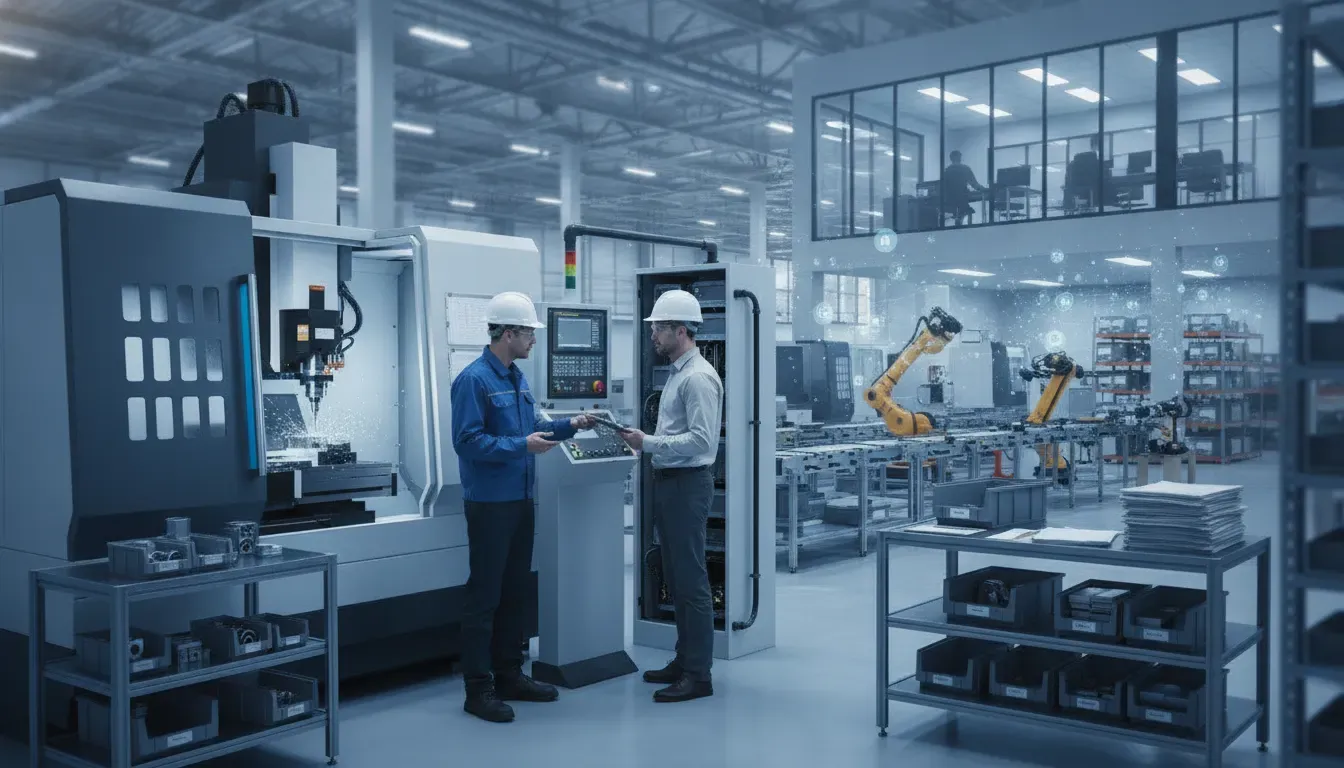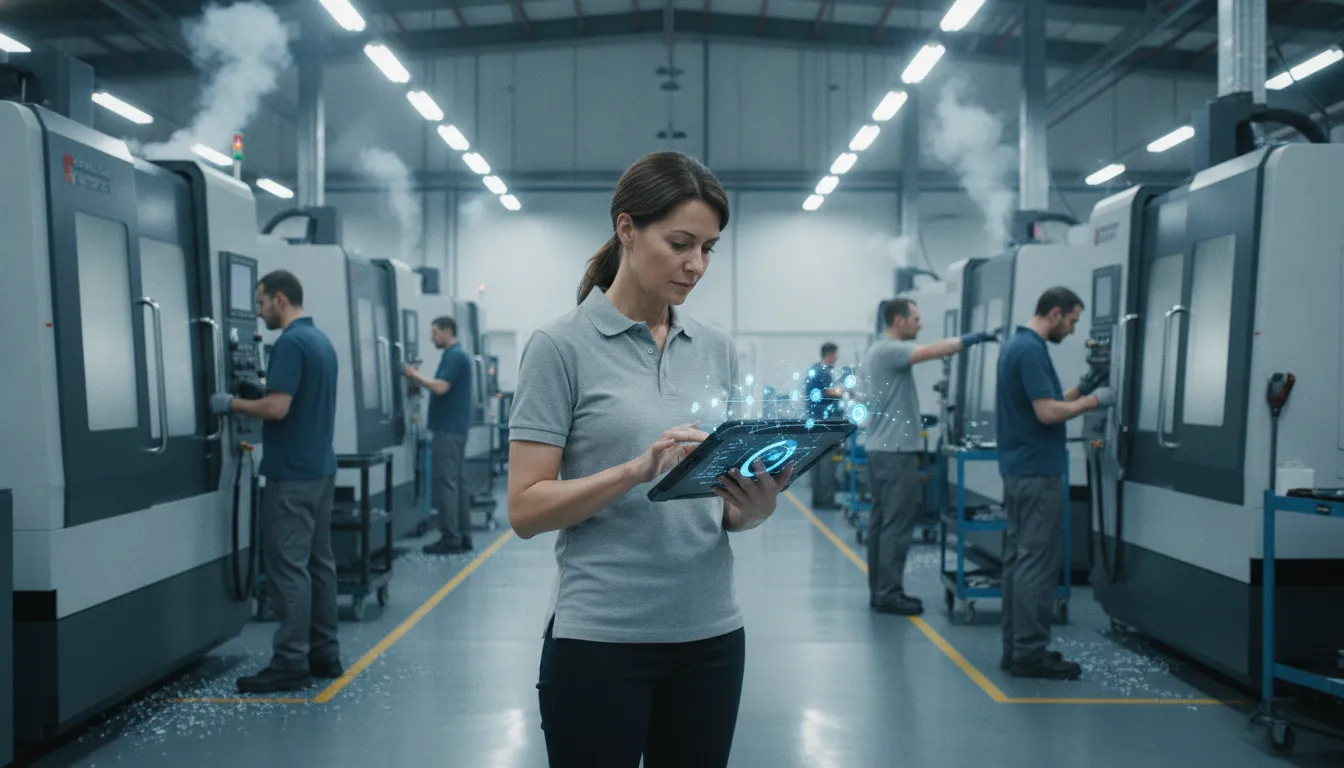
Running a manufacturing floor on clipboards and spreadsheets feels like trying to piece together a puzzle with half the pieces missing. You get reports at the end of a shift, long after a problem has already caused delays and wasted materials. This reliance on manual, after-the-fact information creates blind spots that cost you time and money. The solution is a modern approach that replaces guesswork with real-time facts. Effective shop floor data collection provides a live, accurate picture of your operations as they happen. This guide will walk you through what this system is, why it matters, and how you can implement it to gain the visibility you need to make smarter decisions, reduce waste, and deliver work on time, every time.
Key Takeaways
- Automate data collection to get the real story: Move away from manual, error-prone methods like clipboards and spreadsheets. Automating data capture directly from your machines provides accurate, real-time information, giving you a trustworthy foundation for every operational decision.
- Integrate your systems for a unified view: The true power of shop floor data is unlocked when it’s connected to your ERP. This integration creates a single source of truth, breaking down departmental silos and ensuring everyone from production to finance is working from the same live information.
- Focus on key metrics to drive improvement: Collecting data is just the beginning; you need to know what to do with it. Tracking specific KPIs like Overall Equipment Effectiveness (OEE) and machine downtime turns raw numbers into actionable insights, helping you pinpoint inefficiencies and measure progress.
What is Shop Floor Data Collection?
At its core, shop floor data collection (SFDC) is the process of gathering real-time information directly from your factory floor. Think of it as getting a live report card on your production activities as they happen. Instead of relying on manual notes, spreadsheets, or guesswork, SFDC gives you a clear, accurate picture of what’s going on with your machines, materials, and people. This includes everything from how fast a machine is running and how long a job takes to tracking labor costs and identifying quality issues.
The goal is to capture the raw data of your operations so you can turn it into meaningful insights. By collecting this information, you move from making decisions based on what you think is happening to what you know is happening. This shift is fundamental for any manufacturer looking to improve efficiency, reduce waste, and deliver work on time. It’s the foundation for smarter scheduling, better resource management, and a more competitive business overall. With a solid SFDC system, you can spot bottlenecks before they become major problems and find opportunities for improvement you might have otherwise missed. It bridges the gap between the front office and the factory floor, ensuring everyone is working from the same playbook.
What Data Should You Collect?
When you’re starting out, it’s easy to get overwhelmed by the sheer amount of data available. The key is to focus on the metrics that directly impact your production goals. Start by collecting information that answers your most pressing questions about efficiency, cost, and quality.
This typically includes data points like production counts, cycle times, machine speed, and labor hours. You’ll also want to track machine status, such as uptime, downtime, and the reasons for any stoppages. Don’t forget about quality metrics, like scrap counts and defect rates, which are crucial for reducing waste. By gathering this specific information, you create a detailed record of your shop floor’s performance, which is the first step toward making targeted improvements and achieving operational excellence.
The Core Components of a Collection System
A modern shop floor data collection system is built on a few key components working together. First, you have the technology used to capture the data. This can include IoT sensors attached to machines, barcode scanners for tracking parts and labor, or RFID tags for monitoring inventory movement. These tools automate the process, ensuring the data is accurate and captured without manual entry, which can be slow and prone to errors.
The second component is the software that gathers and organizes this information. This is where a solution like a machine monitoring system comes in. It connects directly to your equipment to pull performance data automatically. Finally, this data is often fed into a larger system, like your ERP, to provide a complete view of your business. This integration connects your shop floor activities with other departments like accounting and sales, giving everyone access to the same accurate, up-to-the-minute information.
Why Does Shop Floor Data Collection Matter?
Running your manufacturing operations on guesswork is like driving with a foggy windshield. You might be moving forward, but you can’t see the obstacles right in front of you. Effective shop floor data collection clears that fog. It replaces assumptions with facts, giving you a solid foundation to build a more efficient, profitable business. By capturing accurate information directly from your machines and operators, you get the insight needed to make confident decisions that guide your entire operation. It’s the difference between reacting to problems and preventing them altogether.
Gain Real-Time Visibility into Your Operations
Imagine knowing about a potential production bottleneck hours before it brings a machine to a halt. That’s the power of real-time visibility. Instead of waiting for end-of-shift reports to learn what went wrong, you get a live view of your entire shop floor. This allows you to spot slowdowns or machine issues as they happen. Automatic data collection gives you this clear view into your production operations, using live shop floor data to increase efficiencies. With a constant stream of information, your team can address small problems immediately, preventing them from becoming costly downtime.
Make Smarter, Data-Driven Decisions
Gut feelings have their place, but they can’t replace hard data in a complex manufacturing environment. When you collect accurate shop floor data, you equip your entire team to make better choices. With this information, manufacturers can streamline operations, improve oversight, and make smarter decisions. You can analyze performance trends, find the root causes of defects, and optimize your production scheduling with precision. This data-driven approach moves your business from a reactive state to a proactive one, where every decision is backed by clear, measurable evidence.
Sharpen Your Competitive Edge
Relying on manual spreadsheets to track production is slow and prone to human error. These outdated methods create blind spots in your process, leading to inefficiencies your competitors can easily exploit. Automating your data collection reduces the risk of these errors and ensures your records are consistently accurate and reliable. This helps your operations adhere to industry regulations and quality standards, saving time and reducing potential penalties. By embracing modern data collection, you build a more agile operation that can adapt quickly to challenges and stay ahead of the curve.
How to Collect Shop Floor Data
Once you know what data you need, the next step is figuring out how to capture it. Your approach to data collection is the foundation of your entire system, determining the accuracy and timeliness of your insights. The methods you choose directly impact your ability to see what’s happening on the floor, make quick decisions, and keep production moving smoothly. Let’s walk through the most common methods to find the right fit for your shop.
Manual vs. Automated Data Collection
Many shops still rely on manual data collection with clipboards and spreadsheets. This approach is prone to human error, as a simple typo can create inaccurate information that throws off scheduling and inventory. Manual data is also slow; by the time you analyze it, the opportunity to fix a problem has passed. Automated data collection minimizes these errors and delivers information in real time. Connecting to your machines provides accurate data instantly, allowing you to make decisions based on what’s happening now. This proactive management is a key reason why JobPack helps manufacturers get ahead.
Using IoT, Barcodes, and RFID
Automating your data collection means using technology to capture information quickly. Barcode scanners and RFID tags are excellent for tracking materials, work-in-progress, and finished goods. A quick scan can update job statuses, log material usage, and record operator time without manual entry. Integrating Internet of Things (IoT) sensors takes this a step further. These sensors can be placed on machines to monitor conditions like temperature and output, creating a connected factory where data flows seamlessly into your system. This detailed shop floor data collection gives you a complete picture of your operations.
Tapping into Machine Monitoring
The most direct way to get accurate production data is to pull it straight from your machines. Modern machine monitoring systems connect to your equipment’s controls to automatically capture information like cycle times, uptime, and part counts. This eliminates guesswork and manual tracking, giving you an objective view of performance. With real-time data streaming from every machine, you can identify bottlenecks before they cause major delays. You’ll know instantly if a machine goes down or its performance dips, allowing you to address the issue immediately. This provides the visibility you need to run a more efficient shop floor.
The Payoff: Key Benefits of Data Collection
Once you start gathering accurate information directly from your shop floor, the practical advantages become clear very quickly. Moving beyond guesswork and manual tracking allows you to make tangible improvements that affect your efficiency, quality, and bottom line. Let’s look at the key benefits you can expect.
Improve Operational Efficiency
If you’re still relying on paper-based schedules and manual reporting, you know how easily things can fall through the cracks. With real-time shop floor data collection, you can finally eliminate the issues that come with manual processes. Instead of chasing down paperwork or deciphering handwriting, your team gets instant access to accurate job statuses, material usage, and operator performance. This immediate feedback loop means you can adjust schedules on the fly, catch issues faster, and keep production moving smoothly. It’s about replacing slow, reactive processes with a proactive, streamlined workflow that saves time and reduces frustration for everyone involved.
Cut Down on Waste and Downtime
Unplanned downtime and material waste can quietly eat away at your profits. Shop floor data gives you the visibility to fight back. By tracking machine performance in real time, you can spot patterns that signal a machine needs maintenance before it breaks down unexpectedly. This is a core benefit of a robust machine monitoring system. Similarly, accurate data on material consumption helps you identify sources of scrap and rework. This information allows you to make targeted process improvements, leading to smoother operations, less waste, and better decision-making that protects your margins and keeps your production lines running.
Strengthen Quality Control
Quality issues are always cheaper to prevent than to fix. Real-time data collection allows you to identify potential problems in production before they turn into a batch of defective parts. By monitoring key process parameters and operator actions as they happen, you can catch deviations from your standards immediately. This proactive approach to quality control means less rework, fewer customer complaints, and a stronger reputation for reliability. With clear data, you can dig into the root causes of any issues that do arise, ensuring they don’t happen again and building quality into every step of your process.
Manage Resources More Effectively
Are you getting the most out of your machines, materials, and people? Shop floor data provides the clear answers you need to optimize every resource. Integrating your machines and operators into a connected system unlocks accurate, real-time production data that helps you refine your production schedule. You can see which machines are being underutilized, where your best operators can make the biggest impact, and how to plan material flow more precisely. This level of insight extends beyond the shop floor, helping business operations from purchasing to finance make more informed, cost-effective decisions based on what’s actually happening in production.
Increase Productivity and Throughput
When you improve efficiency, reduce downtime, and strengthen quality, the natural result is a significant increase in productivity. Automatic data collection gives you unprecedented visibility into your operations, empowering you to make smart adjustments that directly impact your output. You can identify and resolve bottlenecks, optimize cycle times, and ensure a steady flow of work through your facility. Many manufacturers see dramatic improvements in throughput after implementing a data collection system. By seeing the complete picture, you can fine-tune your processes to get more high-quality products out the door on time, as proven by these case studies.
Connecting Your Shop Floor to Your ERP
Collecting data is the first step, but the real magic happens when you connect that information to your Enterprise Resource Planning (ERP) system. Think of your ERP as the central nervous system of your business, handling everything from accounting and inventory to sales and HR. When your shop floor data doesn’t communicate with your ERP, you’re operating with a significant blind spot. You have one set of data about what’s happening on the floor and another set of data about everything else, which can lead to costly miscommunications and delays.
Integrating the two systems bridges that gap. It creates a single, unified source of truth that flows seamlessly from the machine on the floor to the financial reports in the front office. This connection transforms raw data into powerful business intelligence that everyone in your organization can use. Instead of operating in separate silos, your production team, sales department, and leadership can all work from the same real-time information. This alignment is crucial for making cohesive, strategic decisions that move your entire business forward. It’s how you turn insights into action and action into measurable results like improved efficiency and on-time delivery.
Sync Data in Real Time
When your shop floor systems and ERP are connected, data syncs automatically and in real time. This means the moment a job is completed, a machine goes down, or a part is scrapped, the information is instantly available across the entire business. Your accounting team sees the cost implications immediately, inventory is updated without delay, and your sales team has accurate information on production timelines to share with customers. You no longer have to wait for someone to manually enter data at the end of a shift. This live feed gives you a complete and current picture of your operations, allowing you to make faster, more accurate data analytics based on what’s happening right now, not what happened hours ago.
Automate Key Workflows
Connecting your shop floor to your ERP is the key to powerful automation. Manual data entry is not only slow but also a major source of errors that can ripple through your entire system. By integrating your systems, you can automate the flow of information. For example, when a machine completes a cycle, that data can automatically update your production schedule, adjust inventory levels, and log labor hours without anyone lifting a finger. This level of shop floor data collection frees up your team from tedious administrative tasks, reduces the risk of human error, and ensures the information in your ERP is always accurate and reliable. This efficiency gain allows your team to focus on what they do best: producing quality parts.
Give Every Department a Clear View
An integrated system breaks down the walls between departments. When shop floor data is accessible through the ERP, everyone gets a clear, consistent view of the production process. The maintenance team can see machine performance data to anticipate service needs before a breakdown occurs. The quality department can track defect rates in real time to identify and address issues faster. Planners get the visibility they need for more accurate production scheduling, and the sales team can confidently provide customers with realistic delivery dates. This shared perspective ensures every department is aligned and working toward the same goals, improving collaboration and overall operational effectiveness.
Common Hurdles to Clear During Implementation
Switching to a new shop floor data collection system is a big step forward, but like any major upgrade, it comes with a few challenges. Knowing what to expect can help you create a smoother transition for your entire team. Think of these common hurdles not as roadblocks, but as checkpoints on your path to a more efficient and data-driven operation. By planning for them ahead of time, you can keep your implementation on track and start seeing the benefits sooner.
Ensuring Data Accuracy
If you’re still relying on manual data entry, you know how easily mistakes can happen. A single typo or a misplaced decimal point can throw off inventory counts, production schedules, and cost analyses. The core challenge here is moving from a system with a high potential for human error to one that captures information correctly every time. Inaccurate data leads to flawed decisions, which is exactly what you’re trying to avoid. The goal is to build a foundation of trustworthy information, and that starts with automating your shop floor data collection to minimize manual inputs and ensure every piece of data is reliable from the start.
Integrating with Older Systems
Most manufacturing floors are a mix of the old and the new. You might have state-of-the-art CNC machines right next to reliable legacy equipment that’s been running for decades. Getting these different systems, especially your existing ERP platform, to communicate with each other can be complex. A successful implementation depends on creating a seamless flow of information between all your technology. Without proper integration, you end up with data silos, which prevents you from getting a complete picture of your operations. The key is to find a solution that is flexible enough to connect with the systems you already have, creating a single, unified source of truth for your entire facility.
Getting Your Team on Board
New technology can be met with hesitation if your team doesn’t understand the reasons behind the change. People are often comfortable with their existing routines, even if those routines are inefficient. The biggest hurdle here is managing the human side of the transition. It’s essential to communicate clearly why you’re making the switch and how it will make everyone’s job easier, not harder. By focusing on the benefits, like eliminating tedious paperwork and providing tools that help them succeed, you can turn skepticism into support. Providing thorough training and showing how other companies have benefited can also help get everyone excited about the new system.
Turning Data into Actionable Insights
Collecting mountains of data is one thing; knowing what to do with it is another. It’s easy to get overwhelmed by raw numbers without a clear way to interpret them. The real value of a data collection system comes from its ability to transform that raw data into clear, actionable insights. You need dashboards and reports that instantly tell you what’s happening on the shop floor so you can make smart, timely decisions. The challenge is to avoid “analysis paralysis” by focusing on the key performance indicators that matter most. A good system will present information visually, making it easy to spot trends, identify bottlenecks, and find opportunities for improvement with powerful data analytics.
Managing Costs and Training
Implementing a new data collection system is an investment, and it’s important to plan for both the initial setup costs and the ongoing training required to make it successful. The financial hurdle involves more than just the software license; you also need to consider any necessary hardware upgrades and the time your team will spend learning the new system. However, it’s crucial to frame this as an investment with a clear return. By eliminating the hidden costs of paper-based methods, reducing waste, and improving on-time delivery, the system quickly pays for itself. You can request a demo to get a clearer picture of the investment and the specific ROI your shop can expect.
Your Roadmap for a Smooth Implementation
Putting a new system in place can feel like a huge undertaking, but you can set yourself up for success with a clear plan. Think of it as a roadmap with a few key stops along the way to ensure your shop floor data collection initiative runs smoothly from day one.
Automate Data Collection Where Possible
The first step is to move away from manual data entry. Clipboards and spreadsheets are prone to human error and can’t provide the immediate insights you need. By using technology like sensors and direct connections to your machines, you can automatically gather accurate, real-time information. This autonomous approach ensures your production data is captured correctly, giving you a trustworthy foundation for every decision you make. An effective shop floor data collection system replaces guesswork with certainty.
Train Your Team and Manage the Change
Your team is your greatest asset, so getting them on board is critical. Start by explaining why this change is happening and how it will make their jobs easier, not harder. Provide clear, hands-on training on how to use the new tools and emphasize the importance of accurate data. Create an open channel for feedback so you can address concerns and make adjustments as you go. When your team understands the benefits and feels supported, they become active participants in the system’s success.
Choose the Right Hardware for Your Shop
The right tools can make all the difference. You’ll need hardware that can withstand the shop floor environment, whether that means rugged tablets, barcode scanners, or sensors mounted directly on your equipment. The key is to choose hardware that fits your factory’s specific needs and integrates seamlessly with your existing systems, especially your ERP. This focus on compatibility ensures that data flows smoothly from your machines to your management software, creating a truly connected Industry 4.0 environment.
Keep Your Focus on Data Quality
Remember, the goal isn’t just to collect more data; it’s to collect better data. The principle of “garbage in, garbage out” is especially true on the shop floor. High-quality data is what turns raw information into powerful insights that can improve every part of your manufacturing process. Consistently accurate data helps you maintain quality control, manage inventory effectively, and make smarter scheduling decisions. This commitment to quality is what allows your data analytics to deliver real, measurable value.
How to Measure Success: KPIs to Track
Once your shop floor data collection system is up and running, how do you know if it’s actually making a difference? The answer lies in tracking the right Key Performance Indicators (KPIs). These metrics are more than just numbers; they are the vital signs of your manufacturing operation. They transform the raw data you collect into a clear, understandable story about your performance, showing you exactly where you’re succeeding and where there’s room for improvement.
Focusing on a few key metrics helps you cut through the noise and concentrate on what truly matters for your business goals. Instead of getting lost in a sea of data, you can use these specific KPIs to measure progress, hold your teams accountable, and make confident, informed decisions. Think of it this way: collecting data is like gathering ingredients, but tracking KPIs is like following the recipe to see if you’re creating a masterpiece or just a mess. These indicators provide the context you need to turn insights into action. Let’s look at four of the most impactful KPIs that will help you gauge the success of your data collection efforts and drive continuous improvement on the shop floor.
Overall Equipment Effectiveness (OEE)
Overall Equipment Effectiveness (OEE) is a gold-standard metric for measuring manufacturing productivity. Think of it as a comprehensive report card for your machines. It calculates efficiency by looking at three key factors: availability (is the machine running when it’s supposed to be?), performance (is it running as fast as it can?), and quality (is it producing good parts?).
By combining these elements, OEE gives you a single, powerful score that reflects how effectively your equipment is being used. Accurate shop floor data collection is the foundation for a reliable OEE score, providing the real-time information needed to see the complete picture of your operational health.
Production Rates and Throughput
At its core, manufacturing is about making things. Production rates and throughput measure exactly how much you’re making in a specific timeframe. Tracking these metrics is essential for understanding your shop’s capacity and efficiency. When you have real-time data on your output, you can quickly spot bottlenecks that are slowing down the entire production line.
Are you on track to meet your daily quota? Is one machine lagging behind the others? Answering these questions helps you make immediate adjustments to your production scheduling to keep work flowing smoothly. This visibility ensures you can meet deadlines and manage customer expectations without guesswork.
Machine Downtime
Every minute a machine isn’t running is a minute of lost production and revenue. Machine downtime is a critical KPI because it directly impacts your bottom line. While some downtime is unavoidable (like for scheduled maintenance), unplanned stops can cripple your efficiency. By measuring the amount of time machines are not operational, you can pinpoint the root causes of delays.
A robust machine monitoring system doesn’t just tell you a machine is down; it helps you understand why. Whether it’s a tooling issue, a material shortage, or an operator break, categorizing downtime allows you to implement targeted strategies to minimize future interruptions and keep your equipment running.
Quality and Defect Rates
Producing parts quickly is great, but not if they don’t meet quality standards. Tracking quality and defect rates is essential for assessing the effectiveness of your production processes and protecting your reputation. These KPIs measure the number of non-conforming parts produced compared to the total number of parts. A high defect rate can signal problems with machinery, materials, or operator processes.
With precise data from the shop floor, you can identify exactly when and where defects are happening. This allows you to intervene quickly, fix the underlying issue, and prevent a small problem from becoming a costly one. This focus on quality ensures you consistently meet industry standards and deliver products your customers can trust.
How to Choose the Right Data Collection Solution
Choosing a shop floor data collection system is a major decision. It’s not just about buying software; it’s about finding a partner that understands your factory’s unique rhythm. The best system for you will align with your specific goals, integrate smoothly with your current technology, and come with the support you need to succeed long-term. Before you even look at demos, you need a clear picture of what you want to achieve. This means digging into your daily operations to pinpoint exactly what data will make the biggest impact.
Once you know what you need, you can evaluate how different solutions will connect with your existing machines and software, like your ERP. Finally, think beyond the initial setup. A great provider will be there to help with implementation, training, and adapting the system as your business grows. Let’s break down these three key areas so you can find the perfect fit for your shop.
Assess Your Unique Manufacturing Needs
You wouldn’t buy a new machine without knowing its exact purpose, and the same logic applies to a data collection system. The first step is to clearly define what success looks like for your factory. Walk the floor and talk to your operators. What are their biggest frustrations? Where do the most significant bottlenecks occur? Understanding your specific data collection needs is crucial. Identify the key metrics that matter most to your bottom line, such as production rates, machine downtime, or quality levels. Then, you can work backward to pinpoint the exact data points you need to collect to track those metrics effectively. This clarity will guide your entire selection process.
Evaluate Tech Compatibility
Your shop floor is a complex ecosystem of equipment, software, and people. Any new data collection solution needs to fit into that environment without causing major disruptions. The goal is to create a connected factory where information flows freely from your machines to your business systems. A powerful shop floor data collection system should integrate with both modern and legacy machine assets. This unlocks accurate, real-time production data that can be used across your entire operation. Make sure any solution you consider can communicate seamlessly with your existing ERP, preventing data silos and giving everyone a single source of truth.
Consider Implementation and Ongoing Support
Choosing a data collection solution is the start of a relationship. The initial implementation is important, but the ongoing support you receive is what ensures long-term success. Ask potential providers what their implementation process looks like and how they will train your team. A smooth rollout depends on getting your operators and managers on board. Look for a partner who will help you establish real-time connections between your databases and shop floor devices, empowering your team to make faster, data-driven decisions. You can request a demo to see how this process works firsthand and get a feel for the support you’ll receive.
Related Articles
- Shop Floor Data Collection – Manufacturing Data Analytics – JobPack
- shop floor transparency Archives – JobPack
- data collection Archives – JobPack
- 4 Core Benefits That Will Transform Your Manufacturing Floor – Shop Floor Management Software – JobPack
- Data Analytics with JobPack: What You Don’t Know Is Hurting You – Shop Floor Management Software – JobPack
Frequently Asked Questions
How is shop floor data collection different from what our ERP already does? Think of it this way: your ERP is fantastic at planning what should happen based on orders and inventory. Shop floor data collection tells you what is happening on your factory floor in real time. When you connect the two, you close the gap between the plan and reality. This integration makes your ERP smarter by feeding it live, accurate information, which leads to better scheduling, costing, and delivery estimates.
Our shop has a lot of older, legacy equipment. Can we still automate data collection? Yes, absolutely. This is a very common situation, and modern data collection systems are designed to handle it. You don’t need a factory full of brand-new, network-ready machines. We can use external sensors or connect directly to a machine’s electrical controls to capture crucial data like cycle times, uptime, and part counts, regardless of its age. The key is to find a flexible solution that can talk to any type of equipment you have.
How do we get our operators to support this change instead of seeing it as ‘big brother’? This is all about communication and framing. It’s essential to present the system as a tool that makes their jobs easier, not one that’s meant to watch over their shoulders. Explain how it eliminates tedious paperwork and helps solve problems that cause them frustration, like a machine that needs maintenance or a shortage of materials. When your team sees that the data is used to improve processes, not to place blame, they will become your biggest supporters.
What’s the most common mistake companies make when starting with data collection? The biggest misstep is trying to measure everything all at once. This approach often leads to information overload where no one knows what to focus on. A much better strategy is to start small. Identify your single biggest pain point, whether it’s unplanned downtime on a specific machine or a recurring quality issue, and focus your initial efforts on collecting the data needed to solve that one problem. Quick wins build momentum and prove the value of the system.
What’s a realistic first step if we’re currently using paper and spreadsheets? A great place to start is by targeting your most critical or problematic machine. Implementing a simple monitoring solution on that single asset can provide immediate, high-impact insights into its performance. This allows you to solve a real problem quickly and demonstrate the value of real-time data to your entire team. It’s a practical way to prove the concept and build a strong case for expanding the system across your shop floor.