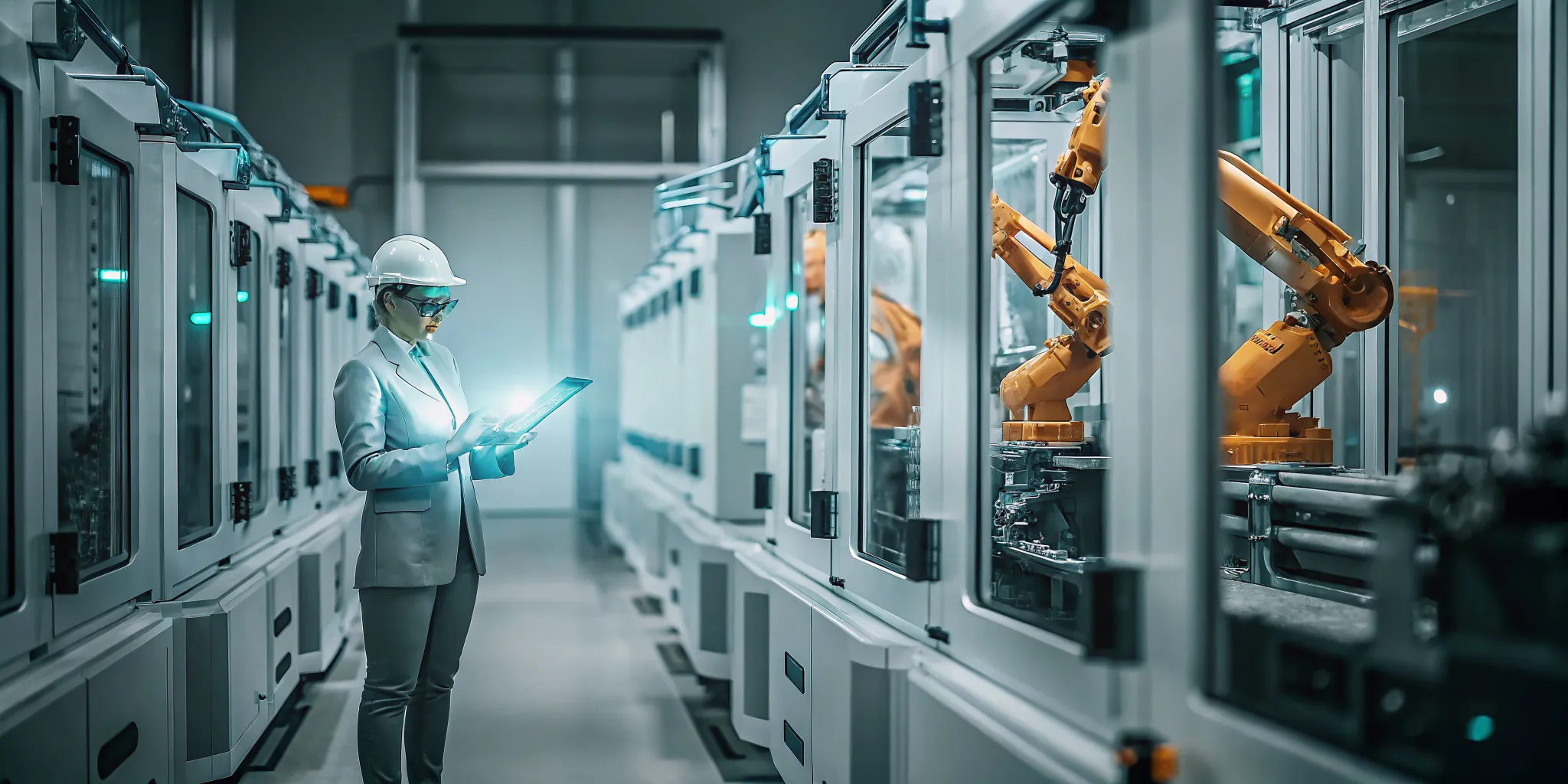
Your shop floor is generating a massive amount of data every second. The question is, are you using it? Digital manufacturing is the practice of capturing that information and turning it into your greatest asset. It’s about breaking down the silos between your machines, your software, and your team to get a clear, real-time picture of your entire production process. Instead of relying on historical reports and guesswork, you can spot inefficiencies as they happen and optimize workflows on the fly. This strategic approach is what separates thriving businesses from the rest, and leading digital manufacturing companies are focused on delivering the solutions needed to make this data-driven approach a reality.
Key Takeaways
- Think strategy, not just technology: Digital manufacturing connects your entire operation, from the shop floor to the front office. This integration breaks down information silos and empowers your team to make smarter decisions based on real-time data.
- Combine key technologies for a complete view: A smart factory isn’t built on one tool. It’s the combination of IoT for live data collection, AI for predictive analysis, and cloud computing for secure data management that gives you full operational visibility and control.
- Prepare for the practical side of implementation: A successful digital transition goes beyond the tech. Create a clear plan to integrate systems, manage cybersecurity risks, and invest in training to close skill gaps and get your entire team on board with the change.
What is Digital Manufacturing?
Digital manufacturing is about using technology to connect every part of your production process, from the initial design to the final product. Think of it as the brain connecting all the moving parts on your shop floor. By integrating digital tools, you can make your operations more efficient, flexible, and ready to handle whatever the market throws at you. This approach, often called Industry 4.0, moves manufacturing from a series of separate steps into a single, cohesive, and intelligent system. It’s about using data to make smarter decisions, automate repetitive tasks, and get a clear, real-time picture of what’s happening in your facility at all times.
Defining Digital Manufacturing
At its core, digital manufacturing means weaving technology into the fabric of your production process. It’s not just about adding a few new machines; it’s about creating a fully integrated environment where data flows freely between equipment, software, and people. This allows you to monitor progress, spot potential issues before they become major problems, and adapt quickly to changes in demand or supply. The goal is to build a more resilient and productive operation. By connecting your systems, you can streamline workflows, reduce waste, and ensure that every part of your plant is working together toward the same objective: delivering high-quality products on time and within budget.
How It Differs from Traditional Methods
Traditional manufacturing often operates in silos. The design team works separately from the production floor, and machine operators might not have insight into the overall schedule. Digital manufacturing breaks down these walls by merging information technology (IT) with operational technology (OT). This creates a connected system where data from the shop floor is instantly available to decision-makers. Instead of relying on manual tracking and historical reports, you get live information. This real-time visibility allows for better production scheduling and helps you manufacture products at a lower cost by identifying and eliminating inefficiencies as they happen.
The Shift Toward Digital Transformation
Making the switch to digital manufacturing is no longer just an experiment for forward-thinking companies; it has become a core part of operational strategy. The focus has moved beyond simply digitizing a few processes and toward creating a scalable, intelligent system. Successful manufacturers are implementing smart supply chains, using AI to predict maintenance needs, and embedding cybersecurity into their operations. This transformation is about more than just technology. It’s a strategic shift that uses data analytics to drive continuous improvement and empower your team with the insights they need to make informed decisions that move the business forward.
What Technologies Drive Digital Manufacturing?
Digital manufacturing isn’t a single piece of tech; it’s a suite of interconnected tools that work together to make your operations smarter, faster, and more efficient. Think of it as the nervous system of the modern factory, where data flows freely between machines, software, and people. These technologies are the building blocks of Industry 4.0, transforming traditional production lines into highly responsive and intelligent ecosystems. From sensors that give you a real-time pulse on your shop floor to AI that predicts issues before they happen, each component plays a crucial role in creating a fully connected enterprise. By integrating these tools, you can move from reactive problem-solving to proactive optimization, ensuring you deliver quality work on time, every time.
Using IoT for Real-Time Monitoring
The Industrial Internet of Things (IIoT) is all about connecting your machinery to a network. By placing internet-connected sensors on your equipment, you can gather real-time data on everything from temperature and vibration to output and cycle times. This creates a constant stream of information, giving you a clear view of what’s happening on the factory floor at any moment. This level of insight is exactly what you need for effective machine monitoring, allowing you to spot inefficiencies, track job progress, and make data-driven decisions on the fly instead of waiting for end-of-shift reports. It provides what experts call “improved visibility for machine performance,” turning your shop floor into an open book.
Applying AI and Machine Learning
Once you have all that data from your IoT devices, what do you do with it? That’s where artificial intelligence (AI) and machine learning come in. These technologies act as the brain of your operation, analyzing patterns in the data to predict future outcomes. For example, AI can anticipate when a machine is likely to fail, allowing you to schedule maintenance before a costly breakdown occurs. It also strengthens your operational security by making it a routine part of daily decisions rather than a separate task. By applying smart algorithms, you can turn raw numbers into actionable insights with powerful data analytics that improve everything from production schedules to quality control.
Creating Digital Twins for Simulation
Imagine having a perfect virtual replica of your entire factory floor that you can experiment with risk-free. That’s the concept behind a digital twin. This technology creates a dynamic, digital model of a physical asset or system, updated in real time with data from IoT sensors. You can use it to simulate the impact of a new production schedule, test different machine configurations, or train employees without ever disrupting actual operations. This convergence of informational technology (IT) and operational technology (OT) creates a powerful cyber-physical environment where you can optimize processes and solve problems in the virtual world before implementing them in the real one.
Leveraging 3D Printing and Additive Manufacturing
Additive manufacturing, commonly known as 3D printing, is changing how products are designed, prototyped, and produced. Instead of cutting material away (subtractive manufacturing), this process builds objects layer by layer from a digital file. This allows for the creation of incredibly complex geometries that would be impossible with traditional methods. Manufacturers use it for everything from rapid prototyping to producing custom, on-demand parts for customers or internal repairs. With solutions like digital design and simulation, you can perfect a part on-screen and have a physical version in your hands in a matter of hours, not weeks, dramatically speeding up innovation cycles.
Harnessing Cloud Computing and Data Analytics
A smart factory generates an enormous amount of data, and you need a place to store, process, and analyze it all. Cloud computing provides the scalable and secure infrastructure required to handle this information. By moving data off-site to the cloud, you gain the flexibility to access it from anywhere and the computing power to run sophisticated analytics without investing in massive on-premise servers. Manufacturers value the cloud for its advanced security and scalability, which aligns perfectly with the goal of integrating digital systems efficiently. The cloud is the foundation that makes real-time data collection and deep analysis possible for businesses of any size.
Integrating Advanced Robotics and Automation
Robotics in digital manufacturing goes far beyond the simple, repetitive arms you might picture. Today’s advanced robots are often equipped with AI and machine vision, allowing them to perform complex tasks and adapt to changing environments. Collaborative robots, or “cobots,” are designed to work safely alongside human employees, taking over strenuous or tedious tasks to improve both productivity and worker ergonomics. As these advanced technologies become more integrated, they fundamentally change how manufacturing operates. With the right scheduling software, you can ensure these automated systems work in perfect harmony with the rest of your production line.
Who Are the Leaders in Digital Manufacturing?
When we talk about leaders in digital manufacturing, it’s not just about the biggest names. It’s about the companies, both large and specialized, that are genuinely pushing the industry forward. Some are giants in industrial automation, creating fully connected smart factories. Others are masters of a specific craft, developing software that solves critical, everyday challenges on the shop floor. The right partner for your business depends entirely on the problems you’re trying to solve.
The companies leading the charge are the ones making digital technologies accessible and practical. They are transforming abstract concepts like IoT, AI, and data analytics into tangible tools that reduce waste, streamline operations, and help teams make smarter decisions. From massive robotics integrations to intuitive scheduling software, these innovators are building the foundation for the future of manufacturing. Below, we’ll look at a few key players and the unique strengths they bring to the table, helping you understand the landscape and find the solutions that best fit your goals.
JobPack: Mastering Production Scheduling and Shop Floor Management
While some companies focus on enterprise-level systems, JobPack excels at the heart of the factory: the shop floor. They specialize in creating highly effective and visually intuitive software for production scheduling and management. Their tools are designed to bring clarity to complex operations, helping manufacturers optimize workflows, monitor progress in real time, and ensure jobs are completed on time and within budget. By focusing on practical solutions that empower teams on the ground, JobPack helps businesses improve efficiency where it matters most, turning raw data into actionable insights for smarter production.
Siemens: Innovating in Industrial Automation
Siemens is a powerhouse in the digital manufacturing space, widely recognized for its work in creating comprehensive digital factory solutions. They are known for their ability to seamlessly integrate advanced technologies across the entire manufacturing process, from design and engineering to production and services. Siemens has earned its reputation by helping companies build highly automated and efficient operations. Their focus on creating a complete digital thread allows manufacturers to simulate, test, and optimize their processes in a virtual environment before ever touching a physical product, which is a major step forward in industrial innovation.
General Electric: Powering Digital Industrial Solutions
General Electric (GE) has made significant strides by focusing on the power of data and analytics, particularly through its use of “digital twins.” A digital twin is a virtual, living model of a physical asset or system that learns and adapts based on real-world data. GE uses this technology to help customers monitor, predict, and optimize the performance of their industrial equipment. By analyzing data from smart devices and applications, they provide insights that lead to better operational decisions, reduced downtime, and improved asset longevity, making them a key player in the industrial internet of things (IIoT).
Rockwell Automation: Building the Connected Enterprise
Rockwell Automation is dedicated to helping manufacturers build what they call “The Connected Enterprise.” Their approach centers on creating a fully integrated production environment where everything from machinery to management systems is interconnected. They develop advanced control systems that allow for real-time operational monitoring, helping to drastically reduce downtime. By incorporating robotics and AI, their solutions can identify potential problems before they occur, enabling proactive maintenance and a smoother, more predictable production flow. This focus on connectivity helps businesses become more agile and responsive to changing demands.
ABB: Integrating Robotics and AI
ABB is a global leader in robotics and automation, with a strong focus on making manufacturing more sustainable and efficient. They are at the forefront of integrating AI with robotics to create systems that are not only powerful but also easier to program and use. ABB is heavily invested in developing the next generation of collaborative robots and digital solutions that can work alongside human teams safely and effectively. Their work is making advanced automation more accessible to a wider range of industries, helping companies improve productivity while reducing their environmental footprint.
SAP: Driving Decisions with ERP and Analytics
SAP is best known for its Enterprise Resource Planning (ERP) software, which serves as the central nervous system for many manufacturing businesses. They leverage this foundation to drive digital transformation across the entire supply chain. Using technologies like IoT and digital twins, SAP’s systems collect data directly from machines and processes, feeding it into powerful analytics platforms. This allows companies to gain deep insights into their operations, from inventory management to logistics. By providing a holistic view of the business, SAP empowers leaders to make informed, data-driven decisions that improve efficiency and sustainability.
Which Industries Benefit Most from Going Digital?
Digital manufacturing is making waves across the board, but some industries have seen a particularly profound impact. The shift from traditional methods to smart, connected systems isn’t just about upgrading technology; it’s about fundamentally changing how products are designed, produced, and delivered. For sectors where precision, speed, and customization are critical, going digital is no longer an option, it’s a necessity for staying competitive.
From automotive assembly lines to the production of life-saving medical devices, digital tools are solving long-standing challenges. They allow for greater flexibility, higher quality control, and a much faster response to market demands. By integrating technologies like IoT, AI, and advanced analytics, companies in these key industries are not only improving their own operations but also setting new standards for what’s possible in manufacturing. Let’s look at a few of the sectors leading the charge.
Automotive
The automotive industry is a prime example of digital manufacturing in action. To keep up with intense competition and consumer demand for innovation, companies are embracing automation and data-driven processes. Major players like Tesla and Volvo are using AI and automation to create more efficient factories, which leads to streamlined operations and faster production cycles. This digital approach allows them to build complex vehicles with incredible precision and consistency. By implementing real-time machine monitoring, automotive manufacturers can predict maintenance needs, reduce downtime, and ensure every part meets exact specifications, keeping the assembly line moving smoothly.
Healthcare and Medical Devices
In the healthcare field, there is no room for error. Digital manufacturing is transforming how medical devices are made, enabling a new level of precision and personalization. For example, companies can now speed up the development of everything from surgical tools to custom implants, moving quickly from early testing to final production. This agility is crucial for getting life-saving products to market faster. With robust shop floor data collection, manufacturers can maintain detailed production records, ensuring full traceability and compliance with strict regulatory standards like those from the FDA.
Aerospace and Defense
The aerospace and defense sectors operate under immense pressure to produce parts that are both lightweight and incredibly strong. Digital manufacturing technologies are essential for meeting these demands. Companies like GE Aviation use advanced methods like 3D printing and simulation to create complex, flight-certified parts that were once impossible to make. This not only improves performance but also enhances efficiency and safety. In this industry, every detail matters, and leveraging powerful data analytics helps engineers and production managers analyze performance, refine processes, and guarantee that every component meets the highest quality standards.
Consumer Products
Today’s consumers want products that are tailored to their specific needs and preferences. The consumer products industry uses digital manufacturing to meet this demand head-on. This approach allows companies to offer a wide variety of product versions and custom options without slowing down production. It makes processes like rapid prototyping and on-demand manufacturing possible, so businesses can quickly test new ideas and adapt to changing trends. By adopting a flexible production scheduling system, companies can easily manage complex orders, optimize resource use, and deliver customized products to happy customers on time.
What Are the Challenges of Digital Implementation?
Making the switch to digital manufacturing is a game-changer, but it’s not as simple as flipping a switch. This kind of fundamental change comes with its own set of hurdles. Think of it less like a sprint and more like a marathon that requires careful planning and a solid strategy. The most common challenges aren’t just about technology; they involve your data, your people, and your company culture. This shift has moved decisively from a nice-to-have experiment into the core of operational strategy, becoming a structural requirement for staying competitive in the modern market.
From connecting legacy systems that were never designed to speak to one another to ensuring your operations are secure from new cyber threats, the path requires attention to detail. You also have to consider the financial investment and how you’ll measure its return, all while bringing your team along on the journey. It’s about fundamentally redesigning your operating model using digital capabilities and real-time data to inform every decision. Recognizing these potential roadblocks is the first step toward creating a smooth and successful transition. The key is to approach them with a clear plan, which is where a partner like JobPack can make all the difference.
Integrating Disparate Data and Systems
One of the first walls many manufacturers hit is data integration. Your facility likely runs on several different systems: an ERP for finances, maybe a separate CRM for sales, and various machines on the shop floor, each generating its own data. The problem is that these systems often operate in silos, creating isolated pockets of information. To get a true, real-time view of your operations, you need to bring all that information together. This process involves creating a connected ecosystem where data flows freely between platforms. The goal is to establish a single source of truth that gives you a complete picture, from initial order to final delivery. Effective shop floor data collection is the foundation for this, ensuring that the information you’re using to make decisions is accurate, timely, and comprehensive.
Managing Cybersecurity Risks
As you connect more devices and systems to your network, you also create more potential entry points for security threats. The risk in manufacturing isn’t just about stolen data; a cyberattack could disrupt or halt production, leading to significant downtime and financial loss. Cybersecurity can no longer be an afterthought handled solely by the IT department. It needs to be a core part of your operational strategy. This means building security into your digital framework from the very beginning. As your reliance on connected systems grows, so does the need for a secure infrastructure to protect your operations, your intellectual property, and your customers’ data. Implementing robust protections is a critical part of embracing Industry 4.0 and safeguarding your facility’s future.
Closing Workforce Skill Gaps
New technology requires new skills. Implementing advanced software, robotics, and data analytics tools means your team needs to know how to use them effectively. Many companies find there’s a gap between their current workforce’s skills and the new competencies required to manage a digital manufacturing environment. This isn’t about replacing people; it’s about empowering them. Closing this gap involves investing in training and development to upskill your existing employees. It also means choosing intuitive tools that don’t require a degree in data science to operate. When your team can confidently use new systems to capture and analyze real-time data, they can make smarter decisions that improve production and efficiency. The human element is just as important as the technology itself.
Calculating Implementation Costs and ROI
Adopting digital manufacturing technologies is a significant financial investment. The cost of new software, hardware, and training can be substantial, and it’s not always easy to calculate a precise return on investment (ROI) from the outset. This can make it challenging to get the necessary budget approval from leadership, who need to see a clear path to profitability. However, it’s helpful to reframe this as a structural requirement for staying competitive, not just an optional innovation expense. To build a strong business case, focus on tangible outcomes. You can demonstrate value by tracking improvements in key metrics like on-time delivery rates, machine uptime, and scrap reduction. Reading through case studies from similar companies can also provide concrete examples of the financial benefits.
Overcoming Organizational Resistance to Change
Sometimes the biggest challenge isn’t the technology, but the people. Employees may be comfortable with existing workflows and resistant to new processes, especially if they fear that automation will threaten their jobs. If your team doesn’t understand or support the transition, even the best technology will fail to deliver results. That’s why managing organizational change is so critical. Success depends on getting buy-in from everyone, from the executive suite to the shop floor. This starts with clear communication from leadership about why the changes are being made and how they will benefit both the company and its employees. When digital transformation becomes part of the core strategy and everyone feels included in the process, you create a culture that is ready to adapt and grow.
Related Articles
- Why Paperless Is the Future of Production Floor Scheduling – Shop Floor Management Software – JobPack
- How Integrated DNC Systems Boost Manufacturing Efficiency – Shop Floor Management Software – JobPack
- paperless manufacturing Archives – JobPack
- Industry 4.0 Technologies: Key Trends & Tools for Digital Success | JobPack
- How JobPack Empowers You to Scale Your Manufacturing Business – Shop Floor Management Software – JobPack
Frequently Asked Questions
This all sounds great, but where do I even begin? The best approach is to start small and focus on your biggest challenge. Instead of trying to overhaul your entire operation at once, identify the one area that causes the most headaches. Is it unpredictable machine downtime or a constantly shifting production schedule? Begin by implementing tools that give you clear, real-time data on that specific problem. This creates an immediate win and builds a solid foundation of accurate information you can use for bigger projects later.
Is digital manufacturing only for large corporations? Absolutely not. While large companies often make headlines, the core principles of digital manufacturing are scalable to any size operation. The goal is to use data to become more efficient, which is just as important for a small job shop as it is for a massive automotive plant. You can start with targeted, affordable solutions that solve a specific problem, like scheduling software, without needing a multi-million dollar budget.
What’s the difference between digital manufacturing and just adding more automation? Think of it this way: automation helps a single machine or task run independently. Digital manufacturing connects all of your machines, processes, and people into a single, intelligent network. Automation might be a robotic arm that performs a weld, while digital manufacturing is the system that schedules that job, monitors the robot’s performance, and alerts you to potential issues before they cause a delay. Automation is a component; digital manufacturing is the complete, connected system.
With so many new technologies, which one gives the most immediate value? Instead of getting caught up in buzzwords like AI or digital twins, focus first on visibility. The most valuable starting point is gaining a clear, accurate, and real-time understanding of what is actually happening on your shop floor. Technologies that provide shop floor data collection and machine monitoring offer the most immediate return. They turn guesswork into facts, allowing you to make smarter decisions about scheduling and resource management right away.
How does a system like JobPack fit into this bigger picture? JobPack provides the practical, foundational tools for your digital transition. It focuses directly on the heart of your factory: managing the shop floor. By giving you clear, visual control over production scheduling and real-time data from your machines, it helps you solve immediate challenges like bottlenecks, downtime, and late deliveries. It’s the step that turns the abstract concept of “data” into the actionable information your team needs to get work done on time and on budget.