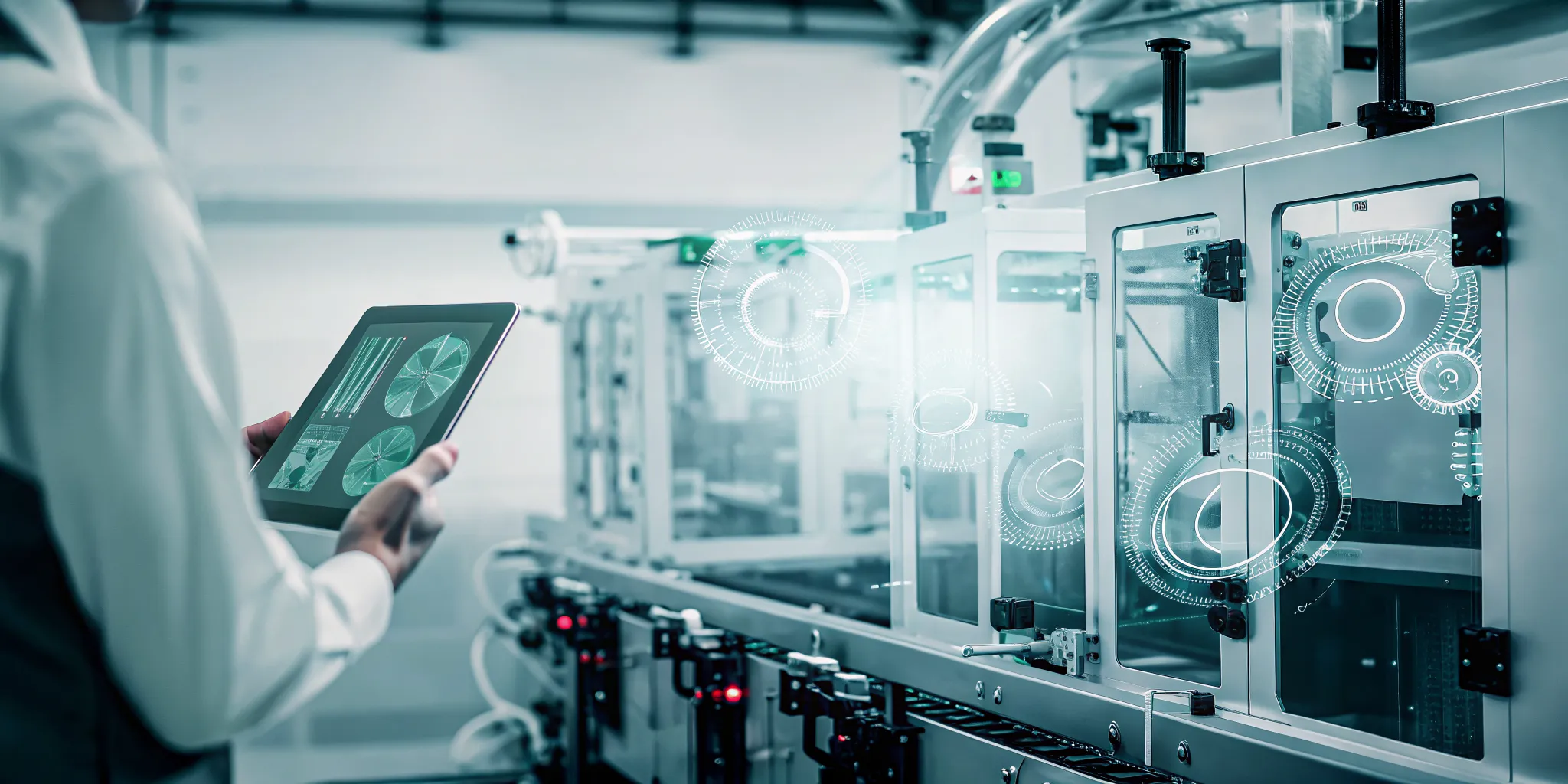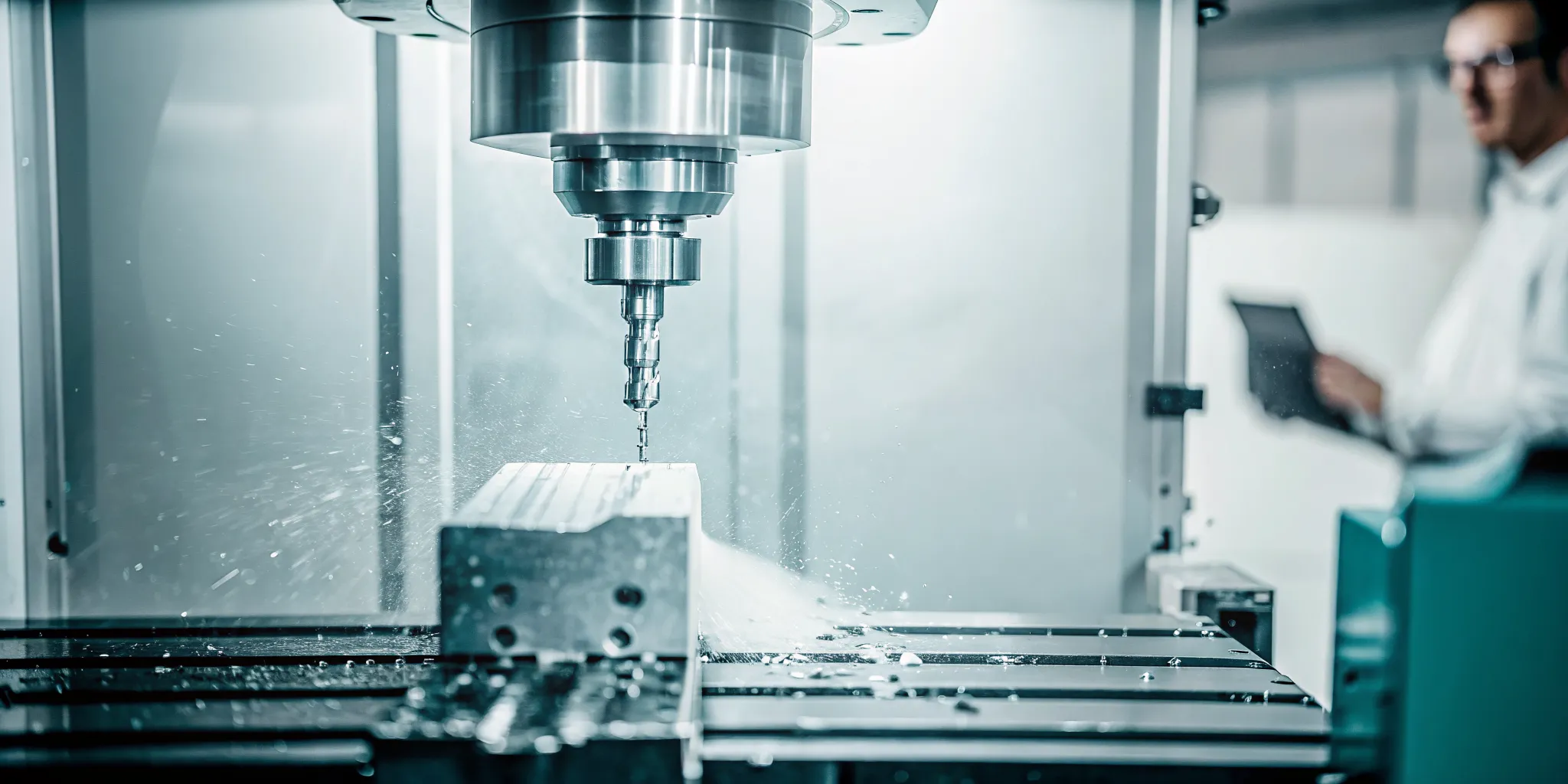

What if your machines could tell you exactly what they need, right when they need it? What if they could report their own progress, flag potential issues before they cause a shutdown, and show you precisely where bottlenecks are forming? That’s the core idea behind machine performance monitoring. It’s a system that gives your shop floor a voice, translating the complex language of cycle times, temperatures, and uptimes into clear, actionable insights. This isn’t about adding more complexity; it’s about gaining clarity. We’ll explore how this technology works and how it empowers your team to make smarter, faster decisions that improve your bottom line.
Key Takeaways
- Make decisions with data, not guesswork: Machine monitoring captures live information from your equipment and presents it as clear, practical analytics, giving you a factual basis for improving your production process.
- Start with a clear plan for a smooth rollout: Define your goals first, then implement monitoring in phases, starting with a few key machines. This approach helps you demonstrate early wins and get your team comfortable with the new system.
- Turn monitoring into a long-term habit: The real value comes from consistent use. Automate your data collection, set clear tracking rules for everyone, and use the insights you gather to continuously refine and improve your shop floor operations.
What Is Machine Performance Monitoring?
Think of machine performance monitoring as giving your shop floor a voice. It’s the process of using technology to listen to what your machines are doing, how they’re performing, and what they need, all in real time. This is done by collecting data directly from your equipment on the factory floor, tracking everything from cycle times and part counts to uptime and downtime. This isn’t just about gathering numbers; it’s about transforming raw data into a clear, immediate picture of your entire production process.
Effective machine monitoring extracts, stores, and displays this information in a way that’s easy to understand. It allows your team to move from guesswork to certainty. Instead of wondering why a job is behind schedule, you can see the exact machine that’s underperforming or has stopped running. This continuous flow of information is the foundation for improving efficiency, hitting deadlines, and making smarter decisions that impact your bottom line. It’s the first step toward a more connected and productive manufacturing environment.
The Core Components
At its heart, a machine monitoring system is made up of three key elements working together: sensors, software, and connectivity. First, sensors are the data collectors. These small but mighty devices are attached to your manufacturing equipment to capture real-time information, like how long a machine is running or when it stops. Next, software takes this raw data and translates it into meaningful insights. It organizes the information into dashboards and reports that show you key performance metrics at a glance. Finally, connectivity is what links everything, allowing the data to travel seamlessly from the sensors on your machines to the software your team uses every day.
Why It Matters for Your Shop Floor
So, why is this so important for your day-to-day operations? Because it gives you control. With real-time production monitoring, you can identify machine faults the moment they happen, not hours later. This allows for faster repairs, which drastically reduces unplanned downtime and keeps your production lines moving smoothly. It also helps maintain consistent product quality. By tracking process standards as they happen, you can ensure every part is made to spec, leading to less waste and fewer defects. This level of insight turns raw data into powerful data analytics that drive real production savings and a more predictable workflow.
How Does Machine Performance Monitoring Work?
So, how does a system actually keep tabs on your equipment? It’s not magic, just smart technology working in a clear, three-step process. First, it gathers information directly from your machines as they run. Next, it uses modern connectivity to send that data where it needs to go. Finally, it translates all those numbers into clear, practical insights you can use to make decisions. Let’s break down each of these steps so you can see how it all comes together on your shop floor.
Collecting Data in Real Time
The process starts right at the source: your machines. Machine monitoring systems use sensors and direct connections to pull data straight from your equipment while it’s operating. This isn’t about checking in at the end of a shift; it’s about continuous, live information. The system captures everything from cycle times and part counts to machine status (running, idle, or down) and error codes. This constant stream of information provides a true-to-the-second picture of what’s happening. Effective shop floor data collection is the foundation for understanding and improving your production processes.
Integrating with the Industrial Internet of Things (IIoT)
Once the data is collected, it needs to be shared. This is where the Industrial Internet of Things (IIoT) comes in. Think of it as a secure network connecting all the equipment on your shop floor. The sensors and devices on your machines use this network to send their real-time data to a central system. This connectivity is a core principle of Industry 4.0, where physical production and smart digital technology merge. By linking your machines, you create a cohesive, data-rich environment where information flows freely from the equipment to your management software.
Turning Raw Data into Actionable Insights
Raw data on its own is just a collection of numbers. The real power of machine monitoring lies in turning that data into something useful. The software takes the constant stream of information and translates it into easy-to-understand dashboards, reports, and alerts. Instead of a spreadsheet of cycle times, you see a clear visualization of your Overall Equipment Effectiveness (OEE). This allows you to spot bottlenecks, identify underperforming machines, and predict maintenance needs before a breakdown occurs. With the right data analytics, you can move from reacting to problems to proactively improving your entire operation.
What Data Should You Collect?
Once you have a system in place, the next question is what to measure. The goal isn’t to drown in data, but to gather the specific information that helps you make smarter decisions. While the exact metrics will depend on your industry and equipment, most valuable data falls into a few key categories. Effective machine monitoring uses technology to collect data directly from your equipment, giving you a clear picture of how well your machines are performing and if they are healthy.
Think of it like a check-up for your equipment. You want to know its vital signs, how efficiently it’s working, and if there are any underlying issues. By focusing on the right metrics, you can move from simply collecting data to using it as a strategic tool. This targeted approach ensures you get the insights you need to improve production, reduce waste, and keep your operations running smoothly. Let’s break down the most important types of data to collect from your shop floor.
Key Performance Indicators (KPIs) to Track
Key Performance Indicators, or KPIs, are the high-level metrics that tell you how effectively you’re meeting your main production goals. The most widely recognized KPI in manufacturing is Overall Equipment Effectiveness (OEE). OEE measures the percentage of planned production time that is truly productive. It’s calculated by looking at three factors: Availability (how often the machine is running when it’s supposed to be), Performance (how close it is to its top speed), and Quality (how many good parts it produces). Tracking OEE gives you a comprehensive benchmark for your entire operation and helps you pinpoint your biggest losses with powerful data analytics.
Operational and Quality Metrics
Beyond high-level KPIs, you need to track the day-to-day operational data that feeds into them. This is where you get the granular details about what’s happening on the floor. This data helps your factory run better by tracking how long machines run, how long they are stopped, how much they produce, and their overall health. Key metrics include cycle times, production counts (both good parts and scrap), and the reasons for downtime. By collecting this information in real time, you can immediately spot bottlenecks, address quality control issues as they happen, and understand the true causes of production delays instead of relying on guesswork.
Energy Consumption and Utilization
An often-overlooked but incredibly valuable metric is energy consumption. Monitoring how much energy each machine uses can reveal major opportunities for cost savings. Spikes in energy use can also be an early warning sign that a machine needs maintenance before a serious breakdown occurs. Tracking this data helps you measure how efficient your equipment is and identify which machines are energy hogs. Over time, this information allows you to make more informed decisions about equipment upgrades, production scheduling, and operational changes, all while supporting your company’s sustainability efforts and reducing your utility bills.
The Benefits of Machine Performance Monitoring
When you track machine performance, you move from guessing to knowing. Instead of reacting to problems after they’ve cost you time and money, you can start anticipating them. The real power of machine monitoring isn’t just in the data, but in how you use it to make tangible improvements on your shop floor. By understanding exactly how your equipment operates, you can reduce downtime, streamline processes, and make strategic decisions with confidence. It’s about creating a more predictable, efficient, and profitable manufacturing environment.
Predict Maintenance and Reduce Downtime
Unexpected machine breakdowns are a major disruptor to any production schedule. Machine monitoring helps you shift from reactive repairs to proactive maintenance. By tracking metrics like temperature, vibration, and cycle times, the system can spot subtle changes that signal a potential failure. This gives you an early warning to schedule maintenance before a machine breaks down. This approach saves money on emergency repairs and keeps production moving smoothly. With real-time machine monitoring, you can plan downtime on your terms, ensuring minimal impact on your output and delivery dates.
Improve Efficiency and Cut Costs
Do you know which machines are your top performers or where hidden bottlenecks are slowing you down? Machine monitoring provides clear answers. The data from your shop floor helps you see the complete picture of your production efficiency. You can pinpoint inactivity, identify processes that take too long, and understand your true capacity. Armed with this information, you can optimize workflows, improve your production scheduling, and reduce waste. Over time, these small, data-backed adjustments add up to significant cost savings and a stronger bottom line.
Make Smarter, Data-Driven Decisions
Relying on gut feelings for critical business decisions is risky. Machine monitoring replaces guesswork with hard facts. Using real-time data, you can stop reacting to problems and start preventing them. The insights you gain allow you to accurately quote jobs, invest in the right equipment, and identify training opportunities for your team. This level of data analytics empowers everyone, from the shop floor operator to the CEO, to make informed choices that drive the business forward. It creates a culture of continuous improvement where every decision is backed by clear evidence.
The Technology Behind Machine Monitoring
So, how does a machine monitoring system actually pull all this information together? It’s not magic, but it is a smart combination of hardware and software working in sync. Think of it as a three-part system: one part collects the data, another analyzes it, and the last part presents it to you in a way that makes sense. This technology is what transforms the constant hum of your shop floor into clear, actionable information that helps you make better decisions about scheduling, maintenance, and overall workflow.
At its core, machine monitoring uses sensors, software, and network connectivity to gather real-time data directly from your equipment. This setup allows you to see exactly what’s happening with each machine, from its current operational status to subtle performance changes over time. By connecting these physical assets to a digital network, you create a transparent production environment where problems can be spotted and addressed immediately. This digital transformation is a cornerstone of modern manufacturing, often referred to as Industry 4.0, where data drives every decision. Let’s break down the key components that make this possible.
IoT Sensors and Connectivity
The foundation of any machine monitoring system is its ability to collect data. This is where Internet of Things (IoT) sensors come in. These small but powerful devices are the eyes and ears on your shop floor, attaching to your equipment to track everything from temperature and vibration to cycle times and output counts. They are designed to capture specific metrics and transmit them wirelessly. This constant stream of information is then sent over a secure network, ensuring the data from every connected machine is centralized for analysis. This connectivity is what allows you to move from manual tracking and guesswork to automated, precise data collection.
AI-Powered Platforms and Analytics
Once the sensors collect the raw data, it needs to be interpreted. A long list of numbers doesn’t do you much good on its own. This is where artificial intelligence (AI) and advanced analytics platforms step in. These systems act as the brain of the operation, sifting through massive amounts of data to identify patterns, trends, and anomalies that a human might miss. An AI-driven platform can turn raw data into predictive insights, alerting you to potential machine failures before they happen. This powerful data analytics capability helps you make proactive maintenance decisions and refine your production schedules for maximum efficiency.
Cloud-Based Dashboards and Reporting
All the data and analysis in the world is only useful if you can easily access and understand it. Cloud-based dashboards solve this problem by visualizing complex information through intuitive charts, graphs, and reports. Because the platform is on the cloud, you and your team can access real-time production data from anywhere, whether you’re on the shop floor or in a meeting. This accessibility allows managers to monitor performance, track KPIs, and make informed decisions on the fly. You can see how other manufacturers have used these tools to improve their operations by looking at different case studies.
Overcoming Common Implementation Hurdles
Adopting any new technology on the shop floor can feel like a massive undertaking. It’s completely normal to have questions about how it will all come together. While implementing a machine performance monitoring system does have its challenges, they are far from insurmountable. In fact, with a bit of planning, you can sidestep the most common roadblocks and set your team up for a smooth transition. The key is to see this as a strategic business improvement, not just a tech project.
Thinking through the process ahead of time helps you anticipate needs and find the right partner to guide you. Most of the hurdles fall into three main categories: integrating with the equipment you already own, ensuring your data and network are secure and reliable, and planning for the investment and its return. By tackling these head-on, you can build a solid foundation for a system that delivers real value from day one. The right approach turns potential problems into simple items on a checklist, paving the way for a more efficient and data-driven operation. This is where choosing a partner with deep industry experience makes all the difference in your path to success.
Integrating with Legacy Systems
Most manufacturing floors are a mix of the old and the new. You likely have trusted, older machines working alongside brand-new equipment. A major concern is how to get a modern monitoring system to communicate with these legacy systems without a costly and disruptive overhaul. This is a very common smart factory implementation issue, but it’s one with a clear solution.
The best monitoring platforms are designed with flexibility in mind. They use hardware and software that can connect to a wide variety of machines, regardless of age or brand. The goal is to unify your shop floor data collection into one system, not to force you to replace perfectly good equipment. Look for a solution that can adapt to your shop, not the other way around.
Addressing Security and Connectivity
Connecting your machines to a network naturally raises questions about security and connectivity. You need to be confident that your sensitive production data is protected and that the data stream from your machines is constant and reliable. Spotty Wi-Fi or concerns about cybersecurity are valid, and these are known challenges in remote machine monitoring.
A reputable provider will prioritize security from the ground up, using data encryption and secure access protocols to keep your information safe. On the connectivity side, the solution often involves planning your network infrastructure to ensure strong, stable connections where they’re needed most. This might involve using wired connections for critical machines or setting up dedicated wireless access points to guarantee uptime and consistent data flow.
Planning for Cost and ROI
Let’s talk about the bottom line. There is an upfront investment in implementing a machine monitoring system, and it’s important to plan for it. However, the conversation shouldn’t stop at cost. It should focus on the return on that investment (ROI). The entire point of monitoring is to make your operation more profitable by identifying inefficiencies that are costing you money every single day.
By providing accurate, real-time data, a monitoring system helps you make faster, better-informed decisions that directly improve business productivity. You can pinpoint which machines are consuming too much energy, predict maintenance to avoid costly downtime, and optimize schedules to get more parts out the door. When you frame the investment against these tangible savings and efficiency gains, the ROI becomes clear.
Your Step-by-Step Implementation Plan
Bringing a new system onto your shop floor can feel like a huge undertaking, but it doesn’t have to be. Breaking the process down into manageable steps will help you build momentum and ensure a smooth transition for your entire team. Here’s a straightforward plan to get you started.
Set Clear Goals and Metrics
Before you do anything else, decide what you want to achieve. Are you trying to reduce unplanned downtime, improve cycle times, or get a better handle on machine health? Establishing clear goals is essential for measuring the success of your efforts. Start by identifying a few key performance indicators (KPIs) you want to improve. This focus ensures you’re collecting the right information and gives you a clear benchmark to measure progress against. With a system that provides real-time data analytics, you can easily track these metrics and see the impact of your changes.
Create a Phased Rollout Strategy
You don’t need to connect every machine on day one. Instead, create a step-by-step plan for putting your monitoring system in place. A phased rollout allows you to test and refine your approach on a smaller scale. Start with one or two of your most critical machines or a single production line. This lets you work out any issues, gather feedback from the team, and demonstrate early wins. Once you’ve proven the value and perfected the process, you can confidently expand the machine monitoring system across the rest of the shop floor.
Get Your Team on Board
New technology is only effective if people use it. Engaging your team early in the process is essential for securing the necessary support and resources. Talk to key decision-makers to get their approval and then focus on your shop floor operators. Provide comprehensive training to ensure everyone feels comfortable and equipped to use the new monitoring tools effectively. When your team understands how the system makes their jobs easier and contributes to the company’s success, they’ll be your biggest advocates. A great first step is to request a demo so everyone can see the software in action.
Best Practices for Long-Term Success
Implementing a machine performance monitoring system is a huge step forward, but the real magic happens when you build solid habits around it. To get the most out of your investment and drive lasting change, you need to focus on creating a sustainable process. It’s not about a one-time fix; it’s about building a framework for ongoing improvement. By focusing on a few key practices, you can turn your monitoring system from a simple tool into the engine that powers your shop floor’s efficiency and growth for years to come.
Automate Your Data Collection
Let’s be honest, manual data entry is a drag. It’s slow, prone to human error, and pulls your team away from more important tasks. The best way to get reliable insights is to take the manual work out of the equation. Modern manufacturing platforms can automate data collection at every stage of production, from machine uptime to cycle counts. This ensures that your managers and supervisors always have accurate, real-time information at their fingertips. By letting the system handle the data gathering, you free up your team to focus on what they do best: solving problems and making improvements based on what the numbers are telling them.
Establish Consistent Monitoring Protocols
To make sense of your data, you need consistency. If different shifts or departments are tracking metrics in their own way, you’ll end up comparing apples to oranges. It’s crucial to establish clear, consistent protocols for everyone to follow. This means defining exactly what you’re tracking, like work-in-progress, machine status, and overall performance. Real-time machine monitoring across all production lines allows you to spot bottlenecks and make informed decisions quickly. When everyone is on the same page, you create a reliable system where you can trust the data, compare performance over time, and identify trends with confidence.
Continuously Improve and Optimize
Machine monitoring isn’t a “set it and forget it” activity. The data you collect is a powerful tool for driving continuous improvement. Think of it as a cycle: monitor performance, analyze the insights, make a change, and then measure the impact. Leveraging these practices helps create a culture of optimization where your team is always looking for ways to get better. By using data analytics to align your shop floor activities with your company’s strategic goals, you can ensure that every small adjustment contributes to the bigger picture. This ongoing process is what turns good operations into great ones.
Start Improving Your Machine Performance Today
You’ve seen how machine performance monitoring can transform a shop floor from a place of guesswork into a hub of data-driven precision. It’s about more than just tracking metrics; it’s about creating a more efficient, predictable, and profitable operation. The journey from reactive problem-solving to proactive optimization begins with the decision to harness the data your machines are already generating. The good news is, you don’t have to build a system from scratch or become a data scientist overnight.
The right tools are designed to do the heavy lifting for you. JobPack’s machine monitoring solutions connect directly to your equipment, capturing real-time information on everything from cycle times to downtime causes. This automated data collection feeds directly into intuitive dashboards, giving your team the clarity needed to spot inefficiencies, anticipate maintenance needs, and keep production moving smoothly. Instead of wondering why a job is behind schedule, you’ll know exactly what’s happening on the floor at any given moment.
By turning raw data into clear, actionable information, you empower your team to make smarter decisions. Our data analytics tools help you identify trends and pinpoint the root causes of production bottlenecks, giving you a solid foundation for continuous improvement. Many of our clients are surprised to see how small, informed adjustments can lead to significant gains in productivity and cost savings. You can see some of their stories in our case studies.
If you’re ready to stop guessing and start knowing, the next step is to see how this technology applies to your specific environment. We can walk you through how JobPack works with your unique machines, processes, and goals. Request a personalized demo today to see firsthand how you can improve your machine performance and drive your business forward.
Related Articles
- Factory Performance Tracking: A Complete Guide
- Machine Monitoring for OEE: Boost Factory Performance | JobPack
- Machine Monitoring for Real-Time Shop Floor Insights | JobPack
- Real-Time Machine Monitoring: A Complete Guide
- machine monitoring Archives – JobPack
Frequently Asked Questions
My shop has a lot of older, legacy equipment. Can I still use a machine monitoring system? Absolutely. This is one of the most common concerns we hear, and the answer is almost always yes. Modern monitoring systems are designed to be flexible. They use a variety of sensors and connection methods that can pull data from nearly any machine, regardless of its age or manufacturer. The goal is to unify all your equipment under one system, giving you a complete picture of the shop floor without requiring you to replace perfectly good machines.
How is machine performance monitoring different from production scheduling? That’s a great question. Think of it this way: machine monitoring tells you what is happening on your shop floor right now, while production scheduling tells you what should be happening next. The two work together perfectly. The real-time data from monitoring, like accurate cycle times and unexpected downtime, feeds into your scheduling system. This makes your schedule more accurate, dynamic, and realistic.
Do I need to hire a data expert to make sense of all this information? Not at all. The entire purpose of a good machine monitoring platform is to do the heavy lifting for you. It takes the raw, complex data from your machines and translates it into clear, easy-to-understand visuals like dashboards and reports. The system is designed to give your current team, from operators to plant managers, the straightforward insights they need to make better decisions without needing a degree in data science.
What’s the most important metric to track when we’re just starting out? While Overall Equipment Effectiveness (OEE) is the ultimate goal, you don’t have to track everything at once. A great place to start is by simply focusing on machine status, which means tracking uptime versus downtime. Just by understanding how much time your machines are running versus sitting idle, and why they are down, you can uncover your biggest opportunities for improvement right away.
How long does it take to get a system like this up and running? The timeline can vary, but it’s faster than most people think because you don’t have to connect everything on day one. We recommend a phased approach, starting with a few of your most critical machines or a single production line. This allows your team to get comfortable with the system and see positive results quickly. From there, you can expand across the rest of the shop floor at a pace that makes sense for your business.