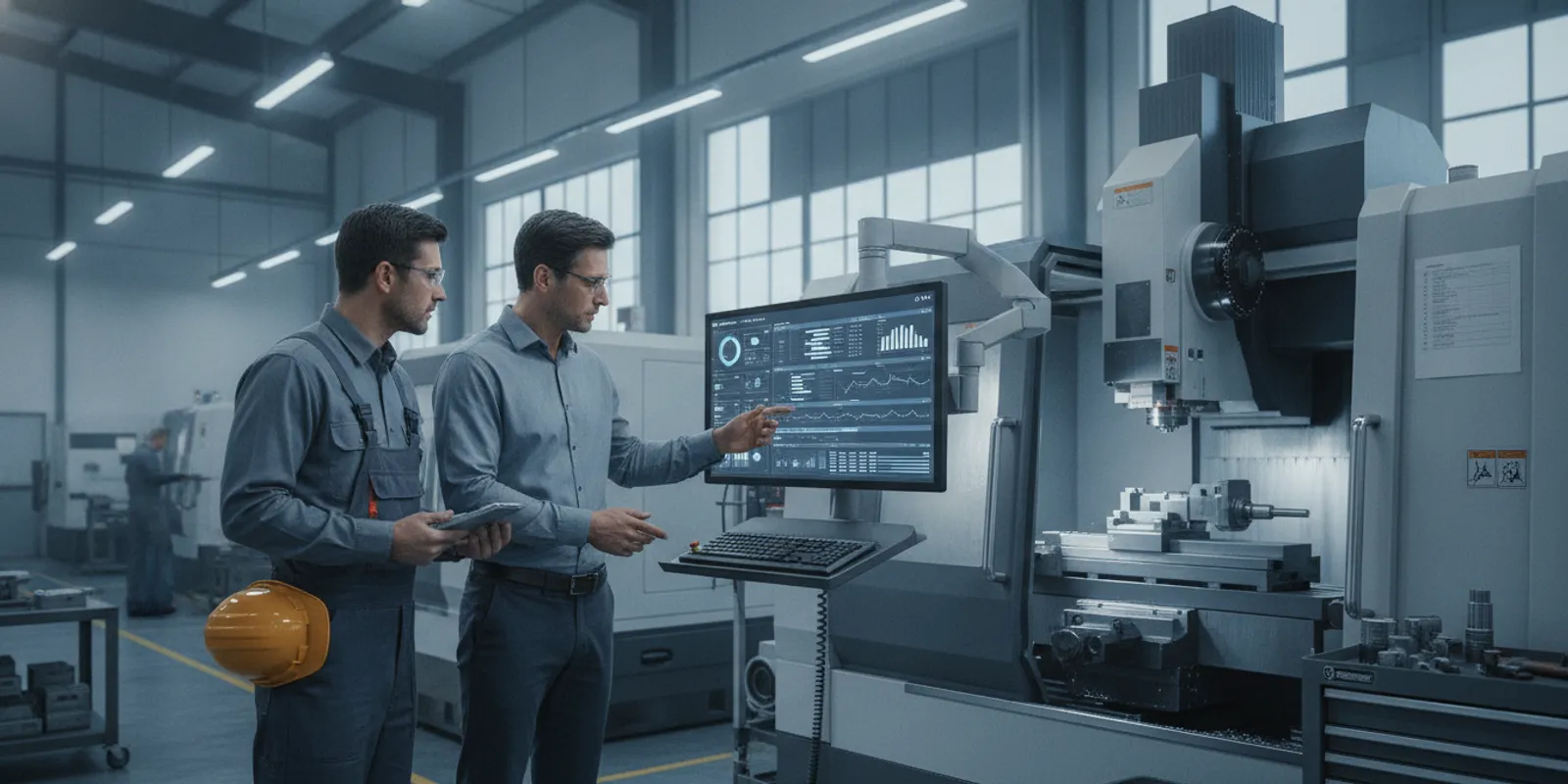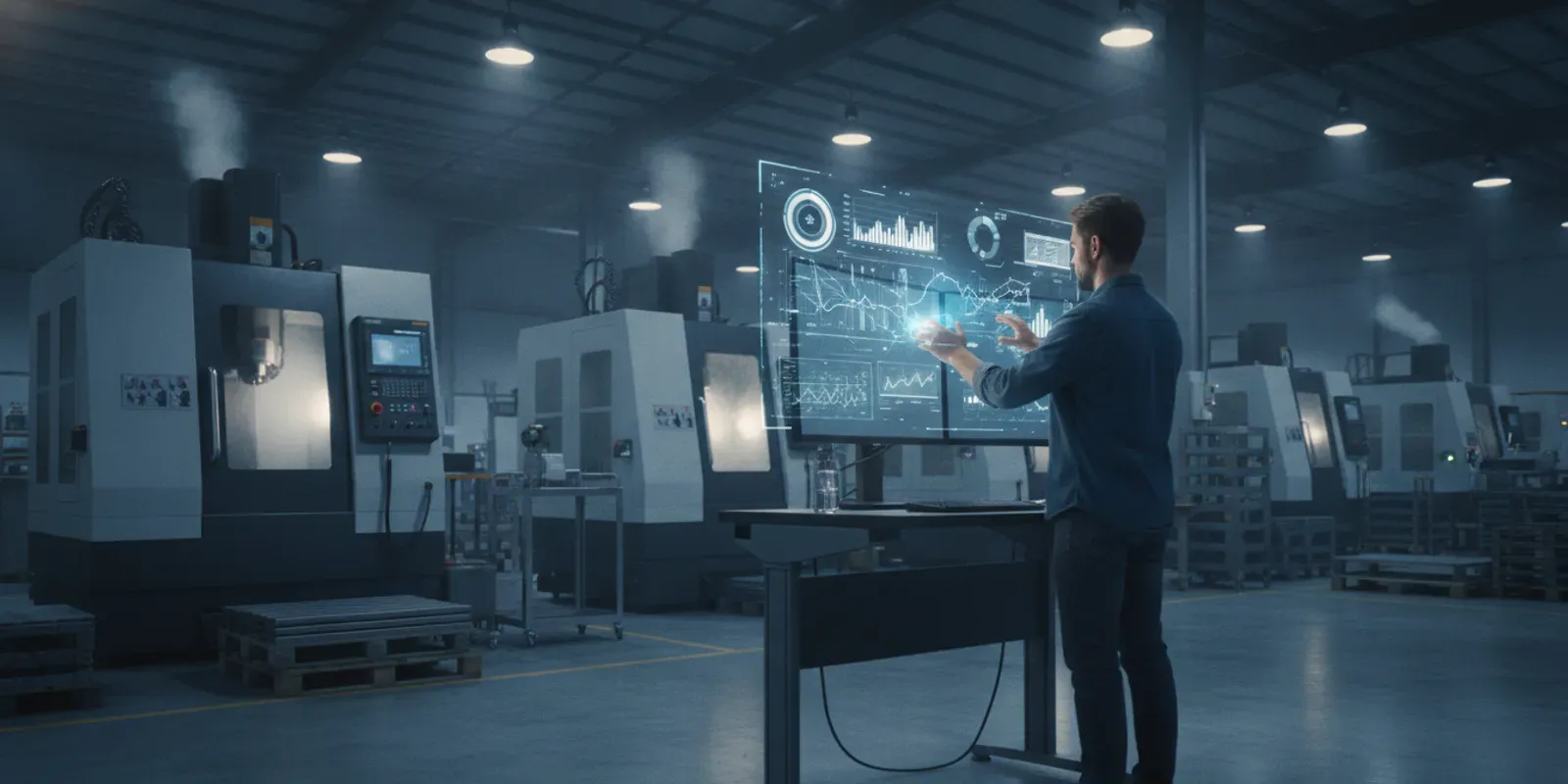

Running a manufacturing facility without clear metrics is like trying to navigate a ship in a storm without a compass. You might be busy, but are you productive? Are you profitable? Key Performance Indicators, or KPIs, are the instruments that give you clarity. They replace guesswork with hard data, allowing you to see exactly what’s working and what’s not on your shop floor. Instead of reacting to problems after they’ve already cost you time and money, KPIs help you make proactive, informed decisions. This guide will walk you through the most critical manufacturing kpi examples, showing you how to measure what truly matters for improving efficiency, quality, and your bottom line.
Key Takeaways
- Move beyond guesswork with objective data: KPIs act as your operational dashboard, providing the clear numbers you need to accurately measure performance and make confident decisions on the shop floor.
- Align KPIs directly with your business goals: Avoid information overload by selecting a few critical metrics for production, quality, and cost that will genuinely guide your team toward achieving company objectives.
- Turn data into action with a clear implementation plan: A successful rollout requires training your team, using visual dashboards, and deciding in advance how you will respond to the data, which helps build a culture of continuous improvement.
What Are Manufacturing KPIs and Why Do They Matter?
If you’ve ever felt like you’re flying blind on the shop floor, you’re not alone. Guesswork can only get you so far when it comes to hitting production targets and keeping customers happy. This is where Key Performance Indicators, or KPIs, come in. They are the instruments on your dashboard, giving you the clear, real-time data you need to make smart decisions. Instead of wondering if you’re on track, you’ll know for sure.
KPIs are more than just numbers; they are a direct line of sight into the health of your manufacturing operations. They help you spot small issues before they become big problems, identify opportunities for improvement, and celebrate wins with your team. By tracking the right metrics, you can move from a reactive management style to a proactive one, steering your business toward greater efficiency and profitability.
A Simple Definition of Manufacturing KPIs
So, what exactly are manufacturing KPIs? Think of them as quantifiable measures that tell you how your production processes are performing. They are specific, measurable metrics that track everything from machine uptime to product quality. Instead of relying on gut feelings, KPIs give you hard data on efficiency, effectiveness, and overall performance. They answer critical questions like: Are we meeting our production goals? How much waste are we creating? Are our deliveries on time? By turning complex operations into simple numbers, you get a clear picture of what’s working and what needs attention, allowing you to make informed adjustments with powerful data analytics.
How KPIs Drive Operational Success
KPIs are the engine for operational success because they connect your daily activities to your bigger business goals. When you track the right metrics, you can pinpoint bottlenecks that are slowing down production, identify areas where quality is slipping, and see exactly where costs are getting out of control. This allows you to improve almost every part of your operation, from reducing scrap to increasing throughput. Effective KPI tracking helps you monitor and enhance quality at every stage of production. With clear insights from your KPIs, you can refine your production scheduling to keep everything running smoothly and ensure you’re always delivering for your customers.
How Do Manufacturing KPIs Improve Your Business?
Think of manufacturing KPIs as the vital signs for your business. They aren’t just numbers on a spreadsheet; they are clear, objective indicators of your operational health. By tracking the right metrics, you can move beyond guesswork and get a true picture of what’s happening on your shop floor. KPIs give you the insight to spot hidden inefficiencies, celebrate team wins, and make smart, strategic moves that push your business forward. They provide a shared language for your entire team, from the C-suite to the machine operators, ensuring everyone is working toward the same goals. Ultimately, implementing KPIs is about creating a more resilient, efficient, and profitable manufacturing operation.
Measure and Benchmark Performance
You can’t improve what you don’t measure. KPIs serve as your manufacturing yardstick, providing quantifiable metrics to evaluate how efficiently and effectively your processes are running. They help you pinpoint bottlenecks, streamline workflows, and enhance product quality, all of which contribute to your bottom line. Once you start tracking these metrics, you can benchmark your performance against industry standards or your own historical data. This comparison shows you exactly where you stand and helps you set achievable goals for the future. It’s the first step in transforming your raw data into a clear roadmap for growth and a key reason why JobPack focuses on providing transparent performance insights.
Make Data-Driven Decisions
Relying on gut feelings to run a manufacturing facility is a risky game. KPIs replace assumptions with facts, allowing you to make confident, data-driven decisions. When you track performance across every stage of production, you can see exactly where issues arise and what’s causing them. Instead of just looking at historical data at the end of the month, real-time machine monitoring lets you see a drop in OEE as it happens. This empowers you to correct course immediately, preventing small problems from becoming costly failures. This proactive approach helps you maintain quality, manage resources effectively, and adapt quickly to changing demands on the shop floor.
Build a Culture of Continuous Improvement
KPIs are powerful tools for shaping your company culture. When implemented correctly, they create transparency and accountability across every department. Sharing performance data with your entire team gives them a sense of ownership and a clear understanding of how their work impacts the company’s success. This visibility motivates everyone to find ways to work smarter and more efficiently. Tracking and optimizing KPIs is essential for reducing waste and keeping customer satisfaction high. It fosters a mindset of continuous improvement, where every team member is engaged in making the business better, one small adjustment at a time, as shown in these customer success stories.
Key KPIs for Production Efficiency
When you want to get a clear picture of how your shop floor is really performing, production efficiency KPIs are your go-to metrics. These indicators measure the output and effectiveness of your manufacturing processes, from individual machines to entire production lines. Think of them as the vital signs for your operations. By tracking them, you can spot bottlenecks, reduce waste, and make sure your production scheduling is optimized to meet deadlines without burning out your team or equipment. A solid grasp of these KPIs is the first step toward making smarter, data-backed decisions that directly impact your bottom line.
Overall Equipment Effectiveness (OEE)
Overall Equipment Effectiveness (OEE) is the gold standard for measuring manufacturing productivity. It’s a single, powerful metric that tells you how well a piece of equipment is performing relative to its full potential. OEE combines three critical factors into one score: availability (is the machine running when it’s supposed to be?), performance (is it running as fast as it should?), and quality (is it producing good parts?). A perfect OEE score of 100% means you are only making good parts, as fast as possible, with no stop time. Real-time machine monitoring makes tracking OEE simple, giving you a clear path to improving your processes.
Cycle Time and Takt Time
It’s easy to confuse cycle time and takt time, but they measure two different things. Cycle time is the actual time it takes to produce one part from start to finish. Takt time, on the other hand, is the pace you need to maintain to meet customer demand. For example, if a customer needs 100 parts in a 100-minute shift, your takt time is one minute per part. If your cycle time is 50 seconds, you’re in great shape. If it’s 70 seconds, you have a bottleneck to address. Balancing these two metrics is essential for creating a smooth, efficient workflow that keeps customers happy.
Throughput and Capacity Utilization
Throughput measures the number of units a machine or production line produces over a specific period. It’s a straightforward indicator of your output. Capacity utilization, however, adds another layer of insight. It tells you how much of your total production capacity you are actually using. For instance, if a machine can produce 100 units per hour but is only making 80, your capacity utilization is 80%. Tracking both helps you identify underutilized assets and find opportunities to increase output without investing in new equipment. Good data analytics can reveal patterns in these metrics, helping you make the most of your resources.
Top KPIs for Quality Control
Your production efficiency doesn’t mean much if the final product fails to meet quality standards. Poor quality leads to wasted materials, costly rework, and unhappy customers. That’s why tracking quality control KPIs is non-negotiable. These metrics give you a clear view of how well your processes are working and where you can make improvements to protect your bottom line and your brand’s reputation. By keeping a close eye on quality, you can catch issues before they escalate.
First Pass Yield (FPY)
First Pass Yield, or FPY, is one of the most telling quality metrics. It measures the percentage of products manufactured correctly and passing inspection the first time, without needing any rework. Think of it as a grade for your production process. A high FPY is a sign of a healthy, efficient line with effective quality control. It means you’re minimizing waste, saving time, and reducing the costs tied to fixing mistakes. Consistently tracking FPY helps you identify which stages of production are running smoothly and which ones might need a closer look.
Scrap Rate and Rework Percentage
While FPY measures your successes, Scrap Rate and Rework Percentage track your setbacks. The Scrap Rate calculates the material that has to be thrown out due to unfixable defects. It’s a direct measure of waste. The Rework Percentage tracks the proportion of products sent back for corrections to meet quality standards. Monitoring both KPIs is essential for diagnosing problems in your production flow. A spike in either metric is a clear signal that something is off, helping you pinpoint inefficiencies and reduce waste before it hurts your profitability.
Defect Density and Customer Complaints
Defect Density gives you a high-level view of your overall product quality by calculating the percentage of total units that are defective. This could mean they are unusable or simply need rework. Tracking this KPI helps you spot negative trends before they impact a large batch of products. An even more direct measure of quality is the number of customer complaints or returns. This metric is your final report card, as it reflects how your customers perceive your product. A low return rate is a strong indicator of customer satisfaction and reliability, while a high rate can signal serious issues that need immediate attention.
Must-Track KPIs for Cost and Delivery
While production speed and quality are vital, they don’t mean much if your costs are out of control and deliveries are late. The following KPIs are all about the bottom line: keeping your finances healthy and your customers happy. Tracking them gives you a clear view of your operational performance from a cost and customer service perspective. This ensures you’re not just making products, but also building a sustainable and reliable business that customers trust. These metrics help you answer two fundamental questions: “Are we profitable?” and “Are we keeping our promises?”
Cost Per Unit and Manufacturing Cost Variance
Your Cost Per Unit is the total expense required to produce a single item, including materials, labor, and factory overhead. Knowing this number inside and out is fundamental to setting the right prices and protecting your profit margins. You should also track Manufacturing Cost Variance, which is the difference between your expected cost and the actual cost. A significant variance can be an early warning sign of rising material prices or process inefficiencies. Accurate shop floor data collection is the key to getting these numbers right, giving you a true picture of your production costs and helping you maintain profitability.
Labor Efficiency and Productivity
Labor is often one of the biggest costs in manufacturing, so it’s important to know you’re getting the most from that investment. Labor productivity measures your output per labor hour, showing you how effectively your team is working. This isn’t about making people work harder; it’s about working smarter. By tracking this KPI, you can identify opportunities to streamline workflows, improve training, or reallocate resources to eliminate bottlenecks. With real-time machine monitoring, you can see exactly how labor time is being spent and find ways to reduce idle time, ensuring your team is always focused on value-adding activities.
On-Time Delivery (OTD) Rate
Your On-Time Delivery (OTD) rate is the percentage of orders that reach the customer by the promised date. In today’s competitive market, this KPI is non-negotiable. A high OTD rate builds customer trust, encourages repeat business, and strengthens your reputation as a reliable partner. Conversely, a low OTD rate can signal deep-rooted issues in your planning, production, or supply chain. Consistently hitting your delivery targets starts with a solid plan. An effective production scheduling system provides the visibility and control you need to manage deadlines, adapt to changes, and keep your promises to customers.
Lead Time
Lead Time measures the total time it takes to fulfill a customer’s order, from the moment production starts until it ships out the door. This metric gives you a holistic view of your entire production process. Shorter lead times mean you can respond to customer demand more quickly, hold less inventory, and improve your cash flow. By analyzing your lead time, you can pinpoint which stages of the process are causing delays, whether it’s waiting for materials, machine setup, or final inspection. Using data analytics to visualize your workflow helps you systematically identify and eliminate these bottlenecks, making your entire operation more agile and efficient.
How to Calculate Key Manufacturing KPIs
Knowing which KPIs to track is one thing, but understanding the math behind them is what turns data into action. When you know how these numbers are calculated, you can better identify what needs to change on the shop floor to improve them. The good news is that you don’t need an advanced math degree to figure them out. Most formulas are straightforward and rely on data you’re likely already collecting.
Let’s walk through the calculations for some of the most important manufacturing KPIs. With the right systems in place, you can automate these calculations and get real-time insights without ever touching a calculator. This approach helps you focus less on crunching numbers and more on making strategic improvements.
Breaking Down the OEE Calculation
Think of Overall Equipment Effectiveness (OEE) as the ultimate report card for your machinery. It measures how close you are to perfect production by combining three key factors: Availability, Performance, and Quality. A score of 100% means your machine is producing only good parts, as fast as possible, with no stop time. The formula is:
OEE = Availability x Performance x Quality
- Availability looks at downtime. It’s the percentage of scheduled time that the machine is actually running.
- Performance measures speed. It compares the actual output to what the machine is designed to produce in that time.
- Quality accounts for defects. It’s the percentage of good parts out of the total parts produced.
Effective machine monitoring is the foundation for an accurate OEE score.
Formulas for Quality Metrics
Quality metrics tell you how well your production processes are working. Two of the most common are First Pass Yield (FPY) and Defect Rate. FPY shows the percentage of products made correctly the first time, without any rework. A high FPY is a great sign of an efficient process.
First Pass Yield = (Total Items Produced – Defective Items) ÷ Total Items Produced
Defect Rate is essentially the opposite. It calculates the percentage of total products that are defective or need to be reworked.
Defect Rate = Defective Products ÷ Total Products Produced
Accurate shop floor data collection is essential for tracking these metrics and spotting quality issues before they become major problems.
Calculating Cost and Efficiency KPIs
Keeping a close eye on costs and efficiency is fundamental to a healthy bottom line. The Production Cost per Unit KPI helps you understand exactly what it takes to make a single item, including materials, labor, and overhead.
Production Cost per Unit = Total Manufacturing Costs ÷ Total Units Produced
Cycle Time measures the average time it takes to produce one unit from start to finish. A shorter cycle time means greater efficiency.
Cycle Time = Net Production Time ÷ Number of Units Produced
Finally, Capacity Utilization shows how much of your total production potential you’re actually using. This helps you make smarter decisions about workflow and resource allocation through better production scheduling.
Capacity Utilization = (Actual Output ÷ Potential Output) x 100
How to Choose the Right KPIs for Your Facility
Now that you know the key manufacturing KPIs, how do you pick the ones that will actually make a difference for your shop? It’s not about tracking every metric under the sun. It’s about choosing a select few that give you a clear, actionable picture of your performance. Here’s how to narrow it down and focus on what truly moves the needle.
Align KPIs with Your Business Goals
Your KPIs should never be random. They need to be directly connected to your company’s big-picture goals, whether that’s reducing costs by 10% this year or increasing on-time delivery rates next quarter. When you align your metrics with your strategic plans, you ensure every improvement on the shop floor contributes to the company’s overall success. This connection turns data into a roadmap, guiding your team’s daily efforts and making it clear how their work impacts the bottom line. Effective data analytics tools can help visualize this alignment, keeping everyone focused on what truly matters.
Consider Your Industry’s Needs
Every manufacturing sector has its own unique challenges and priorities. A medical device manufacturer will be laser-focused on quality and compliance metrics, while a custom job shop might prioritize lead time and machine utilization. Take a moment to think about the specific demands of your industry and your customers. Are you in a high-volume, low-margin business where efficiency is everything? Or a high-mix, low-volume environment where flexibility is key? Choosing KPIs that reflect these realities ensures you’re measuring what’s most critical to your success. You can see how different businesses apply this by looking at various case studies.
Balance Leading vs. Lagging Indicators
To get a complete view of your performance, you need a healthy mix of leading and lagging indicators. Lagging indicators, like On-Time Delivery or Cost Per Unit, show you the results of past actions. They tell you if you hit your target. Leading indicators, on the other hand, are predictive. Think of metrics like machine uptime or the number of scheduled maintenance tasks completed. These give you a chance to influence the future. By tracking both, you can not only see your results but also understand the activities that drive them, allowing you to make proactive adjustments with real-time machine monitoring.
Common Challenges in KPI Implementation
Implementing KPIs is more than just picking a few metrics; it involves overcoming some common hurdles on the shop floor. From wrangling data to getting your team on board, a few key challenges can stand in the way of success. Knowing what to look out for is the first step in building a KPI strategy that actually works and drives real improvement.
Ensuring Data Accuracy and Integration
Your KPIs are only as reliable as the data feeding them. When information is siloed in different systems, you end up with inconsistencies that obscure the true picture of your operations. This makes it nearly impossible to spot performance bottlenecks or trust your metrics. A structured approach to shop floor data collection is essential for creating a single source of truth. With clean, integrated data, your KPIs transform from questionable numbers into powerful tools for making smart decisions and driving meaningful improvements across your facility.
Overcoming Resistance to Change
New performance metrics can often be met with skepticism. If your team views KPIs as a tool for micromanagement, you’ll face resistance that can derail your efforts. The key is to frame these metrics as tools for collective improvement, not individual scrutiny. Involve your team in the process and communicate how KPIs create transparency that helps everyone identify and solve problems. When the focus shifts from placing blame to improving processes, you can turn hesitation into active participation and build a culture of accountability.
Choosing the Wrong Metrics
It’s easy to track what’s available instead of what’s valuable. Many facilities focus on lagging indicators, which only show past performance. While this data is useful, it doesn’t help you make adjustments in real time. Choosing the wrong metrics can lead your team down a path of optimizing for goals that don’t truly impact the business. Instead, balance historical data with live insights from machine monitoring. This allows you to see what’s happening on the floor right now, giving you the chance to correct course and improve outcomes before they become history.
Best Practices for a Successful KPI Rollout
Choosing the right KPIs is just the first step. How you introduce and manage them is what truly determines whether they will drive meaningful change or just become another report that collects dust. A successful rollout isn’t about flipping a switch; it’s about building a system that your team understands, trusts, and uses to make smarter decisions every day. By following a few key practices, you can ensure your KPIs become a powerful tool for continuous improvement across your entire operation.
Set Realistic Targets and Benchmarks
A KPI without a target is just a number. To make your metrics meaningful, you need to set clear, realistic goals. A good KPI measures progress toward a specific company objective, so your targets should reflect that. Start by looking at your historical performance to establish a baseline. From there, you can set incremental goals that challenge your team without feeling impossible to reach. This approach keeps everyone motivated and focused. You can also benchmark your performance against industry standards to see how you stack up against the competition and identify areas with the most room for improvement.
Create Clear Dashboards and Reports
Your KPIs should be easy to see and understand. Instead of burying data in complex spreadsheets, use visual dashboards to bring your most important metrics into one accessible place. A well-designed dashboard translates complex data into simple charts and graphs, allowing anyone from the shop floor to the front office to see performance at a glance. This transparency helps everyone stay aligned and focused on the same goals. Using tools for data analytics makes it easier to spot trends, identify potential issues, and celebrate wins as a team, making data a central part of your daily conversations.
Train Your Team to Understand the Data
Data is only powerful if your team knows what to do with it. Take the time to train everyone on what each KPI means, how it’s calculated, and why it matters to their specific role and the company’s overall success. The goal is to use this information to make improvements, not just to measure performance. When you share KPI results, encourage feedback and open discussion. This creates a culture of shared ownership and empowers your team to use the data to solve problems and innovate. When people understand the “why” behind the numbers, they become active participants in driving growth.
Use Technology for Real-Time Tracking
Manual data collection is slow, time-consuming, and often inaccurate. To get the most out of your KPIs, you need technology that provides real-time insights. Modern manufacturing software can automatically pull data directly from your equipment and systems, feeding it into live dashboards. This gives you an up-to-the-minute view of what’s happening on the shop floor. With real-time machine monitoring, you can react to production issues instantly instead of waiting for a report at the end of the day or week. This immediate feedback loop is essential for making quick adjustments and maintaining peak efficiency.
KPI Implementation Mistakes to Avoid
Setting up your KPIs is a huge step, but it’s just as important to sidestep the common traps that can make them less effective. Even with the best intentions, it’s easy to get overwhelmed by data or focus on the wrong things. Let’s walk through a few key mistakes to watch out for so you can make sure your KPI strategy delivers real results for your shop floor.
Tracking Too Many Metrics
It’s tempting to want to measure everything, but this often leads to information overload. Having too many metrics can be confusing and doesn’t help your team make meaningful changes. The goal of using KPIs is to improve how well your factory runs, not to drown in spreadsheets. Instead of tracking dozens of data points, start by identifying the three to five most critical metrics that directly impact your primary business goals. This focused approach provides clarity and helps everyone on the team understand what truly matters. A streamlined data analytics dashboard can help you visualize these core metrics without the extra noise, making it easier to spot trends and take action.
Focusing on Vanity Metrics
Not all data is created equal. A vanity metric might make you feel good, but it doesn’t offer insight into how to improve your operations. For example, knowing the total number of units produced last month is interesting, but it’s a lagging indicator. Many businesses track what has happened, not what is currently happening. By focusing only on historical data, you miss opportunities to correct course in real time. Instead, prioritize actionable metrics that give you a live pulse on your operations. With real-time machine monitoring, you can track KPIs like OEE or cycle time as they happen, allowing your team to make immediate adjustments that prevent small issues from becoming big problems.
Gathering Data Without an Action Plan
Data is only useful if you have a plan for it. Collecting information without knowing how you’ll use it is a common misstep that leads to wasted effort. Before you implement a new KPI, ask yourself: “What will we do if this number goes up? What’s the plan if it goes down?” Every metric you track should be tied to a potential action. This requires a structured approach to shop floor data collection and a clear strategy for how that information will inform your decisions. By creating a solid data foundation and a clear action plan, you ensure your KPIs become powerful tools for informed decision-making and continuous improvement, not just numbers on a report.
Related Articles
- Factory Performance Tracking: A Complete Guide
- Machine Performance Monitoring: The Ultimate Guide
- Work in Process Tracking: The Ultimate Guide
Frequently Asked Questions
Where do I start if my shop isn’t tracking any KPIs yet? Starting with KPIs doesn’t have to be overwhelming. The best approach is to begin small and focus on a single, significant challenge. For instance, if late deliveries are your biggest headache, start by tracking your On-Time Delivery Rate and Lead Time. Master the process of collecting and analyzing data for these one or two metrics first. Once you’re comfortable and seeing results, you can gradually introduce other KPIs that align with your next set of goals.
How many KPIs should we actually focus on? Less is almost always more when it comes to KPIs. While it’s tempting to measure everything, tracking too many metrics can create confusion and dilute your team’s focus. A good rule of thumb is to identify three to five primary KPIs that reflect your company’s most important strategic goals. These are your high-level indicators. From there, individual departments might track a few additional metrics that are specific to their function, but everyone should be clear on the core numbers that drive the business forward.
What’s the difference between a leading and a lagging indicator? Think of it this way: a lagging indicator tells you about the past, while a leading indicator helps predict the future. For example, your total output for last month is a lagging indicator; it’s a result that has already happened. A leading indicator might be your current machine uptime or scrap rate. These metrics give you a real-time signal about your performance, allowing you to make adjustments today that will improve your results tomorrow. A healthy KPI strategy includes a mix of both.
How can I get my team on board with tracking KPIs? The key is to frame KPIs as a tool for improvement, not a report card for judgment. Start by explaining the “why” behind each metric and how it connects to the team’s success and the company’s health. Make the data visible on dashboards so everyone can see progress in real time. When you discuss the numbers, focus on problem-solving together rather than assigning blame. When your team sees KPIs as a way to win collectively, they become active participants in the process.
Is it possible to track KPIs effectively without specialized software? You can certainly start tracking KPIs manually using spreadsheets, but it comes with significant limitations. Manual data collection is time-consuming, prone to human error, and almost never happens in real time. This means you’re always looking at old information. Specialized software automates data collection directly from your machines and systems, giving you accurate, live insights. This allows you to react to issues as they happen, which is where the true power of KPI tracking lies.