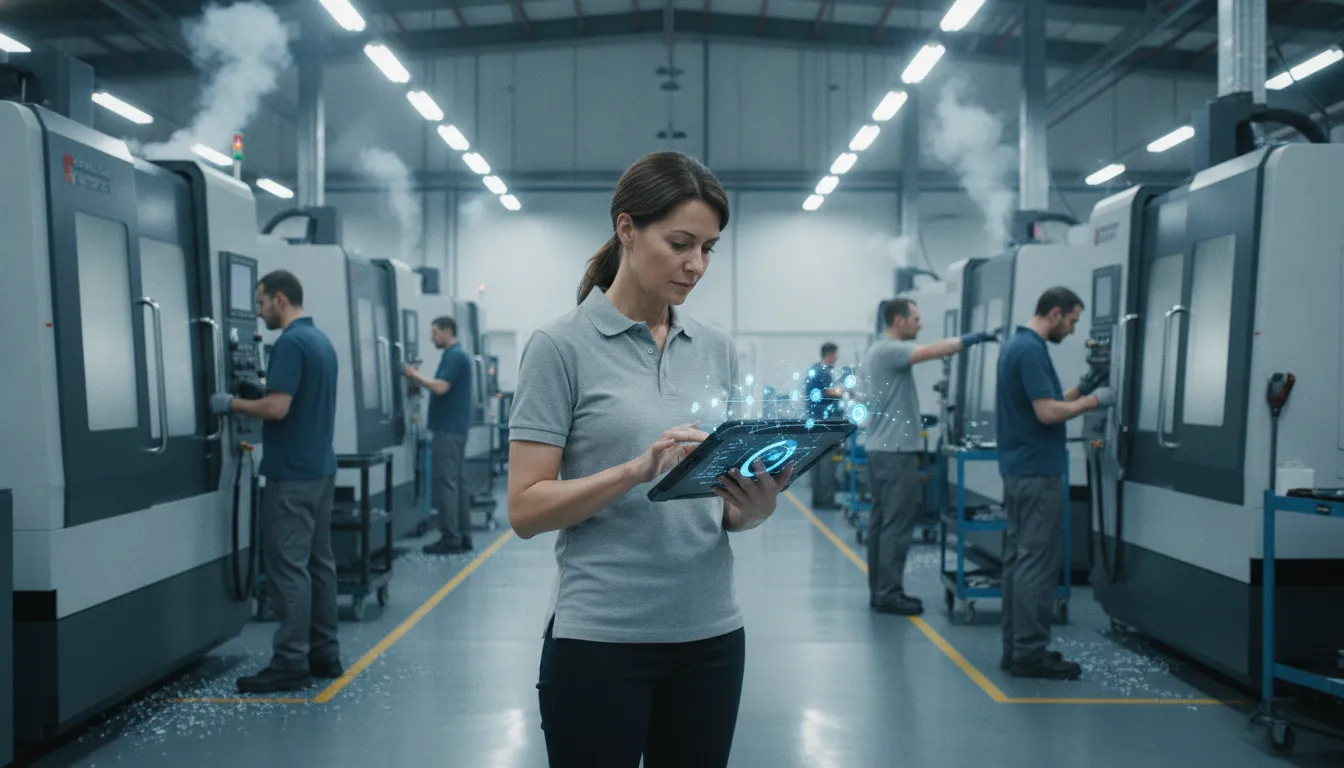
The role of a floor manager has changed significantly. It’s no longer just about walking the floor with a clipboard and reacting to problems as they arise. Today, the most effective managers are armed with real-time data, turning insights into proactive decisions that prevent delays before they happen. This evolution forces us to redefine the concept. So, what is floor management in the age of Industry 4.0? It’s the practice of using accurate shop floor data to guide your team, optimize schedules, and predict bottlenecks. It’s about making informed, strategic choices that improve efficiency and empower your team with clarity and purpose.
Key Takeaways
- Bridge the Gap Between Strategy and Execution: A floor manager’s core job is to translate high-level plans into smooth daily operations, acting as the critical link between upper management and the team on the floor.
- Balance Strong Leadership with Technical Know-How: The best managers combine excellent communication and people skills with a solid grasp of the production process, which earns them respect and helps them guide the team effectively.
- Use Data to Make Proactive Decisions: Moving from reactive problem-solving to proactive management requires objective information. Using real-time data helps you manage priorities, solve issues faster, and communicate clearly with everyone from the shop floor to the front office.
What Is Floor Management?
At its core, floor management is the art and science of overseeing the daily activities of a physical workspace. Think of it as the command center for a specific environment, whether that’s a bustling factory floor, a retail store, or even a live television studio. The goal is always the same: to ensure operations run smoothly, efficiently, and according to plan. A floor manager is the person on the ground who makes this happen, acting as the crucial link between the frontline team and upper management’s objectives. While the title sounds straightforward, the role changes quite a bit depending on the industry. Understanding these differences highlights what makes floor management in a manufacturing setting so unique and critical.
On the Manufacturing Shop Floor
In a manufacturing plant, floor management is all about production. The shop floor is where value is created, and the floor manager’s job is to protect and streamline that process. They are responsible for translating the production schedule into action, ensuring that jobs run on time and meet quality standards. This involves coordinating team members, assigning tasks, and making sure everyone has the resources they need to succeed. Great floor management isn’t just about reacting to problems; it’s about preventing them with smart, data-driven decisions. This requires accurate shop floor data collection to track progress against the schedule and identify potential bottlenecks before they cause delays.
In Retail and Hospitality
Shift the scene to a retail store or a restaurant, and the focus of floor management pivots from production to people. Here, the primary goal is to shape the customer experience. The floor manager ensures that the staff is attentive, the environment is welcoming, and every customer feels taken care of from the moment they walk in. Their day involves everything from managing employee breaks and handling customer complaints to making sure the sales floor is perfectly stocked and visually appealing. While efficiency is still important, the main measure of success is customer satisfaction and the overall atmosphere of the space.
In Broadcasting and Media
Step onto a live television set, and you’ll find another specialized form of floor management. In broadcasting, the floor manager is the director’s eyes and ears on the ground during a production. They are the communication hub, relaying instructions from the control room to the on-air talent, camera operators, and stagehands. They cue presenters, manage timing, and solve any logistical issues that pop up during a live show. In this high-pressure environment, the floor manager’s role is to maintain order and ensure the production flows seamlessly, especially when things don’t go exactly as scripted.
What Does a Floor Manager Do?
A floor manager wears many hats, but their core responsibility is to make sure everything on the shop floor runs like a well-oiled machine. They are the critical link between the hands-on team and upper management, translating high-level goals into daily, actionable tasks. Think of them as the conductor of an orchestra; they don’t play every instrument, but they ensure every section works in harmony to create a perfect performance. From coordinating schedules to putting out fires, their work directly impacts productivity, safety, and the bottom line.
Oversee Daily Operations
The floor manager is the go-to person for the day’s plan. They are responsible for making sure the production schedule is on track, work orders are moving through the right stages, and every team member knows their priorities. This involves constantly monitoring progress, adjusting plans when needed, and communicating updates to the team. To do this effectively, they need a clear view of all moving parts, from machine availability to operator assignments. Having a solid system for production scheduling is essential for them to keep daily operations flowing smoothly and prevent bottlenecks before they start.
Lead and Coordinate the Team
A great floor manager doesn’t just give orders; they lead their team. This means they know how to delegate tasks effectively, matching the right person to the right job. They provide clear instructions, offer support, and foster a collaborative environment where everyone feels valued. When things get busy or stressful, they remain a calm and steady presence, guiding the team through challenges. By building trust and empowering their staff, they create a more engaged and productive workforce that is committed to hitting its goals and delivering quality work on time.
Manage Inventory and Resources
Effectively managing resources is a huge part of a floor manager’s role. This goes beyond just tracking parts and materials; it includes managing tools, equipment, and even the team’s time. They need to ensure that operators have what they need, when they need it, to avoid costly downtime. A key part of this is understanding machine capacity and performance. With accurate machine monitoring, a floor manager can see which machines are running, which are down, and why. This information allows them to make smart decisions about resource allocation and keep production moving efficiently.
Ensure Safety and Compliance
On a manufacturing floor, safety isn’t just a priority; it’s a necessity. The floor manager is responsible for upholding safety standards and ensuring the entire team follows proper procedures. This includes conducting regular safety talks, making sure equipment is maintained correctly, and keeping the workspace clean and organized to prevent accidents. They are the first line of defense in creating a safe working environment. By championing a culture of safety and compliance, they protect their team members and help the company avoid fines and costly workplace incidents.
Solve Problems and Handle Crises
No matter how well you plan, unexpected issues will always pop up. A machine might break down, a critical part might not arrive on time, or an employee might call in sick. A skilled floor manager is an expert problem-solver who can think on their feet. They stay calm under pressure, which helps the entire team remain focused. Instead of just reacting, they use available information to find the root cause of a problem and implement a solution. Access to real-time shop floor data collection gives them the insights needed to handle crises quickly and make informed decisions that minimize disruption.
What Makes a Great Floor Manager?
It takes more than a title and a clipboard to be a truly effective floor manager. The best ones possess a unique combination of leadership qualities, technical skills, and personal resilience that allows them to not only manage but also inspire their teams. These are the individuals who can turn a chaotic shop floor into a well-oiled machine, directly influencing productivity and your company’s bottom line. They are the critical link between strategy and execution, ensuring that daily operations align with broader business goals. Let’s look at the core traits that separate a good floor manager from a great one.
Strong Communication and Leadership
A great floor manager is the communication hub of the shop floor. They are the person who can “connect the people working on the floor with the bosses,” ensuring information flows freely in both directions. This means translating high-level goals into clear, actionable tasks for the team and relaying important feedback or concerns back to upper management. But it’s more than just passing along messages. True leadership involves motivating your team, actively listening to their input, and building a culture of trust and respect. When your team feels heard and supported, they are more engaged and committed to doing their best work, which is the foundation of any successful operation.
Organization and an Ability to Multitask
The manufacturing floor is a dynamic environment where multiple things are happening at once. A great floor manager thrives in this setting because they are exceptionally organized and can handle many tasks simultaneously, especially during crunch time. From tracking job progress and managing staff assignments to overseeing inventory and addressing unexpected machine downtime, they juggle competing priorities without losing sight of the overall goal. Using tools for production scheduling can make this complex dance more manageable, allowing managers to visualize workflows and make quick adjustments. This ability to impose order on chaos is critical for keeping production on track and preventing small issues from becoming major delays.
Adaptability and Technical Know-How
While people skills are essential, a floor manager also needs a firm grasp of the technical side of the operation. This includes a deep understanding of the machinery, the production processes, and all relevant safety protocols. As experts at ScreenSkills note, they must “understand safety rules and how to prevent risks.” In modern manufacturing, this also means being comfortable with Industry 4.0 technology, from real-time machine monitoring to data collection. This technical competence allows them to troubleshoot issues effectively, train team members properly, and make informed decisions that improve efficiency. It also earns them the respect of their team, who will trust their direction and expertise.
Grace Under Pressure
Even in the most organized facility, things will go wrong. A key machine might break down, a critical shipment could be delayed, or an employee might call in sick during a peak period. According to insights from Bizimply, a great manager “stays calm” even when faced with these challenges. This composure is contagious. When a leader remains level-headed, it helps the entire team stay focused and prevents panic from setting in. This ability to absorb pressure and maintain a steady hand is not just a personality trait; it’s a critical leadership skill. It reassures the team that problems are manageable and that there is a clear path forward, fostering a more resilient and confident work environment.
A Knack for Problem-Solving and Conflict Resolution
Staying calm is the first step, but taking decisive action is the next. A standout floor manager is a sharp problem-solver who can “think fast and stay calm when things get stressful.” When a bottleneck appears in the production line, they don’t just see a delay; they see an opportunity to analyze the workflow and find a solution. Using data analytics can help pinpoint the root cause of these issues for a more permanent fix. This skill also extends to people. Whether it’s mediating a disagreement between two operators or addressing a performance issue, the manager must handle conflict constructively to maintain team cohesion and keep everyone focused on shared goals.
The Impact of Effective Floor Management
A great floor manager is the difference between a chaotic, reactive environment and a smooth, productive operation. Their influence goes far beyond just overseeing daily tasks. When floor management is done right, the positive effects ripple across the entire organization, from the shop floor to the bottom line. It impacts how efficiently you operate, how happy your customers are, and how engaged your team feels. Let’s look at the three biggest ways an effective floor manager can transform your business.
Improve Efficiency and Reduce Waste
On a busy shop floor, a floor manager’s main goal is to keep operations running like a well-oiled machine. They are the ones on the ground, coordinating activities, making sure materials are where they need to be, and ensuring every step of the process flows smoothly. By effectively managing people and resources, they streamline production and cut down on waste, whether it’s wasted time, materials, or machine capacity. This hands-on oversight is crucial for turning a good plan into great performance and is a key part of any successful production scheduling strategy.
Create a Better Customer Experience
While you might associate “customer experience” with retail, it’s just as critical in manufacturing. In this world, a positive customer experience means delivering high-quality products on time, every time. An effective floor manager is your frontline guardian of this promise. They ensure that production stays on schedule and that quality standards are met consistently. By addressing issues on the floor before they become bigger problems, they help maintain the integrity of your production timeline. This direct oversight ensures you meet your commitments, which builds trust and keeps your customers coming back. You can see how this plays out in real-world case studies.
Strengthen Team Morale and Accountability
A floor manager sets the tone for the entire team. The best ones lead by example, creating a collaborative and supportive environment where everyone feels valued. They delegate tasks clearly, stay calm during high-pressure moments, and balance the needs of the production schedule with the needs of their staff. This leadership style builds team morale and fosters a strong sense of accountability. When everyone understands their role and has access to clear information, they feel more empowered. Tools that support shop floor data collection can help managers create this transparent environment, where performance is based on facts, not guesswork.
Common Challenges for Floor Managers (and How to Solve Them)
Even the most seasoned floor manager runs into a few common hurdles. The role is demanding, and you’re often the central point for everything happening on the shop floor. From unexpected machine downtime to team conflicts, your ability to handle pressure defines your success. But think of these challenges less as problems and more as opportunities to refine your skills and improve your processes. With the right mindset and tools, you can turn daily friction into a smooth, efficient operation. Let’s walk through some of the most frequent challenges you’ll face and, more importantly, how to solve them. By anticipating these issues, you can create a more resilient and productive work environment for everyone.
Juggling Competing Priorities
One minute you’re coordinating a new job, the next you’re troubleshooting a machine, and five minutes later you’re pulling data for a production meeting. Sound familiar? The sheer volume of tasks can feel overwhelming, pulling you in a dozen different directions at once. When everything feels urgent, it’s tough to know what to focus on first.
The key is to move from reactive to proactive. Start by clearly identifying what’s truly important versus what’s just “loud.” A task that impacts a critical delivery deadline should always take precedence over a minor administrative request. Using a visual production scheduling system can be a game-changer here. It gives you a bird’s-eye view of all active jobs, their deadlines, and their dependencies, so you can make smart, data-backed decisions about where to direct your attention.
Handling Difficult People and Situations
A huge part of your job involves people, and people are complex. You might have to mediate a disagreement between two operators, address a performance issue, or manage the fallout from a team member calling in sick on a critical day. Staying calm under pressure is your superpower. When you remain level-headed, your team feels more secure and is better able to focus on their work.
When you need to have a tough conversation, lean on objective information. Instead of relying on hearsay or feelings, use concrete data to frame the discussion. For example, real-time machine monitoring provides unbiased facts about performance and downtime. This shifts the conversation from personal criticism to collaborative problem-solving, focusing on questions like, “The data shows this machine was down for an hour; what happened, and how can we prevent it next time?”
Connecting the Team with Upper Management
As a floor manager, you are the essential bridge between the shop floor and the front office. You translate high-level business goals into practical, day-to-day tasks for your team. At the same time, you communicate the realities of the floor, including challenges and successes, back to leadership. When this communication breaks down, misunderstandings and inefficiencies are sure to follow.
To keep everyone aligned, make data your best friend. Instead of just telling management that a job is running behind schedule, show them. With clear data analytics, you can present a complete picture of what’s happening on the floor. Visual reports make it easy to highlight bottlenecks, explain delays, and justify the need for resources. This empowers you to have more productive conversations with leadership and ensures your team’s hard work is accurately represented.
Mapping a Career as a Floor Manager
Becoming a great floor manager doesn’t happen overnight. It’s a path built on hands-on experience, continuous learning, and a genuine desire to lead. The journey often starts on the shop floor and progresses through a combination of practical skill development and strategic training. Here’s a look at what that career map typically involves and how you can prepare for each stage.
Starting Out: Finding an Entry-Level Role
Every successful floor manager starts by learning the fundamentals. The best way to do this is by taking an entry-level position right on the shop floor. Roles like machine operator, assembler, or quality control technician give you a ground-level view of how everything works. This firsthand experience is invaluable. You’ll understand the challenges your team faces because you’ve been there yourself. A floor manager acts as the critical link between the team on the floor and upper management, so knowing the day-to-day realities of production is essential for building trust and making effective decisions.
Gaining Experience and Moving Up the Ladder
Once you have a solid foundation, you can start looking for opportunities to grow. While many floor managers hold a bachelor’s degree in fields like business or engineering, extensive on-the-job experience can be just as powerful. As you gain expertise, you can climb the ladder to roles with more responsibility. A skilled floor manager might advance to become an operations manager, a production supervisor, or even a plant manager. With each step, your focus will shift from managing daily tasks to shaping broader operational strategy. Showing initiative and delivering consistent results are the keys to opening these doors.
Pursuing Key Training and Development
Most of your training will happen right on the job, but you can be proactive about your development. Focus on building strong communication, organization, and leadership skills. Volunteer to lead small projects or mentor new team members to demonstrate your capabilities. You can also formalize your knowledge by pursuing certifications in methodologies like Lean Manufacturing or Six Sigma. These programs teach you how to streamline processes and reduce waste, which are core responsibilities of a floor manager. This extra training shows you’re serious about your career and committed to improving the company’s performance.
Using Software to Make Smarter Decisions
Modern floor managers rely on more than just clipboards and spreadsheets. Today’s manufacturing environment is driven by data, and using the right tools can make a world of difference. Software for shop floor data collection gives you real-time information on what’s happening at every workstation. Instead of guessing, you can use precise analytics to identify bottlenecks, track performance, and make informed choices. This technology frees you from constant crisis management and allows you to focus on strategic improvements, coaching your team, and communicating clear, data-backed updates to leadership.
Related Articles
- Shop Floor Management Software: 4 Key Benefits for Manufacturers
- A Buyer’s Guide to Factory Management Software
- Why Paperless Is the Future of Production Floor Scheduling
- How User Interface Design Affects Manufacturing Productivity
Frequently Asked Questions
What’s the first step I should take if I feel like I’m always putting out fires? The first step is to get a clear view of your priorities. When you’re constantly reacting, it’s usually because you lack a single source of truth for what needs to happen and when. Instead of relying on memory or scattered notes, find a system that lets you see all active jobs and their deadlines at a glance. This allows you to distinguish between what is truly urgent, like a task holding up a critical shipment, and what is simply loud. By organizing your workflow visually, you can start anticipating problems instead of just responding to them.
How does modern software actually help a floor manager’s day-to-day work? It replaces guesswork with facts. Instead of walking the floor to figure out why a machine stopped, you can see the reason on a screen instantly. This means you spend less time investigating and more time solving problems. Good software gives you real-time, unbiased information about job progress, machine performance, and operator efficiency. This data helps you make smarter decisions on the fly and provides concrete evidence when you need to communicate with your team or with upper management about production issues.
Can I become a floor manager without a four-year degree? Absolutely. While a degree can be helpful, nothing replaces hands-on experience on the shop floor. Many of the best floor managers start in entry-level roles like machine operator or assembler. This ground-level experience gives you invaluable credibility and a deep understanding of the daily challenges your team faces. You can always supplement your practical knowledge with certifications in areas like Lean Manufacturing to show your commitment to professional growth and operational excellence.
What’s the difference between a floor manager and a production supervisor? The titles are often used interchangeably, but there can be a subtle difference in focus. Think of the floor manager as the on-the-ground conductor responsible for the real-time execution of the production plan. They are deeply involved in the immediate, hour-to-hour flow of work. A production supervisor might have a slightly broader scope that includes more long-term planning, administrative duties, or managing multiple departments. The floor manager is the critical, hands-on link ensuring the daily plan becomes a reality.
As a plant manager, how can I best support my floor manager? The best way to support your floor manager is to empower them with trust and the right tools. Give them access to real-time data so they can make informed decisions without needing to ask for permission at every turn. Foster an environment where they feel comfortable bringing you solutions, not just problems. When they have clear, objective information to back up their observations, it strengthens their leadership and makes conversations about performance and resources much more productive for everyone involved.