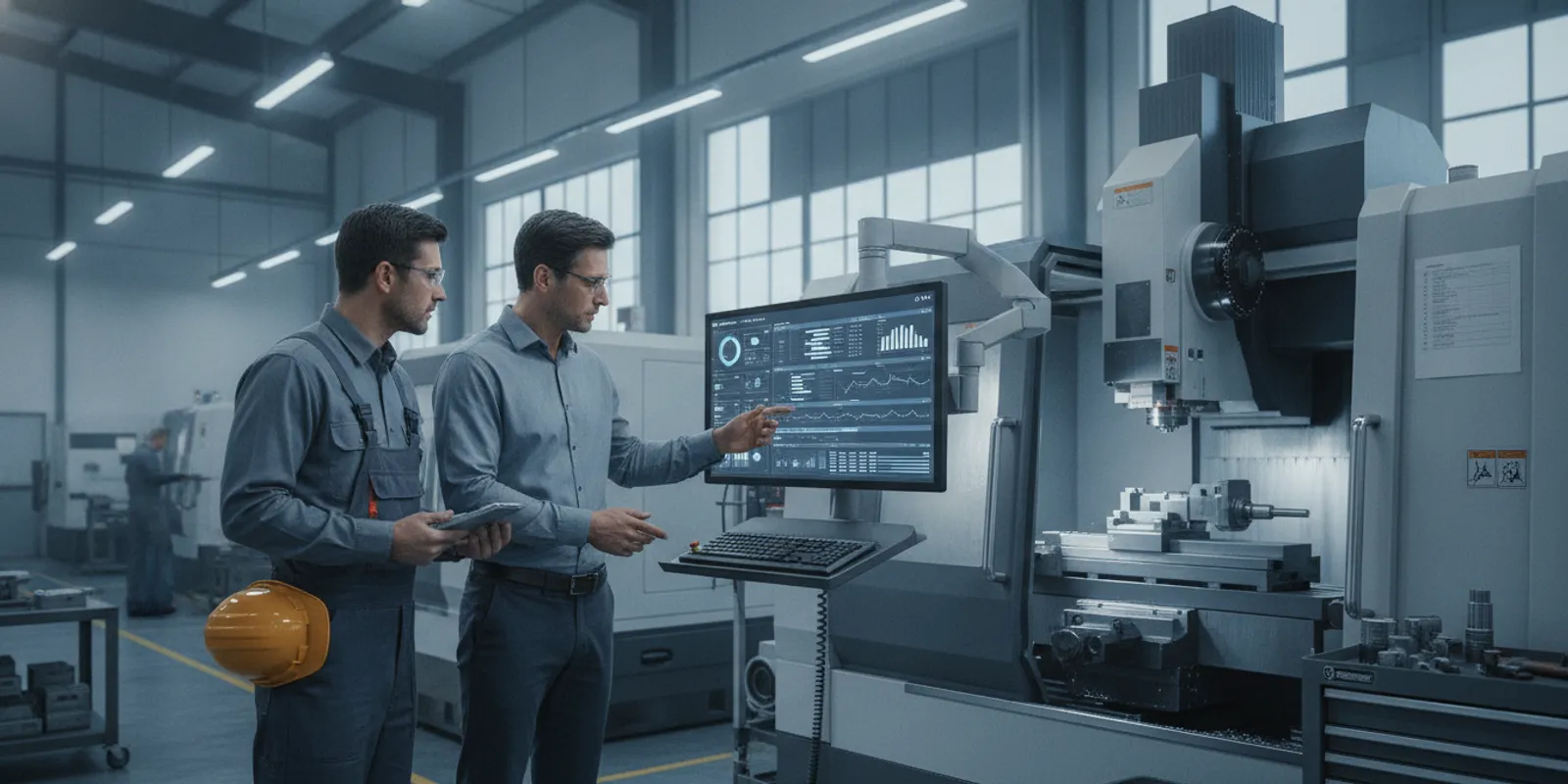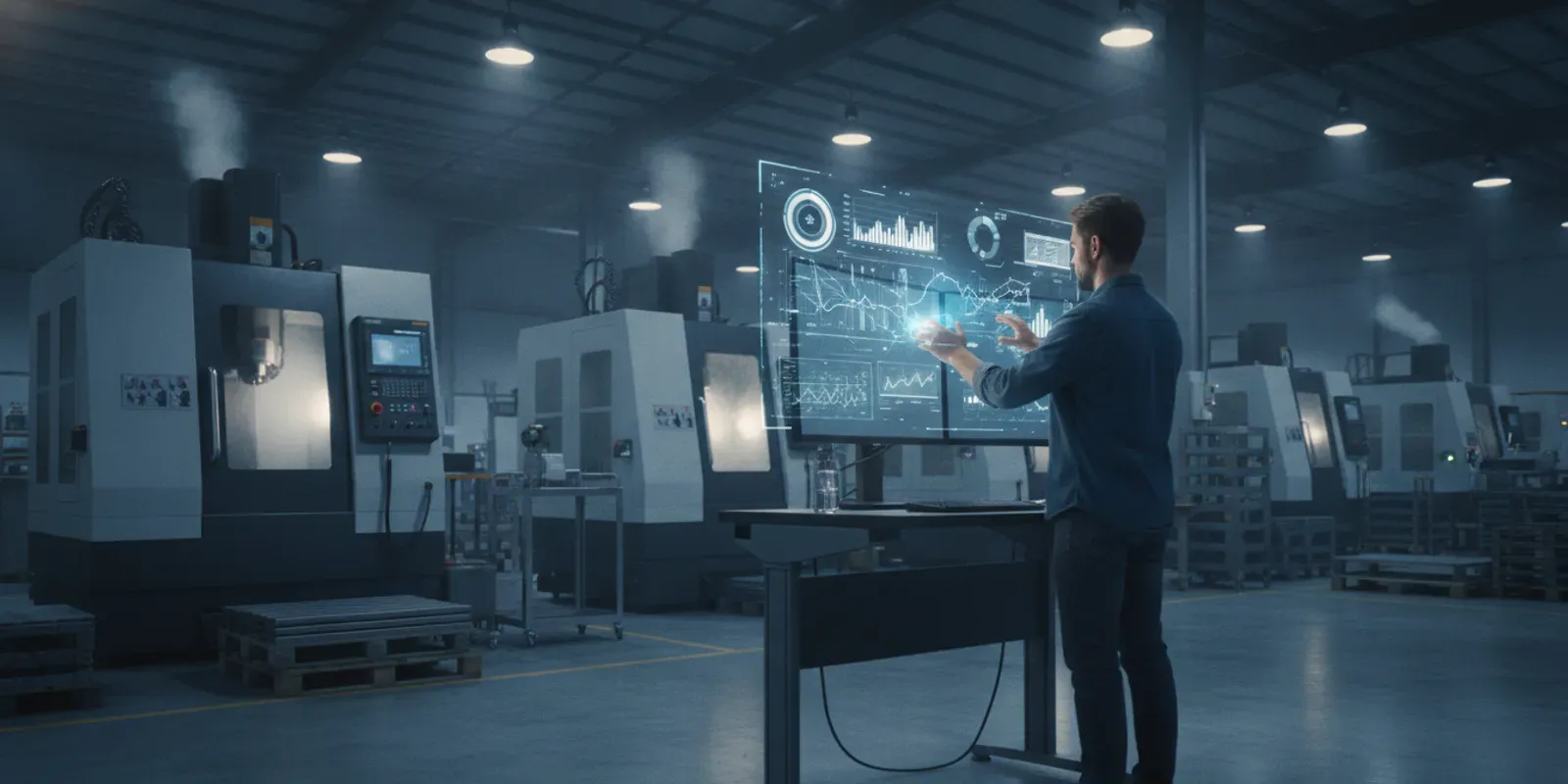

Are late deliveries, unexpected machine downtime, and rising material costs creating constant headaches? These aren’t just random problems; they’re symptoms of deeper inefficiencies that are often hard to see. The key to solving them is to stop firefighting and start diagnosing the root cause with hard data. Production metrics are the tools that allow you to do just that. They turn your operational data into a clear roadmap, showing you exactly where to focus your efforts for the biggest impact. In this article, we’ll explore essential production metrics examples and explain how you can use them to create a more predictable, stable, and profitable manufacturing environment.
Key Takeaways
- Select metrics with purpose: Don’t track data just for the sake of it. Choose a few key performance indicators that align directly with your most important business goals, whether that’s improving quality or cutting operational costs.
- Automate your data collection: Move away from manual entry to get accurate, real-time information. Using technology like machine monitoring provides a live view of your shop floor, empowering you to solve problems instantly instead of reacting to old news.
- Involve your team in the process: A metrics program only works if your employees understand its value. Provide clear training on what the numbers mean and how they contribute, turning data collection into a shared goal for improvement.
What Are Production Metrics and Why Do They Matter?
Think of production metrics as your factory’s report card. They are specific, measurable numbers, often called Key Performance Indicators (KPIs), that show you exactly how well your production line is performing. Instead of guessing where things are going right or wrong, these metrics give you concrete data to check, understand, and improve your operations. They help you answer critical questions like: Are we on schedule? Is this machine running efficiently? How much waste are we creating?
Tracking the right metrics is fundamental to running a more efficient and competitive manufacturing business. By focusing on these numbers, you can pinpoint hidden inefficiencies, reduce costly waste, and ultimately increase your profits without needing a major expansion. They transform your operational data into a clear roadmap for improvement. With a solid grasp of your production metrics, you can move from reactive problem-solving to proactive, strategic planning, ensuring you deliver quality products on time and within budget. This data-driven approach is the foundation of modern, successful manufacturing.
The Key to Manufacturing Success
So, where do you start? Production KPIs generally fall into a few key areas: machinery and assets, product units, and costs. This framework helps you organize your efforts and focus on what matters most to your specific goals. For example, if your priority is getting the most out of your equipment, you’ll want to track machinery-focused metrics. One of the most respected metrics in this category is Overall Equipment Effectiveness (OEE), which measures how productive your equipment truly is. By monitoring metrics across these different categories, you get a complete picture of your shop floor’s health and can make targeted improvements that have a real impact on your bottom line.
How to Make Data-Driven Decisions
The real power of production metrics comes from using them to make informed, data-driven decisions. This means moving away from outdated spreadsheets and embracing real-time information. Modern factories use connected machines and sensors for shop floor data collection, which feeds live data directly into monitoring systems. This instant access allows your team to spot and react to problems as they happen, not days or weeks later. When you have accurate, up-to-the-minute data at your fingertips, you can identify bottlenecks, optimize processes, and drive continuous growth. It’s about turning raw numbers into actionable insights that improve performance across the board.
Key Metrics for Production Efficiency
To get a clear picture of how your shop floor is performing, you need to track the right numbers. Production efficiency metrics move beyond gut feelings, giving you hard data on how well your machines, processes, and people are working together. By focusing on these metrics, you can pinpoint opportunities to improve.
Overall Equipment Effectiveness (OEE)
Think of Overall Equipment Effectiveness (OEE) as the ultimate report card for your machinery. A perfect 100% score means your machines produce only good parts, as fast as possible, with no stop time. OEE combines three factors: Availability, Performance, and Quality. Tracking OEE reveals the real story behind equipment performance and helps improve your machine monitoring strategy.
Cycle Time and Takt Time
Cycle Time and Takt Time measure two key aspects of your production line. Cycle Time is the average time to complete one unit, measuring your internal process speed. Takt Time is the rate you need to produce to meet customer demand. Understanding both helps you balance production with customer needs. If your Cycle Time is longer than your Takt Time, you have a bottleneck that needs attention in your production scheduling.
Throughput and Production Volume
Throughput and Production Volume both tell you how much you’re producing. Throughput is your production rate over a specific period, like 1,200 units per hour, measuring your factory’s speed. Production Volume is the total number of units made in a set timeframe, like a full shift. This metric helps assess overall capacity and if you’re meeting output goals. Both are essential for effective data analytics that inform your business strategy.
Capacity Utilization Rate
How much of your factory’s potential are you actually using? The Capacity Utilization Rate measures your actual output against your maximum possible output. For example, if your facility could produce 1,000 units a day but only makes 800, your utilization rate is 80%. This is crucial for understanding how effectively you’re using resources. A low rate might mean you can take on more work, while a high rate could signal it’s time to expand. You can see how companies use this metric in these case studies.
Key Metrics for Quality Control
Efficiency is one thing, but if the quality isn’t there, you’re just making bad products faster. That’s where quality control metrics come in. They give you a clear, unbiased look at how well your production process is performing and whether your final products meet the standards your customers expect. Think of them as your quality report card. By tracking the right numbers, you can catch issues before they become major problems, reduce waste, and protect your company’s reputation. These metrics aren’t just about finding faults; they’re about creating a culture of continuous improvement. When your team understands what’s being measured and why, they can take ownership of quality at every stage. From the raw materials coming in the door to the finished product shipping out, quality metrics provide the data you need to make smart, informed decisions. They help you answer critical questions: Are our processes stable? Are we meeting customer expectations? Where are our biggest opportunities for improvement? By integrating these KPIs into your daily operations, you can build a more resilient, profitable, and reputable manufacturing business.
Defect Rate and First Pass Yield
Your defect rate is simply the percentage of products that come off the line with flaws. Keeping a close eye on this number helps you spot trends and identify which parts of your process need improvement. The goal is always to get this number as close to zero as possible. A related and equally important metric is First Pass Yield (FPY), sometimes called ‘Right-First-Time.’ FPY measures the percentage of products made correctly the first time, without any need for rework. A high FPY is a strong indicator of a healthy and efficient production line. Together, these two manufacturing metrics give you a powerful snapshot of your production quality.
Scrap Rate and Rework Percentage
Scrap rate measures the amount of raw material that gets wasted during production and doesn’t become part of a finished product. Whether it’s metal shavings, fabric cut-offs, or spoiled ingredients, scrap represents a direct hit to your bottom line. Tracking your scrap rate is the first step toward minimizing material waste and making your operations more sustainable and cost-effective. Similarly, rework percentage tells you how many defective products had to be sent back for repairs. A high rework percentage can signal deeper issues, like inadequate training, machine miscalibration, or poor raw material quality. Both of these quality metrics highlight costly inefficiencies that can be corrected with the right focus.
Customer Return Rate
The customer return rate is the ultimate test of your product’s quality because it reflects the end-user’s experience. This metric tracks the percentage of products returned by customers, along with customer complaints and warranty claims. While some returns are unavoidable, a high or rising return rate is a major red flag. It tells you that your products aren’t meeting customer expectations, which can damage your brand’s reputation and lead to lost sales. Using data analytics to understand the reasons behind returns can provide invaluable insights for product improvement and process adjustments, turning negative feedback into a positive change for your business.
Quality Score and Inspection Pass Rate
A quality score is a comprehensive metric that evaluates how well your products meet a range of standards, including design specifications and customer expectations. It provides a holistic grade for your output, giving you a single, powerful number to track over time. The inspection pass rate is more straightforward: it’s the percentage of products that pass your internal quality inspections on the first try, with no rework needed. This metric is a direct reflection of your production line’s ability to consistently meet your quality benchmarks. Accurate shop floor data collection is essential for tracking this metric effectively and ensuring your team can trust the numbers they see.
Key Metrics for Resources and Costs
Beyond efficiency and quality, keeping a close eye on your resources and costs is what truly protects your bottom line. These metrics help you understand exactly where your money is going, from labor and materials to machine upkeep and energy bills. Tracking them reveals opportunities to trim expenses and operate more sustainably without sacrificing the quality of your output. By monitoring these numbers, you can move from simply making products to making them profitably and intelligently.
Labor Productivity and Cost Per Hour
This metric measures the output per labor hour and the cost associated with that hour. It’s a direct reflection of your team’s efficiency and the effectiveness of your operational workflows. Low productivity can signal issues with training, equipment, or processes. By tracking this, you can identify where additional training might be needed or where a process could be streamlined. Structured job training programs are a great way to achieve systematic skills development and standardize your operations. Accurate shop floor data collection is the foundation for this, giving you precise numbers to work with so you can make informed decisions about staffing and resource allocation.
Machine Downtime and Availability
Machine downtime is any period when a machine is scheduled to be running but isn’t, while availability is the percentage of time it’s operational. Every minute a machine is down is a minute you’re losing money. The problem is that many shops track this manually, which means the data is often inconsistent or reviewed too late to make a difference. Tracking these metrics in real time gives you the visibility to prevent problems before they escalate. With a robust Machine Monitoring system, you can instantly see when a machine goes down, diagnose the cause, and get it back online faster, turning reactive maintenance into a proactive strategy.
Material Waste
Material waste, which includes scrap and rework, directly eats into your profit margins. This metric calculates the percentage of raw materials that don’t end up in a finished product. High material waste can point to problems with machine calibration, operator error, or poor material quality from a supplier. By closely monitoring waste, you can pinpoint the root causes and take corrective action. Implementing strategies for optimizing production processes and improving quality control can make a significant impact. Using Data Analytics helps you see trends in waste generation, allowing you to refine your operations and save on material costs.
Energy Consumption Per Unit
This metric tracks the amount of energy, like electricity or gas, used to produce a single unit. As energy costs rise, this has become an increasingly important metric for managing operational expenses and improving sustainability. High energy consumption might indicate that machines are running inefficiently or are left idling for too long. Real-time production monitoring helps you spot these inefficiencies as they happen. By understanding your energy usage patterns, you can implement changes like scheduling energy-intensive jobs during off-peak hours or upgrading to more efficient equipment to reduce waste and lower your utility bills.
How to Calculate Key Production Metrics
Understanding your production metrics is one thing, but knowing how to calculate them is what turns data into action. While some of these formulas might seem complex at first, they are straightforward once you break them down. Getting comfortable with these calculations is the first step toward making truly data-driven decisions on your shop floor. Let’s walk through how to calculate some of the most important metrics for efficiency, quality, and cost.
Calculating OEE
Overall Equipment Effectiveness (OEE) is widely considered the best way to measure manufacturing productivity. Think of it as a report card for your equipment. A perfect score of 100% means you are only making good parts, as fast as possible, with no stop time. The formula is a product of three key factors: Availability, Performance, and Quality.
- Availability: This measures downtime losses. Calculate it by dividing your actual run time by your planned production time.
- Performance: This accounts for speed losses. It’s the ratio of the actual output to what the machine should produce in that time.
- Quality: This looks at defect losses. Calculate it by dividing the number of good parts by the total number of parts produced.
To get your OEE score, you simply multiply these three percentages together: Availability x Performance x Quality. Effective machine monitoring is essential for gathering the accurate data needed for this calculation.
Calculating Cycle Time and Throughput
Cycle time and throughput are two sides of the same coin, giving you a clear view of your production speed and capacity. Cycle time is the average time it takes to produce a single unit from start to finish. To calculate it, divide your total net production time by the number of good units you produced. A lower cycle time generally means higher efficiency.
Throughput, on the other hand, measures how many units you can produce over a specific period, like an hour or a shift. You can calculate it by dividing the total number of units produced by the total time. These metrics are crucial for effective production scheduling, as they help you understand your true capacity and set realistic deadlines for customer orders.
Formulas for Quality and Cost Metrics
Quality and cost metrics tell you if you’re making products correctly and efficiently. First Pass Yield (FPY), also called “right-first-time,” measures the percentage of products made correctly without any rework. To find it, divide the number of good units by the total number of units that entered the process.
The Defect Rate is the inverse, showing the percentage of products that don’t meet quality standards. Calculate it by dividing the number of defective units by the total units produced. For costs, the Production Cost per Unit is vital. You find this by dividing your total production costs (including labor, materials, and overhead) by the number of units produced. These calculations are fundamental to strong data analytics that can pinpoint where you’re losing money.
Which Metrics Should Different Industries Track?
While metrics like OEE and cycle time are valuable across the board, the specific metrics you prioritize will depend on your industry’s unique demands. A food and beverage plant has different quality standards and regulatory pressures than an automotive parts manufacturer. Focusing on the right set of key performance indicators (KPIs) helps you address your most significant challenges, whether that’s reducing waste, ensuring compliance, or maximizing throughput. Let’s look at which metrics matter most for a few key sectors.
Metrics for Automotive and Heavy Manufacturing
In the high-stakes world of automotive and heavy manufacturing, efficiency and precision are everything. Delays or defects can cause massive disruptions down the supply chain. That’s why metrics that measure resource performance are critical. You should be closely tracking Overall Equipment Effectiveness (OEE) to understand how well your machines are performing, alongside takt time versus cycle time to ensure you’re meeting customer demand without overproducing. Many shops still log throughput and labor hours on paper, which means the data is often reviewed too late to make a difference. Implementing real-time machine monitoring gives you the live data you need to optimize labor utilization and keep production on schedule.
Metrics for Food and Beverage
For food and beverage companies, quality control and traceability are non-negotiable. Your metrics should reflect a deep focus on compliance and customer satisfaction. It’s essential to have robust production tracking that collects data at every stage, from raw material input to finished product output. This ensures you can trace any issues back to the source. A key metric in this industry is the Perfect Order Percentage (POP), which measures how many orders are delivered on time, with the correct items, and without any damage. A high POP score indicates that your processes are running smoothly and your customers are happy, which is vital for building brand loyalty in a competitive market.
Metrics for Electronics and Pharmaceuticals
Precision is the name of the game in electronics and pharmaceuticals, where even the smallest error can be incredibly costly. In these industries, you’ll want to focus on metrics related to quality and yield. First Pass Yield (FPY) is a crucial indicator of your initial production quality, while scrap and rework rates tell you how much waste is being generated. Given the complexity and tight tolerances, manual data collection is often too slow and prone to error. Using smart manufacturing systems with sensors and automated data collection tools is the best way to capture accurate data. This technology allows you to monitor processes closely and apply lean manufacturing techniques to improve efficiency and maintain strict quality standards.
Common Challenges in Tracking Production Metrics
Tracking production metrics sounds straightforward, but putting it into practice can reveal some tricky hurdles. Many manufacturers find themselves wrestling with outdated processes, disconnected systems, and teams that aren’t fully on board with new ways of working. These obstacles can prevent you from getting the clear, accurate data you need to make smart decisions. Understanding these common challenges is the first step toward overcoming them and building a more efficient, data-driven shop floor. Let’s look at the three biggest roadblocks you might face.
Data Collection and Integration
It’s a familiar scene in many shops: operators jotting down cycle times on paper or manually entering numbers into a spreadsheet at the end of their shift. While well-intentioned, this manual approach is prone to human error, delays, and inconsistencies. By the time the data is collected and reviewed, it’s often too late to address the issue that caused a slowdown. The other side of this coin is having too much data from different sources that don’t talk to each other. Integrating information from various machines, departments, and software systems into one cohesive view is a major challenge. Without a unified system for shop floor data collection, you’re left with an incomplete picture of your operations.
Employee Training and Engagement
You can have the most advanced tracking technology in the world, but it won’t make a difference if your team doesn’t know how to use it or why it matters. Implementing a new metrics system requires more than just installing software; it requires a cultural shift. Employees need clear training not only on the new tools but also on the importance of the data they’re helping to collect. If your team sees metric tracking as just another management task or a way to micromanage their work, you’ll face resistance. True success comes from getting everyone engaged and showing them how accurate data helps the entire company. Effective training ensures everyone is on the same page, working toward the same goals.
Technology and Real-Time Monitoring
Relying on outdated technology or batch reporting means you’re always looking in the rearview mirror. When you only review production numbers at the end of the day or week, you can’t react to problems as they happen. A minor machine issue that could have been a quick fix can turn into hours of costly downtime before anyone even notices it on a report. The solution is real-time machine monitoring, which gives you a live view of what’s happening on the shop floor. This technology allows you to spot inefficiencies, bottlenecks, and potential equipment failures instantly. Without it, you’re missing out on the opportunity to make immediate adjustments that keep production running smoothly and on schedule.
How Technology Improves Metric Tracking
Manually tracking production metrics with clipboards and spreadsheets is not only time-consuming, it’s also prone to human error. By the time you crunch the numbers, the information is already outdated, leaving you to manage by looking in the rearview mirror. Technology changes this dynamic completely. It gives you the ability to see what’s happening on your shop floor in real time, so you can make informed decisions that have an immediate impact on your bottom line.
Modern manufacturing software automates data collection and presents it in a way that’s easy to understand and act on. Instead of guessing why a machine went down or a job is behind schedule, you have precise data at your fingertips. This shift from reactive problem-solving to proactive management is a game-changer for efficiency and profitability. Adopting the right tools helps you build a more resilient and competitive operation, turning your production data into one of your most valuable assets. This is the core of a successful Industry 4.0 strategy, where connected systems and smart technology drive continuous improvement and smarter business decisions. It’s about creating a transparent environment where problems have nowhere to hide and opportunities for improvement are clear.
Automate Data Collection with IoT
The first step to better metric tracking is automating how you gather information. This is where the Internet of Things (IoT) comes in. By placing sensors and smart devices on your equipment, you can automatically capture critical data without any manual input. Think of it as giving your machines a voice to report their own performance. These devices can track everything from cycle times and part counts to machine status and downtime, all with incredible accuracy. This automated shop floor data collection eliminates the guesswork and frees up your team to focus on their actual jobs instead of filling out paperwork. The result is a constant stream of reliable data that forms the foundation for all your production metrics.
Use Real-Time Dashboards and Analytics
Once you have all this automated data, you need a simple way to see and understand it. That’s the job of real-time dashboards and analytics tools. Instead of waiting for an end-of-day report, you can view live data on screens across the shop floor or in the main office. These dashboards visualize key metrics with easy-to-read charts and graphs, showing you exactly how production is running at any given moment. This immediate visibility allows your team to spot issues as they happen, not hours later. If a machine’s performance starts to dip, you’ll see it right away and can address the problem before it causes a major delay. This proactive approach is made possible by powerful data analytics that turn raw numbers into actionable insights.
Integrate with ERP and Shop Floor Software
The true power of technology is unlocked when your systems work together. Integrating your real-time production data with your Enterprise Resource Planning (ERP) system and other shop floor software creates a single, unified view of your entire operation. This means your production schedule, inventory levels, and machine performance data are all connected and in sync. When your production scheduling software knows the exact status of every machine and job on the floor, it can make smarter adjustments automatically. This integration ensures that everyone, from the machine operator to the CEO, is working with the same accurate, up-to-the-minute information. It breaks down silos between departments and aligns your entire team around the same goals.
How Production Metrics Improve Performance
Tracking production metrics is about more than just collecting data; it’s about using that data to make smarter decisions. When you consistently measure performance, you gain a clear, objective view of what’s working and what isn’t. This insight allows you to move from reactive problem-solving to proactive improvement. Instead of putting out fires, you can prevent them from starting in the first place by identifying trends and addressing potential issues before they disrupt production. This shift is fundamental to creating a stable and predictable manufacturing environment.
By turning raw numbers into actionable strategies, you can refine processes, empower your team, and drive sustainable growth across your entire operation. Think of it as giving your team a roadmap. With clear metrics, everyone from the shop floor to the front office understands the goals and can see how their work contributes to the bigger picture. This shared understanding fosters collaboration and accountability, creating a culture of continuous improvement. Ultimately, a data-driven approach is the foundation for building a more efficient, competitive, and profitable manufacturing business. It transforms your operations from a series of disconnected tasks into a fine-tuned system geared for success, where every decision is backed by solid evidence.
Find Bottlenecks and Inefficiencies
One of the most immediate benefits of tracking metrics is the ability to pinpoint bottlenecks in your production line. Metrics act like a magnifying glass, highlighting specific areas that are causing delays or wasting resources. For example, if your cycle time metrics are high for a particular machine, you know exactly where to focus your improvement efforts.
Without this data, you’re often left guessing where the real problems lie. With it, you can see the entire workflow clearly. Real-time machine monitoring gives you the visibility to spot these issues as they happen, allowing you to implement strategies that reduce cycle time and get production flowing smoothly again.
Set Performance Benchmarks and Goals
Metrics give you a baseline to measure against, which is essential for setting realistic and meaningful goals for your team. When you understand your current performance, you can establish clear benchmarks for improvement. This aligns everyone’s efforts with your company’s larger objectives, whether that’s increasing throughput or reducing the defect rate.
Setting performance goals isn’t about pressuring employees; it’s about providing a clear path to success. When your team knows what they’re working toward and can see their progress in real-time, it fosters a sense of ownership and motivation. Effective production scheduling becomes much easier when it’s tied to specific, measurable performance targets that the whole team understands and supports.
Reduce Operational Costs with Metric Analysis
Every inefficiency on the shop floor comes with a cost. Whether it’s wasted materials from a high scrap rate or lost productivity from machine downtime, these issues directly impact your bottom line. By analyzing production metrics, you can identify the root causes of this waste and take targeted action to eliminate them.
Insights from a real-time production monitoring system highlight problem areas, helping you reallocate resources and shrink waste. For instance, tracking energy consumption per unit might reveal that certain machines are operating inefficiently, prompting timely maintenance that saves on utility bills. Turning this operational data into financial insight through data analytics is key to reducing costs and improving profitability.
How to Implement Production Metrics
Putting production metrics into practice is more than just picking a few numbers to watch. It’s about building a system that gives you a clear, honest look at your operations so you can make smart, timely decisions. A successful rollout requires a solid plan that connects your goals, your team, and your technology. When you have a clear strategy, you move from simply collecting data to using it as a powerful tool for continuous improvement.
The goal is to create a culture of accountability and data-driven performance. This starts with defining what success looks like for your shop and then choosing the metrics that will light the way. From there, it’s about empowering your team with the right training and tools to track, understand, and act on that information. A well-implemented metrics program doesn’t just happen; it’s a deliberate process that transforms how your entire organization works, making your operations more efficient and predictable. With the right approach, you can build a framework that supports sustainable growth and helps you consistently deliver work on time.
Select the Right Metrics for Your Goals
The first step is to choose metrics that actually matter to your business. Not every key performance indicator (KPI) is right for every company, so it’s crucial to pick the ones that align with your specific goals. Are you focused on reducing lead times, improving quality, or cutting down on waste? Your metrics should be a direct reflection of these objectives. Think of them as a compass for your production team. They provide clear, measurable ways to check how well your shop is performing over time. Instead of overwhelming your team with dozens of data points, start with a handful of critical metrics that will have the biggest impact on your bottom line. This focused approach makes it easier to monitor and improve operations effectively.
Create an Employee Training Strategy
Metrics are only valuable if your team knows what to do with them. That’s why a comprehensive training strategy is essential. Everyone, from machine operators to plant managers, needs to understand what each metric means, why it’s being tracked, and how their individual roles contribute to the numbers. Effective training ensures your employees can use new processes and systems efficiently, which reduces the risk of errors and downtime. A structured training program doesn’t just teach people how to read a dashboard; it fosters a sense of ownership and empowers them to use data to solve problems and make improvements on the shop floor. This creates a more engaged and productive workforce.
Build a Sustainable Tracking System
To get reliable metrics, you need a sustainable way to track them. Manually collecting data with spreadsheets and clipboards is time-consuming and often leads to inaccurate or outdated information. A modern tracking system automates this process, giving you a real-time view of what’s happening on the shop floor. This involves using technology for shop floor data collection at every stage of production, from raw materials to finished goods. By connecting directly to your machines, you can capture precise data on cycle times, downtime, and output without manual entry. This ensures the information you’re using to make critical decisions is always accurate and up-to-the-minute, forming the foundation of a truly data-driven operation.
Related Articles
- Machine Performance Monitoring: The Ultimate Guide
- Factory Performance Tracking: A Complete Guide
- Real-Time Machine Monitoring: A Complete Guide
- Industrial Machine Monitoring System: A Guide
- Why Machine Monitoring Is the Missing Link in Your Production Scheduling – Shop Floor Management Software – JobPack
Frequently Asked Questions
I’m new to this. Which one or two metrics should I start with? It can feel overwhelming to look at a long list of metrics, so my advice is to start simple. A great place to begin is with Overall Equipment Effectiveness (OEE). It’s a powerful, all-in-one metric that gives you a snapshot of your machine availability, performance, and quality. Tracking OEE alone will quickly show you where your biggest opportunities for improvement are without you having to juggle a dozen different numbers.
What’s the real difference between Cycle Time and Takt Time? Think of it this way: Takt Time is the pace set by your customers, it’s the rhythm you need to maintain to meet their demand. For example, if you need to produce one part every two minutes to fulfill an order, your Takt Time is two minutes. Cycle Time, on the other hand, is your internal pace, it’s the actual time it takes your team to complete one part. The goal is to get your Cycle Time to match or beat your Takt Time.
How do I get my team on board with tracking metrics? They might see it as micromanagement. This is a common concern, and the key is to frame it correctly. Be transparent from the start that the goal isn’t to watch over anyone’s shoulder. Instead, explain that these numbers are tools to help the team identify and solve frustrating problems, like a machine that keeps jamming or a process that creates bottlenecks. Involve your team in choosing the metrics and celebrate the wins that come from their insights. When people see data as a way to make their own work smoother, they become your biggest supporters.
Can I track these metrics effectively without special software? You can certainly start with spreadsheets, and it’s better than not tracking anything at all. However, manual tracking has its limits. The data is often delayed, can contain errors, and doesn’t give you the live feedback needed to fix problems as they happen. Investing in software that automates data collection gives you accurate, real-time information. This allows you to be proactive and solve issues instantly, rather than reacting to problems you discover in a report days later.
How long does it take to see improvements after implementing production metrics? You can see some benefits almost immediately. As soon as you have real-time data, you might spot a machine that’s down more often than you realized or a process that’s taking longer than it should. These are quick wins. Lasting, significant improvements, however, come from analyzing trends over several weeks and months. The real power of metrics is in making small, consistent adjustments over time that lead to major gains in efficiency and profitability.