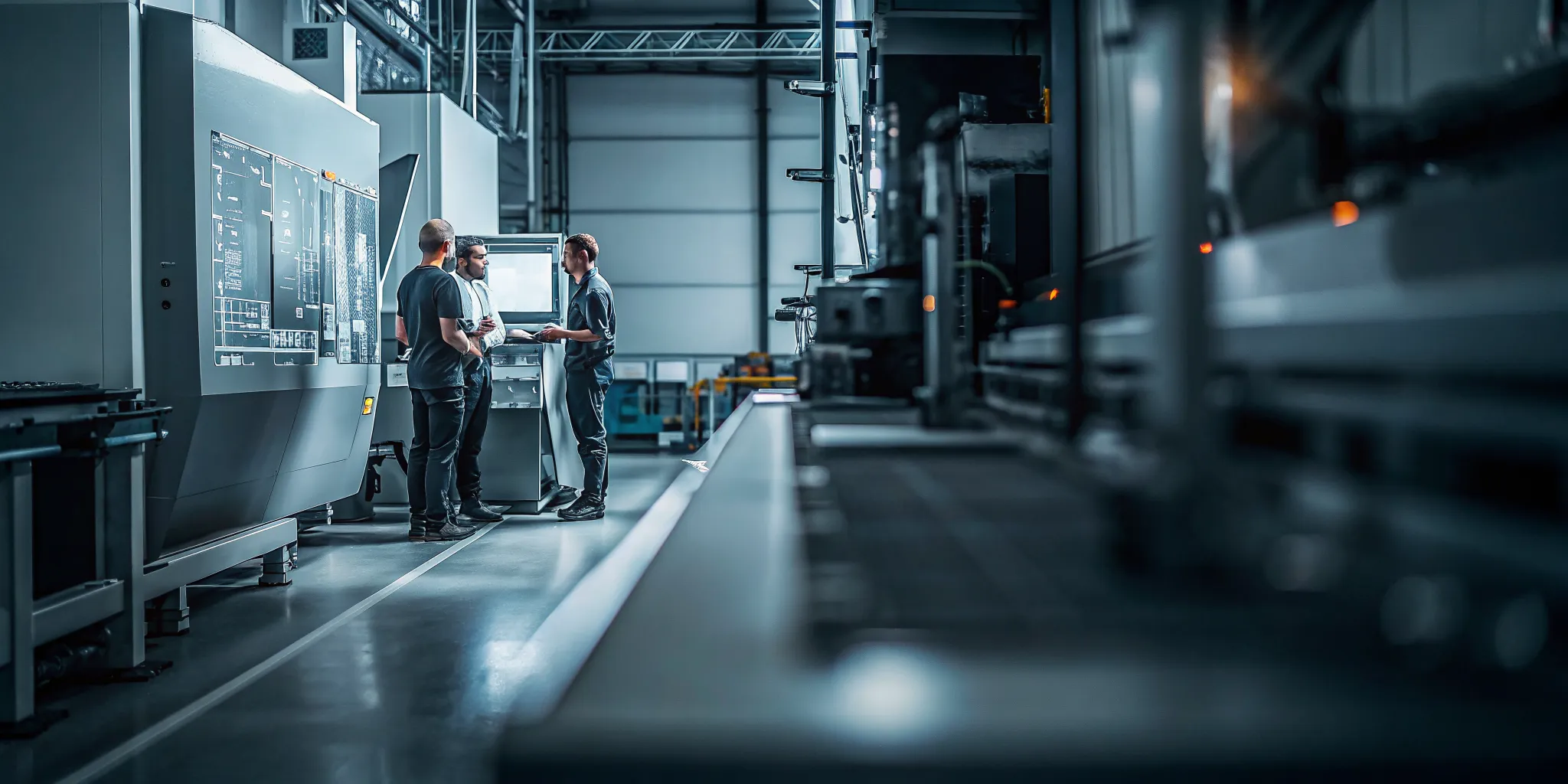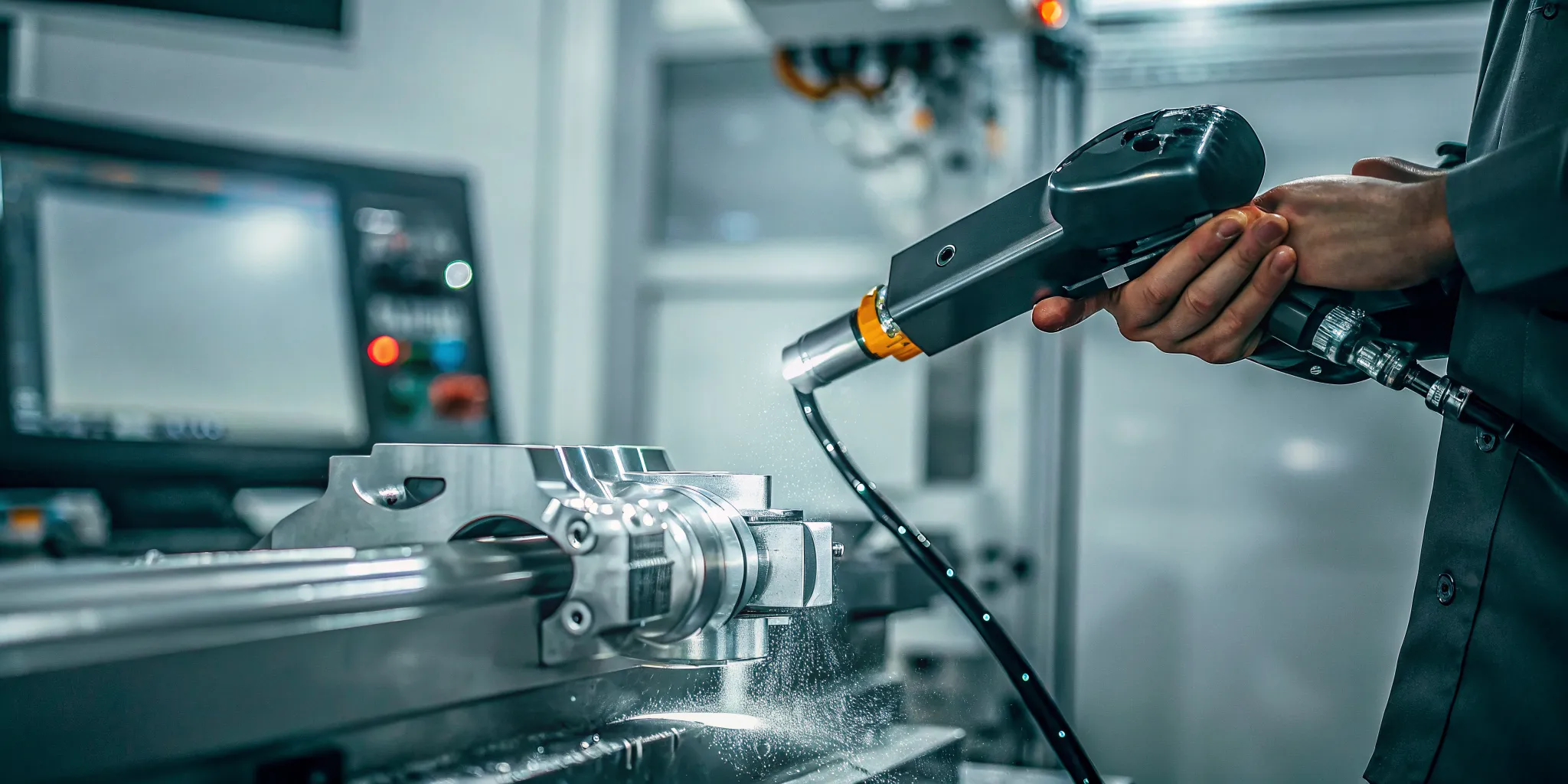
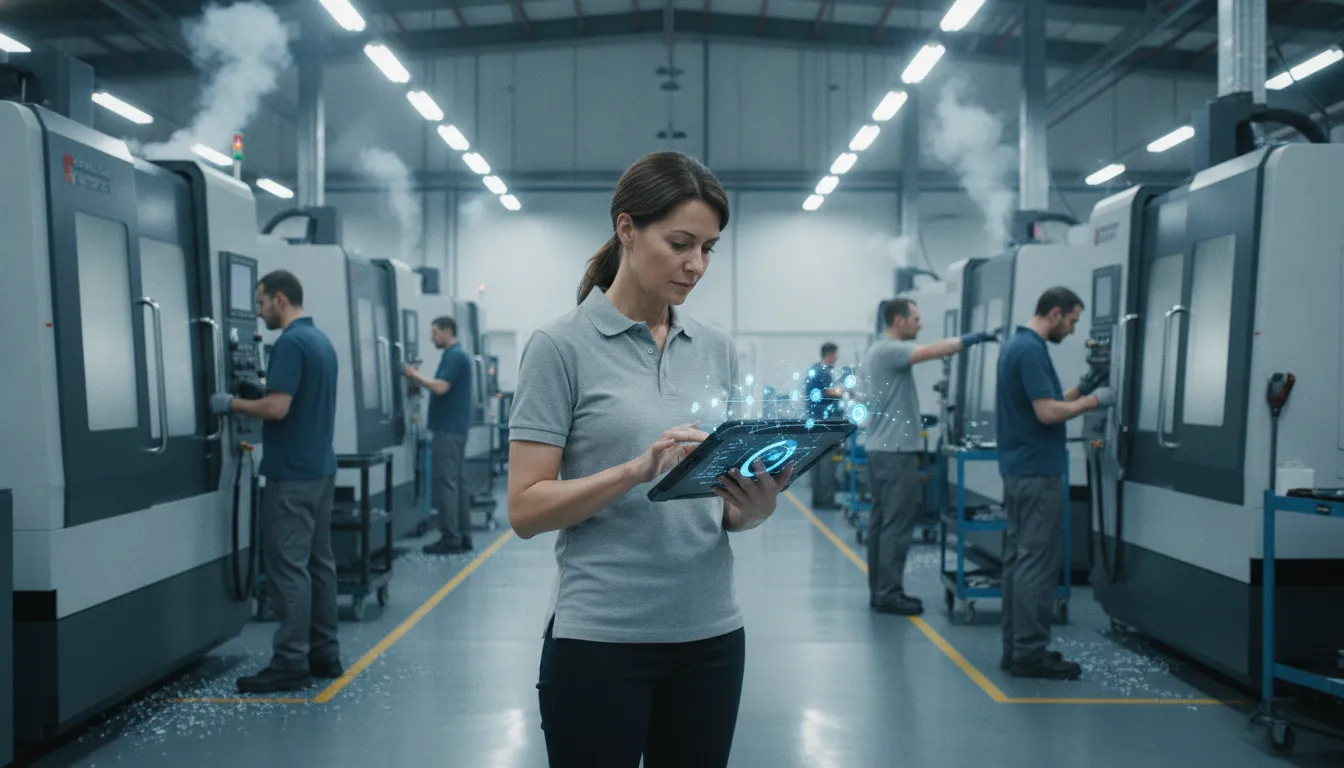
Running a manufacturing facility often means dealing with a constant stream of unexpected problems, from machine breakdowns to last-minute schedule changes. Industry 4.0 offers a way to get ahead of the chaos. By integrating sensors and smart software, you can create a connected ecosystem that gives you a live, transparent view of your entire production process. This constant flow of information empowers you to make data-driven decisions that prevent disruptions and streamline workflows. This guide explains the foundational technologies behind this shift and explores various industry 4.0 applications examples, demonstrating how you can use real-time data to improve everything from inventory management to production scheduling.
Key Takeaways
- Gain complete operational visibility: Industry 4.0 connects your machines and software to give you a live, accurate view of your entire shop floor. This replaces guesswork with hard data, allowing you to make smarter decisions that improve efficiency and reduce costs.
- Solve specific problems with the right tools: The goal isn’t to adopt every new technology, but to use the right ones to fix your biggest headaches. Use machine monitoring to prevent unexpected downtime or adopt dynamic scheduling to eliminate production bottlenecks and deliver work on time.
- Start with a focused pilot project: A successful transformation begins with a single, strategic step. Identify one key area for improvement, implement a solution, and use the measurable results to build momentum and prove the value of your investment to your team.
What is Industry 4.0 (And How Can It Help Your Shop)?
You’ve probably heard the term “Industry 4.0” and wondered if it’s just another buzzword. In reality, it’s the next logical step in manufacturing, and it’s all about making your shop smarter, faster, and more efficient. Think of it as the fourth major industrial revolution, where we’re not just building machines, but connecting them to intelligent digital systems. At its core, Industry 4.0 is about creating a seamless flow of information between your physical equipment and your management software.
So, what does this actually mean for your shop floor? It means your machines can talk to your scheduling system, your scheduling system can talk to your inventory, and all that information is available to you in real-time. Instead of relying on manual data entry or reports that are hours (or days) old, you get an accurate, live picture of your entire operation. This constant stream of information allows you to move from being reactive to proactive. You can spot potential bottlenecks before they cause delays, schedule maintenance before a machine breaks down, and adjust production on the fly to meet changing customer demands.
The real power of this approach is in the decisions it helps you make. With clear, immediate data analytics, you can optimize every part of your process. This leads to tangible benefits like reduced waste, lower operational costs, and a much greater ability to deliver high-quality work on time. It gives you the flexibility to handle smaller, more customized batches without sacrificing performance, which is a huge advantage in the modern market. Ultimately, it’s about using technology to work smarter, not just harder.
Meet the Core Technologies Behind Industry 4.0
When you hear “Industry 4.0,” it’s easy to get lost in the buzzwords. But at its core, this new phase of manufacturing is powered by a handful of key technologies that work together to make your shop smarter, faster, and more efficient. Think of them not as separate, complicated systems, but as the essential components of a single, connected operation. Each piece plays a distinct role, from gathering information on the shop floor to making intelligent decisions that guide your entire production process. These aren’t futuristic concepts reserved for massive corporations; they are practical tools that can solve everyday challenges in shops of any size.
Understanding these technologies is the first step to seeing how they can fit into your own facility. They are the building blocks of a modern factory, enabling everything from predictive maintenance to fully automated quality control. By connecting your physical equipment to powerful digital systems, you create a seamless flow of information that gives you unprecedented visibility and control over your operations. This integration is what defines Industry 4.0 and opens the door to a more competitive and resilient manufacturing future. Let’s look at the main players and what they actually do for you.
The Internet of Things (IoT) and Connected Devices
The Internet of Things, or IoT, is the foundation of the smart factory. It’s a network of physical objects, like machines, tools, and sensors, that are embedded with software and connected to the internet. This connection allows them to collect and share data in real time. For your shop floor, this means you can get live updates on machine status, production counts, and operating conditions without manual tracking. This constant stream of information is crucial for effective machine monitoring, giving you a clear and accurate picture of what’s happening at every moment.
Artificial Intelligence and Machine Learning
If IoT devices are the senses of your factory, then Artificial Intelligence (AI) and Machine Learning (ML) are the brain. These systems take the massive amounts of data collected by IoT sensors and analyze it to find patterns, predict outcomes, and make intelligent recommendations. Instead of just telling you a machine is running hot, AI can predict it will fail in the next 48 hours and automatically adjust the schedule. This capability is a game-changer for optimizing your production scheduling, as the system can learn and adapt to find the most efficient path for every job.
Advanced Robotics and Automation
Robotics in Industry 4.0 go far beyond the simple, repetitive arms of the past. Today’s advanced robots are more flexible, collaborative, and easier to program. They can work safely alongside human employees, handle complex assembly tasks with incredible precision, and quickly switch between different jobs. This level of automation helps reduce errors, increase throughput, and free up your skilled workers to focus on more valuable tasks that require human ingenuity. By automating key physical processes, you can execute the smart decisions made by your AI systems with speed and reliability.
Big Data Analytics and Cloud Computing
With all your machines and systems generating information, you need a way to manage it all. That’s where big data and cloud computing come in. Cloud platforms provide a secure and scalable place to store the enormous volumes of data your factory produces. More importantly, powerful data analytics tools can process this information to uncover deep insights into your operations. You can identify hidden bottlenecks, track performance trends over time, and make strategic, data-driven decisions that improve your entire business, from the shop floor to the front office.
See How Smart Manufacturing Improves Efficiency
Smart manufacturing is all about using technology to work smarter, not just harder. By connecting your machines, processes, and people, you gain a clear, real-time view of your entire operation. This connectivity turns raw data into actionable insights, allowing you to spot inefficiencies, prevent problems before they start, and make informed decisions that directly impact your bottom line. Instead of relying on guesswork or outdated reports, you can optimize workflows based on what’s actually happening on the shop floor right now.
The goal isn’t just to add new gadgets; it’s to create a more responsive, productive, and profitable manufacturing environment. These technologies help you streamline everything from machine maintenance to quality control, ensuring you can deliver high-quality products on time and within budget. The right integrated system brings all these moving parts together, giving you the control needed to drive continuous improvement across your facility.
Predict Maintenance Needs Before They Happen
Imagine knowing a machine needs a repair before it actually breaks down. That’s the power of predictive maintenance. By using sensors to collect real-time data on equipment health, like temperature and vibration, you can identify warning signs of potential failure. This allows you to schedule maintenance proactively, ordering parts and arranging for service during planned downtime instead of scrambling to fix a broken machine while production grinds to a halt.
This approach minimizes unexpected interruptions, extends the life of your equipment, and keeps your production schedule on track. Effective machine monitoring is the foundation, turning your maintenance strategy from reactive to predictive and saving you significant time and money.
Create a “Digital Twin” of Your Operations
A digital twin is a virtual, dynamic model of your physical shop floor. It’s a risk-free sandbox where you can test changes before implementing them in the real world. Want to see how a new production schedule might affect output? Or how rearranging a work cell could reduce bottlenecks? You can simulate these scenarios in the digital twin using real-time data from your operations.
This powerful tool helps you optimize processes, train employees, and plan for future changes without disrupting current production. By leveraging strong data analytics, a digital twin provides the foresight to make smarter, more strategic decisions for your facility’s layout and workflow.
Automate Quality Control and Inspection
Manual quality checks can be slow, inconsistent, and unable to keep up with modern production speeds. Industry 4.0 introduces automated quality control using high-speed cameras and artificial intelligence to inspect products with incredible precision. These systems can spot tiny defects or deviations from specifications in real time, flagging issues the moment they occur.
Catching errors early prevents defective products from moving down the line, which drastically reduces waste and rework costs. This immediate feedback loop, powered by accurate shop floor data collection, ensures that every item leaving your facility meets the highest quality standards, protecting your reputation and improving customer satisfaction.
Monitor and Schedule Production in Real-Time
A static production schedule becomes obsolete the moment an unexpected event occurs. With smart manufacturing, you can connect your machines directly to your scheduling software for a live, transparent view of your entire shop floor. You can see which jobs are running, track progress against deadlines, and immediately identify any machines that are down or running slow.
This real-time visibility allows you to make instant adjustments, reallocating resources and updating priorities on the fly. Dynamic production scheduling means you can respond quickly to rush orders or delays, providing customers with more accurate delivery dates and making your entire operation more agile and efficient.
How Can Industry 4.0 Improve Your Supply Chain?
Industry 4.0 doesn’t just transform what happens inside your factory walls; it revolutionizes your entire supply chain. By connecting your operations with your suppliers and customers, you can create a transparent, responsive, and resilient network. This shift moves you from reacting to disruptions to proactively managing them. Instead of guessing what’s next, you’ll have the data to see around corners, ensuring materials arrive when needed and finished products get to customers on schedule. This end-to-end visibility is key to delivering work on time and protecting your bottom line from costly delays.
Manage Inventory Intelligently
Forget the old “just-in-case” approach to inventory that ties up capital and space. Industry 4.0 technologies help you run a leaner, more efficient operation. With IoT sensors tracking raw materials and finished goods in real-time, you always know exactly what you have and where it is. This data feeds into predictive analytics systems that can forecast demand with incredible accuracy. As a result, you can automate reordering processes to maintain optimal stock levels, preventing both costly overstock situations and production-halting shortages. This intelligent approach to inventory is a cornerstone of a truly optimized factory.
Automate Your Warehouse Systems
A smart factory deserves a smart warehouse. Industry 4.0 brings powerful automation to your storage and fulfillment processes, reducing manual errors and speeding up operations. Imagine autonomous mobile robots zipping through aisles to retrieve parts or robotic arms precisely picking and packing orders. In a connected facility, real-time information flows from sensors on your equipment directly into your ERP. This seamless shop floor data collection can trigger immediate action, like dispatching a robot or updating inventory counts, creating a new level of operational productivity. This not only gets orders out the door faster but also creates a safer environment for your team.
Optimize Logistics and Delivery
The final mile of your supply chain is just as important as the first. Industry 4.0 gives you the tools to make logistics and delivery smarter and more efficient. By using GPS and IoT sensors on shipments, you gain complete visibility into your products’ journey from the factory floor to the customer’s door. This data allows AI-powered systems to optimize delivery routes in real-time, avoiding traffic jams and other delays. This level of flexibility is crucial for meeting modern customer expectations. You can provide accurate delivery estimates, handle last-minute changes, and ensure your production scheduling efforts result in on-time deliveries, every time.
Industry 4.0 in Action: Examples by Sector
It’s one thing to talk about smart factories in theory, but it’s another to see how these technologies are making a real impact on the ground. Industry 4.0 isn’t a far-off future concept; it’s happening right now across various manufacturing sectors. From the cars we drive to the food we eat, smart manufacturing is reshaping production lines, making them faster, more precise, and more efficient. Let’s look at a few examples of how different industries are putting these principles into practice.
Automotive Production and Assembly
The automotive industry has always been at the forefront of automation, and Industry 4.0 is taking it to the next level. For instance, companies like Great Wall Motor use advanced robotics for incredibly precise welding and assembly. But the real magic happens when this hardware is paired with sophisticated software that optimizes the entire workflow. This integration allows for real-time adjustments, reduces bottlenecks, and ensures every vehicle meets exacting standards. This level of coordination is achieved through robust production scheduling that keeps every part of the assembly line in perfect sync, from the first weld to the final inspection.
Electronics and Semiconductor Manufacturing
In the fast-paced world of electronics, precision and speed are everything. Manufacturers like Pegatron are using Industry 4.0 to gain a competitive edge. They’ve implemented technologies like digital twins to create virtual models of their production lines for real-time monitoring and simulation. They also use AI for quality inspections, catching microscopic defects the human eye might miss. This deep dive into operational data is powered by comprehensive data analytics, which turns raw numbers from the shop floor into clear, actionable insights for improving processes and product quality.
Food and Beverage Processing
The food and beverage industry is using Industry 4.0 to improve efficiency and safety. Dairy producers, for example, leverage IoT sensors and big data to monitor production conditions, ensuring quality and consistency. Many have also adopted robotics for packing and Laser Guided Vehicles (LGVs) to move products around the facility without human intervention. To make it all work, they rely on software that constantly monitors production metrics. Effective shop floor data collection is the foundation, giving managers the visibility they need to streamline operations and ensure every product is ready for delivery on time.
Pharmaceutical and Medical Device Manufacturing
For pharmaceutical and medical device manufacturers, adaptability and compliance are critical. Investing in a solid Industry 4.0 infrastructure allows these companies to build flexible facilities that can be expanded or reconfigured with lower costs. This strategic approach means they can incorporate new technologies as they become available, helping them stay competitive in a rapidly changing market. By building a connected and data-driven foundation, they can more easily scale production, introduce new products, and meet stringent regulatory requirements without having to completely overhaul their existing systems.
What Benefits Can Your Company Expect?
Adopting Industry 4.0 isn’t just about getting new gadgets for your shop floor; it’s about fundamentally changing how your business operates for the better. When you integrate smart technologies, you’re setting your company up for some serious, tangible wins. Think of it as giving your team superpowers. Suddenly, you have a crystal-clear view of your entire production process, from start to finish. This visibility allows you to catch small issues before they become big problems, streamline workflows you didn’t even realize were inefficient, and make decisions based on hard data instead of gut feelings.
The real magic happens when these technologies start working together. Your machines start talking to your software, your software analyzes the data, and you get actionable insights delivered right to you. This connected ecosystem creates a ripple effect of positive changes. You’ll see improvements in efficiency, reductions in waste, and a stronger bottom line. It’s a strategic move that prepares your manufacturing business not just to compete, but to lead in an increasingly complex market. The benefits aren’t just theoretical; they are practical, measurable, and can transform your company’s performance.
Increase Operational Efficiency and Productivity
One of the most immediate benefits of Industry 4.0 is a significant jump in efficiency. Smart systems use real-time data from connected devices to fine-tune your workflows and manage resources with incredible precision. Imagine your machines automatically reporting their status, performance, and maintenance needs. This constant flow of information allows you to optimize every step of the production process. With effective machine monitoring, you can identify and resolve bottlenecks, reduce idle time, and ensure every piece of equipment is running at its peak. This leads to higher output without needing to add more shifts or machines, letting you do more with what you already have.
Reduce Costs Through Process Optimization
A more efficient factory is a less expensive one to run. Industry 4.0 technologies help you automate and optimize your operations, which directly translates into cost savings. By analyzing data from the shop floor, you can pinpoint areas of waste, whether it’s excess material scrap, high energy consumption, or inefficient use of labor. For example, predictive maintenance alerts prevent costly emergency repairs and unplanned downtime. Better production scheduling ensures that jobs flow smoothly through the shop, minimizing setup times and maximizing throughput. These optimizations add up, leading to lower operational costs and healthier profit margins.
Improve Product Quality and Customization
In today’s market, customers expect high quality and often want customized products. Industry 4.0 helps you deliver on both fronts. Automated quality control systems can inspect products with a level of accuracy and consistency that is difficult to achieve manually, catching defects early in the process. At the same time, the flexibility of smart manufacturing makes it easier to handle a high mix of products in small batches. You can quickly switch between different jobs without sacrificing performance or efficiency. This agility allows you to meet evolving customer demands and take on custom orders that might have been unprofitable before.
Make Smarter, Data-Driven Decisions
Guesswork has no place in a modern manufacturing facility. Industry 4.0 replaces assumptions with facts by providing a wealth of data about your operations. With access to real-time information, managers can make smarter, faster decisions that have an immediate impact on the shop floor. Comprehensive data analytics tools turn raw numbers into clear, visual reports, highlighting trends, patterns, and opportunities for improvement. This insight empowers your team to proactively manage production, anticipate challenges, and plan for the future with confidence. It’s about having the right information at the right time to steer your business in the right direction.
Prepare for These Common Industry 4.0 Challenges
Adopting Industry 4.0 technologies can transform your manufacturing operations, but it’s not a simple flip of a switch. Like any major business initiative, it comes with its own set of hurdles. Being aware of these potential roadblocks is the first step to creating a strategy that sidesteps them. A successful transition isn’t just about buying new tech; it’s about thoughtfully integrating it into your existing people, processes, and equipment. The path to a smart factory is a journey of strategic implementation, not an overnight change. Many companies get excited about the potential benefits, like increased efficiency and reduced waste, but they sometimes underestimate the groundwork required to get there. This can lead to frustration, stalled projects, and a feeling that the technology isn’t living up to its promise. However, these challenges are not insurmountable. In fact, they are well-documented and predictable, which is good news for you. It means you can plan for them. The most common challenges that manufacturers face are the high initial investment, the need for new employee skills, the difficulty of integrating new systems with old ones, and the critical importance of cybersecurity. It might sound like a lot to handle, but with careful planning, each of these can be managed effectively. The key is to approach your Industry 4.0 transformation with a clear-eyed view of what to expect, allowing you to build a resilient plan that delivers real results without derailing your operations. Let’s walk through each of these challenges and discuss practical ways to prepare for them.
Manage High Initial Costs and ROI
Let’s be honest: the initial investment for smart factory technology can seem steep. New sensors, software, and connected machinery come with a significant price tag, and it can be difficult to see a clear return on that investment right away. The key is to shift your focus from cost to value. Instead of a complete overhaul, start with a pilot project in an area where you know you can make a big impact. By using data analytics to measure performance before and after, you can build a strong business case. This allows you to demonstrate tangible ROI, like reduced downtime or faster cycle times, making it easier to secure buy-in for future, larger-scale projects.
Address the Skills Gap with Workforce Training
Industry 4.0 runs on data and digital skills, which may be new to your current team. Many employees are experts at their craft but might not be comfortable with new software or data analysis tools. This skills gap can create resistance and prevent you from getting the most out of your new technology. The solution is to invest in your people just as you invest in your machines. Develop a comprehensive training program to upskill your workforce, focusing on how these new tools make their jobs easier and more effective. Fostering a culture of continuous learning and choosing intuitive, user-friendly software can help ease the transition and empower your team to embrace change.
Integrate New Tech with Legacy Systems
Your shop floor is likely filled with reliable, legacy equipment that isn’t going anywhere soon. A major challenge of Industry 4.0 is getting brand-new smart technology to communicate with these older machines. A “rip and replace” strategy is often too costly and disruptive. The goal is to find solutions that can bridge the gap between old and new. Look for platforms designed for flexibility, with the ability to connect to a wide variety of equipment, regardless of age or brand. Effective shop floor data collection tools can pull information from nearly any machine, turning your existing assets into smart, connected devices without requiring a complete factory overhaul.
Protect Your Data with Strong Cybersecurity
As you connect more devices to your network, you also create more potential entry points for cyberattacks. Protecting your sensitive production data, intellectual property, and operational technology is absolutely critical. Cybersecurity can’t be an afterthought; it needs to be a core part of your Industry 4.0 strategy from day one. This means implementing robust security measures like network segmentation, access controls, encryption, and regular security audits. Work with your IT team or a trusted partner to assess your vulnerabilities and create a plan to safeguard your newly connected factory from potential threats, ensuring your operations remain secure and resilient.
Your First Steps Toward an Industry 4.0 Transformation
Making the move to Industry 4.0 can feel like a massive undertaking, but it doesn’t have to be. You don’t need to overhaul your entire operation overnight. The most successful transformations happen step by step, starting with smart, targeted improvements that solve your most pressing problems first. Think of it as building a foundation for future growth, not just flipping a switch. By focusing on a clear strategy, you can make meaningful changes that deliver real value quickly, build momentum, and get your team on board.
The key is to approach it methodically. Start by understanding where you are today, then identify where you want to go, and finally, map out how to get there. This process helps you avoid costly mistakes and ensures that every investment you make is aligned with your business goals. It’s about making technology work for you, not the other way around. The following steps will give you a practical framework for starting your journey, turning the big idea of Industry 4.0 into a manageable and achievable plan for your shop.
Assess Your Current Infrastructure
Before you can plan for the future, you need a clear picture of your present. Take a detailed look at your current infrastructure. This means evaluating everything from the age and capabilities of your machines to the software you use for scheduling and data management. What are your biggest bottlenecks? Where do communication breakdowns happen most often? Understanding these pain points is the first step toward finding the right solutions.
This assessment isn’t just about finding weaknesses; it’s also about identifying strengths you can build on. Maybe your team is great at manual tracking, but a shop floor data collection system could free them up for higher-value tasks. A thorough evaluation gives you a baseline, helping you measure progress and prove the return on your investment down the line.
Select the Right Technologies for Your Operations
With a clear assessment in hand, you can start exploring technologies that solve your specific problems. The goal isn’t to adopt every new gadget but to choose tools that directly address the inefficiencies you’ve identified. If you’re constantly struggling with late deliveries and chaotic scheduling, a powerful production scheduling system is a logical starting point. If unexpected machine downtime is eating into your profits, real-time machine monitoring should be your priority.
Focus on technologies that offer the biggest impact with the least disruption. Look for solutions that are intuitive for your team to use and can integrate with the systems you already have in place. The right technology should feel like a natural extension of your operations, helping you automate and optimize your factory more efficiently and giving your team the tools they need to excel.
Plan a Strategic, Phased Rollout
Trying to implement everything at once is a recipe for confusion and resistance. A strategic, phased rollout is a much smarter approach. Start with a pilot project in a single area of your facility. This allows you to test the new technology in a controlled environment, work out any kinks, and demonstrate its value to the rest of the organization. A successful pilot creates champions for the new system and builds momentum for wider adoption.
Your plan should also map out how new tools will connect with your existing systems, like your ERP. A well-planned integration strategy ensures that data flows seamlessly across your entire operation, giving you a single, reliable source of truth. This connected approach is what turns individual tools into a powerful, unified system that provides clear data analytics and drives smarter business decisions.
What’s Next for Smart Manufacturing?
Industry 4.0 isn’t a final destination; it’s the foundation for what comes next in manufacturing. The future is about creating operations that are not just connected, but truly intelligent and responsive. The focus is shifting from simply implementing new technology to building a manufacturing ecosystem that can adapt to market demands in the blink of an eye. This means more automation, smarter analytics, and an even greater emphasis on flexibility.
One of the biggest shifts we’ll see is a move toward hyper-customization. The days of producing one product in massive quantities are evolving. Customers want variety, and smart factories will be expected to produce a high range of products in smaller batches without sacrificing performance. This requires incredibly agile production scheduling that can pivot quickly, reallocating resources and adjusting workflows to handle rapid changeovers seamlessly. The goal is to make your facility as responsive as possible to emerging customer needs.
This level of agility is only possible with a deeper use of real-time data. While many shops already collect data, the next step is using it for immediate, automated decision-making. Imagine systems that don’t just alert you to a potential machine failure but also automatically adjust the production schedule to compensate for the downtime. This proactive approach, driven by advanced data analytics, will transform how resources are managed and workflows are optimized, ensuring you get the most out of every minute on the shop floor. The infrastructure you invest in today should be a flexible framework that can adopt new technology as it becomes available, future-proofing your operations for years to come.
Related Articles
Frequently Asked Questions
Is Industry 4.0 only for large corporations? Not at all. While big companies get a lot of attention, the principles of Industry 4.0 are scalable to shops of any size. The key is to start small and focus on solving your most significant problem first. You don’t need a massive budget or a complete factory overhaul; you can begin with a single solution, like real-time machine monitoring or better production scheduling, and build from there as you see a return on your investment.
This all sounds great, but where do I begin? The best starting point is to identify your biggest operational headache. Are you constantly dealing with unexpected machine downtime, or is your main challenge keeping up with a chaotic production schedule? Once you pinpoint your primary pain point, you can look for a specific technology that solves that problem. A focused pilot project is a great way to start, as it allows you to demonstrate value quickly without disrupting your entire operation.
Do I need to replace all my existing equipment to get started? Absolutely not. This is one of the most common myths about smart manufacturing. Modern systems are designed to work with the equipment you already own. By using sensors and flexible data collection tools, you can connect your legacy machines to a central software platform. This allows you to get valuable real-time information from your existing assets, turning them into smart devices without the massive cost of replacement.
What is the most immediate benefit I can expect to see? While the long-term benefits are extensive, the most immediate change you’ll likely notice is a huge improvement in visibility. Instead of relying on manual reports or walking the floor, you get a live, accurate view of your entire operation on one screen. This clarity allows you to spot bottlenecks, understand machine performance, and make faster, more informed decisions from day one.
How does this technology help with the day-to-day challenge of meeting deadlines? It transforms scheduling from a static plan into a dynamic, responsive tool. When your scheduling software is connected to your machines, you know exactly how every job is progressing in real time. If a problem arises, you’re alerted instantly, not hours later. This allows you to make immediate adjustments, re-route work, and provide customers with accurate delivery dates, helping you consistently deliver jobs on time.