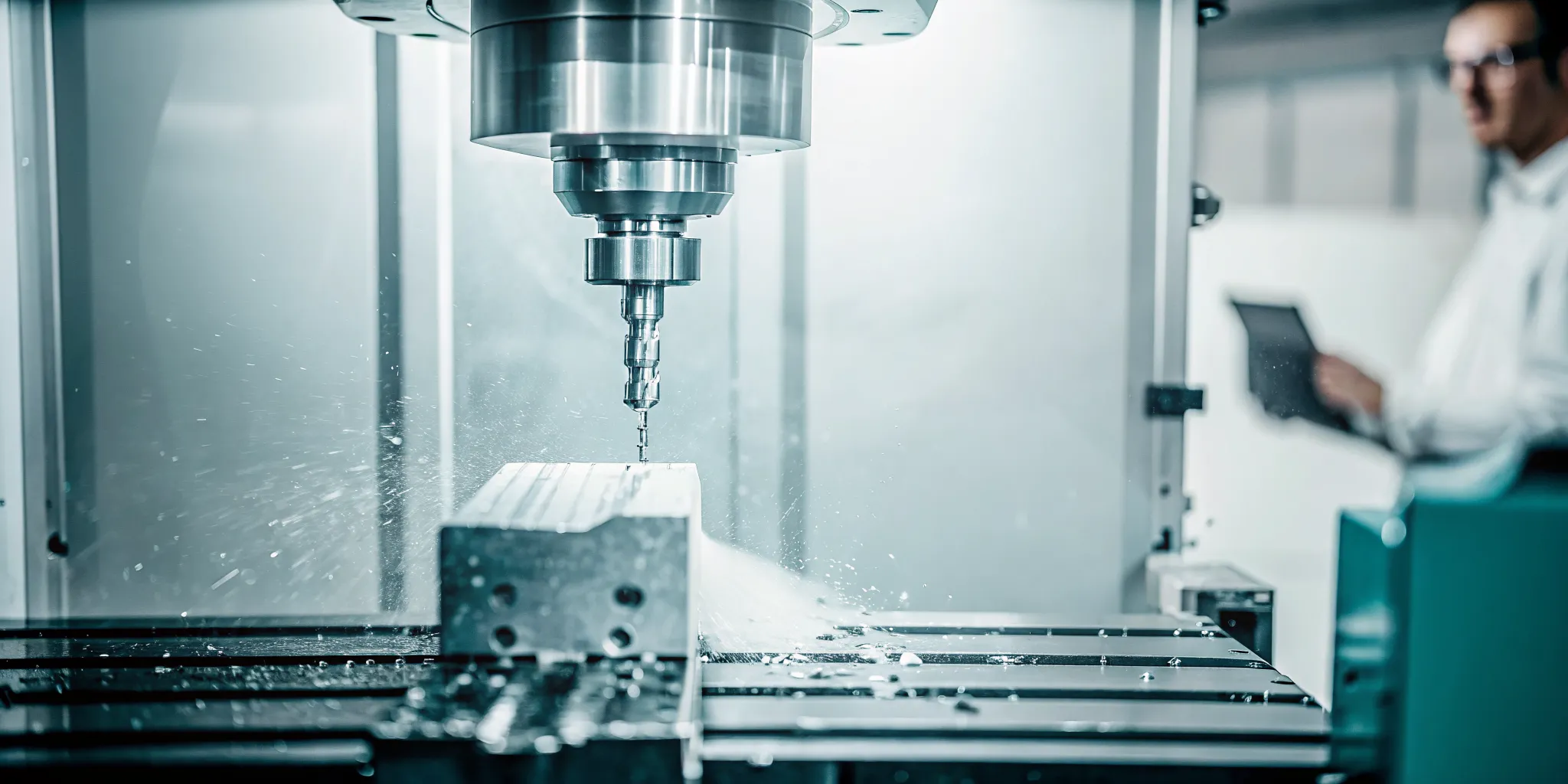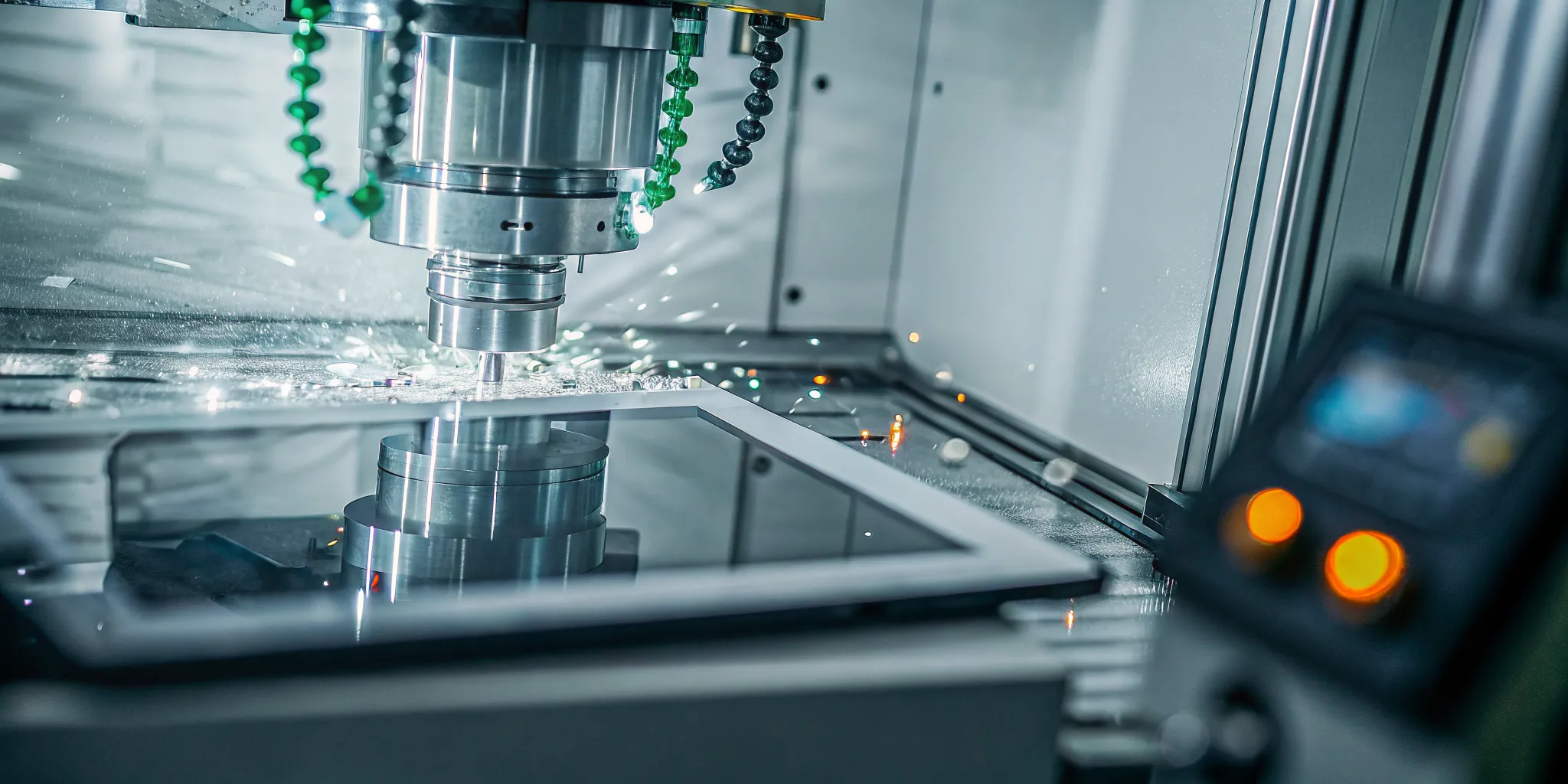

Your machines are some of the most significant investments on your balance sheet, but are you getting the most out of them? Every minute of unplanned downtime, every slow cycle, and every scrapped part represents lost potential and wasted money. OEE software is designed to help you maximize the return on your equipment investment by identifying this hidden factory potential. It gives you a clear, data-driven view of where you’re losing productivity so you can take targeted action. This is the core function of OEE software manufacturing companies use to get more output from their existing assets, often without needing to purchase new equipment.
Key Takeaways
- Use OEE as a starting point, not a final grade: Your OEE score is a powerful indicator that helps you ask the right questions and find the true sources of downtime, slow cycles, or quality issues.
- Prioritize software that integrates with your existing systems: A solution that connects OEE data with your ERP and scheduling tools provides a single source of truth, helping you see how machine performance directly affects job costs and delivery timelines.
- Plan for a team-focused implementation: Success isn’t just about installing software; it’s about setting clear goals, getting your team trained and involved, and consistently using the data to make informed decisions and solve problems together.
What is OEE Software and Why Does Your Shop Floor Need It?
If you feel like your production reports are a bit of a black box, you’re not alone. It can be tough to get a clear, honest look at how well your machines are actually performing. This is where OEE software comes in. It’s designed to cut through the noise and give you a straightforward way to measure and improve your shop floor’s productivity. Think of it as a fitness tracker for your equipment, helping you see exactly where you’re excelling and where you have room to grow.
First, What is Overall Equipment Effectiveness (OEE)?
Let’s start with the basics. Overall Equipment Effectiveness, or OEE, is a single number that tells you how well your equipment is running compared to its full potential. It’s a simple percentage that combines three critical factors into one metric:
- Availability: How much time is your machine actually running versus the time it was scheduled to run? This accounts for unplanned downtime.
- Performance: When the machine is running, is it operating as fast as it should be? This looks at slow cycles and minor stops.
- Quality: How many good parts are you producing? This accounts for defects and parts that need to be reworked.
By combining these three scores, you get a complete picture of your production efficiency.
How OEE Software Transforms Manufacturing
OEE software takes the guesswork out of tracking these metrics. Instead of relying on manual data entry, the software connects to your machines to automatically gather data and calculate real-time OEE scores. This automated approach to shop floor data collection is a game-changer. By measuring efficiency through OEE, you can quickly identify what’s holding you back and take action. The software helps you see the hidden potential in your operations, allowing you to make more products, lower costs, and run a smoother shop floor. It turns raw data into clear, actionable insights for your team.
Solve Common Production Challenges with OEE
Every shop floor deals with challenges like unplanned stoppages, slow changeovers, and inefficient processes. Often, the hardest part is figuring out the root cause. OEE software provides the clarity you need when other reports are confusing or “noisy.” It helps you pinpoint the exact reasons for low OEE, whether it’s a maintenance issue, operator training, or a workflow bottleneck. This clarity gets everyone on the same page. When you have solid data backing your decisions, it’s easier to make changes that lead to real improvements and optimize your entire production scheduling process.
How Does OEE Software Actually Work?
So, how does OEE software go from a concept to a practical tool on your shop floor? It’s not magic, just smart technology designed to give you a clear picture of your operations. At its core, the software works in a simple, three-step cycle: it connects to your machines to gather data, crunches the numbers to calculate key metrics, and shares those insights with your other business systems. This process replaces manual tracking and guesswork with automated, accurate information, helping you understand exactly how your equipment is performing at any given moment.
Collect and Monitor Data in Real Time
The first step is connecting directly to your equipment. OEE software uses sensors and digital connections for machine monitoring to pull data straight from the source. This means you get a live, unbiased feed of what’s happening on the shop floor. You can see when a machine is running, when it’s stopped, and why. This real-time visibility is powerful because it eliminates the delays and errors that come with manual data collection. Your team can see the immediate impact of their work and identify small issues before they become major problems, creating a culture of proactive improvement right on the shop floor.
Automatically Calculate Key Performance Metrics
Once the software has the raw data, it does the heavy lifting for you. It automatically calculates your OEE score by analyzing its three core components: Availability (run time vs. planned production time), Performance (actual speed vs. ideal speed), and Quality (good parts vs. total parts). Instead of spending hours with spreadsheets, you get instant, accurate KPIs. This allows you to see beyond just the output and understand the true potential of your machines. With clear data analytics, you can pinpoint exactly where you’re losing productivity, whether it’s due to unplanned downtime, slow cycles, or defects.
Integrate with Your Existing Manufacturing Systems
Great OEE software doesn’t operate in a silo. It’s designed to become part of your larger technology ecosystem by integrating with the systems you already use, like your ERP. This connection ensures that the valuable data from your shop floor informs every aspect of your business, from inventory management to financial forecasting. When your OEE data flows seamlessly into your production scheduling system, for example, you can create more realistic schedules based on actual machine capacity. This level of integration breaks down information barriers and helps every department make smarter, more coordinated decisions.
Key Features to Look for in OEE Software
When you start looking at OEE software, you’ll find plenty of options. But not all solutions are built to deliver the results you need. The right software goes beyond simple data collection; it gives you the tools to understand what’s happening on your shop floor and the power to make meaningful improvements. To make sure you’re choosing a system that will truly support your goals, focus on these four key features.
Live Dashboards and Analytics
You can’t manage what you can’t see. That’s why live dashboards are a must-have. This feature gives you a real-time, visual snapshot of your entire operation, from a high-level plant overview down to the performance of a single machine. A great OEE dashboard helps you track key performance indicators (KPIs) instantly, so you can spot bottlenecks or developing issues before they cause major delays. Look for software that offers clear, intuitive visualizations and powerful data analytics to put every metric into context. This immediate feedback loop is what allows your team to react quickly and keep production on track.
Predictive Maintenance Alerts
Simply knowing your OEE score isn’t enough. If the data doesn’t lead to a solution, you’re not fixing the root cause of the problem. The best OEE software creates a direct link between performance diagnostics and maintenance action. Instead of just reporting that a machine’s performance is dropping, it should automatically trigger an alert for your maintenance team. This shifts your strategy from reactive repairs to proactive, predictive maintenance. By using real-time machine monitoring to catch small issues early, you can schedule maintenance on your terms and drastically reduce costly, unplanned downtime.
Custom Reports and KPI Tracking
Every manufacturing floor has its own unique challenges and goals. A one-size-fits-all reporting system just won’t cut it. Your OEE software should give you the flexibility to create custom reports and track the KPIs that matter most to your business. Beyond the core OEE components of availability, performance, and quality, you might want to monitor metrics like scrap rates, cycle times, or setup times. The ability to tailor reports for different teams, from operators to executives, ensures that everyone gets the specific information they need to drive improvements in their area of responsibility.
Seamless Integration and Scalability
Your OEE software needs to be a team player. It shouldn’t operate in a silo; it must integrate smoothly with your existing systems, like your ERP and MES. This ensures a single source of truth and allows data to flow freely across your entire operation, a core principle of Industry 4.0. Also, think about the future. The right solution should be scalable, capable of growing with your business as you add new machines, production lines, or even facilities. Choosing a system that can adapt to your needs ensures it will remain a valuable asset for years to come.
What Does a Leading OEE Solution Look Like?
The best OEE software doesn’t operate in a vacuum. Instead of just spitting out a single score, a leading solution acts as the central nervous system for your entire production process. It connects the dots between machine performance, scheduling, and real-time shop floor activities, moving you from simply measuring OEE to actively improving it. This integrated approach gives you a complete, contextual view of your operations, so you can see the whole picture, not just one piece of the puzzle. It’s about understanding the “why” behind your numbers.
A top-tier solution provides a single source of truth that bridges the gap between the shop floor and the front office. It translates raw machine data into meaningful business intelligence, showing you how a dip in performance on one machine could impact your delivery dates or job costs. This holistic view ensures that everyone, from operators to plant managers, is working with the same information and toward the same goals. Rather than just identifying problems after the fact, a leading OE solution helps you anticipate challenges, optimize resource allocation, and make proactive decisions that drive efficiency across the board. It transforms OEE from a passive metric into an active tool for continuous improvement.
A Look at JobPack’s Integrated Platform
A great example of this holistic approach is an integrated platform like JobPack. It’s designed to be more than just an OEE calculator. It combines powerful production scheduling with real-time machine monitoring and shop floor data collection. This means your OEE data doesn’t just tell you how a machine is performing; it shows you how that performance impacts your delivery dates, job costs, and overall capacity. By weaving OEE into the fabric of your daily operations, the software provides a single source of truth that helps your entire team work more efficiently and make smarter decisions together.
Focus on Comprehensive Production Management
Truly effective OEE software helps you manage production comprehensively. It recognizes that OEE is a critical key performance indicator (KPI), but it’s one of many that contribute to your success. A leading solution uses OEE to help you understand your true machine potential and then connects that insight to your broader goals. For instance, knowing a machine’s availability is low is useful. Knowing it’s low because of a bottleneck that will delay a high-priority job is powerful. This is where a comprehensive system shines, giving you the context needed to prioritize actions that have the biggest impact on your bottom line.
Delivers Actionable, Real-Time Insights
Data is only valuable when you can act on it. A top-tier OEE solution transforms raw data from your machines into clear, actionable insights in real time. Instead of waiting for an end-of-shift report to find out what went wrong, you can see performance dips as they happen. This allows your team to identify exactly what’s holding back production and take immediate steps to correct it. With JobPack’s data analytics, you can quickly diagnose issues related to availability, performance, or quality, turning your OEE metrics into a practical tool for continuous improvement on the shop floor.
Designed for the Modern Shop Floor
Modern manufacturing moves fast, and your OEE software should too. A leading solution is built for the reality of the shop floor, with intuitive, visual dashboards that everyone can understand at a glance. Think large displays at work cells showing live production data, not complex spreadsheets hidden in a back office. This level of transparency empowers operators to track their own efficiency and take ownership of their performance. Tools that provide real-time machine monitoring create a proactive environment where problems are solved in the moment, not just reported on after the fact.
The Real-World Benefits of OEE Software
Adopting OEE software is about more than just tracking a new set of numbers. It’s about making tangible improvements that directly impact your shop floor’s efficiency and your company’s bottom line. By giving you a clear, data-driven view of your operations, this software helps you pinpoint exactly where you can make meaningful changes. From maximizing the output of your existing machines to cutting down on waste, the benefits are practical and significant. Let’s break down what you can actually expect when you put OEE software to work in your facility.
Get More from Your Equipment
You’ve invested heavily in your machinery, and OEE software helps you get the most out of that investment. It acts as a key performance indicator, showing you the true potential of your equipment. Instead of guessing, you’ll know exactly how your machines are performing against their ideal capacity. This insight allows you to identify hidden factory potential without needing to purchase new equipment. By understanding availability, performance, and quality, you can make targeted adjustments to your production scheduling and processes, ensuring every machine runs as efficiently as possible. It’s not about running machines harder; it’s about running them smarter.
Cut Downtime and Maintenance Costs
Unplanned downtime is a major drain on resources and profitability. OEE software provides the data you need to move from a reactive to a proactive maintenance strategy. By tracking performance and availability in real time, you can spot patterns that lead to equipment failure before they happen. One study showed that implementing a performance tracking solution led to a 15% reduction in unplanned downtime. This allows you to schedule maintenance during planned stops, reducing disruptions and extending the life of your machinery. Better machine monitoring means fewer emergencies, lower repair costs, and more consistent production.
Improve Quality and Reduce Waste
The quality component of OEE directly targets one of the biggest sources of loss in manufacturing: scrap and rework. By tracking the rate of quality parts produced, you can immediately identify when and where defects are occurring. This real-time feedback allows your team to address issues on the spot, preventing a minor problem from ruining an entire batch. Over time, this data helps you find the root causes of quality issues, whether they stem from machine calibration, material inconsistencies, or operator error. The result is a higher first pass yield, less wasted material, and a more profitable operation, as highlighted in our customer case studies.
Make Smarter, Data-Backed Decisions
Gut feelings and guesswork have no place in a modern manufacturing environment. OEE software replaces assumptions with hard data, giving you a reliable baseline to measure improvement. By tracking OEE over time, you can identify what’s holding your production back and take targeted action. These insights support better decision-making across the board, from process improvements and operator training to strategic planning for new equipment. With clear data analytics, you can confidently justify changes, demonstrate progress to stakeholders, and build a culture of continuous improvement based on facts, not hunches.
Common OEE Software Myths, Busted
As powerful as OEE is, a few myths have popped up around it that can trip up even the most seasoned operations managers. Believing these misconceptions can lead you to focus on the wrong things, misinterpret your data, and miss out on real opportunities for improvement. Understanding what OEE software can and can’t do is the first step toward using it effectively. Let’s bust a few of the most common myths so you can approach your shop floor data with clarity and confidence.
Myth: A High OEE Score is the Only Goal
It’s easy to get fixated on chasing a “world-class” OEE score of 85% or higher, but this can be misleading. A high score doesn’t automatically mean your shop is running at peak profitability. For instance, you could have a fantastic OEE score on a machine but be producing the wrong part or running a low-margin job. OEE measures the efficiency of your equipment during scheduled time, but it doesn’t account for scheduling effectiveness or other business factors. Think of OEE as a health indicator, not the final diagnosis. It’s a starting point for asking deeper questions, guiding you toward the root causes of inefficiency that a comprehensive data analytics platform can help uncover.
Myth: One Size Fits All
Comparing the OEE score of a 20-year-old press brake to a brand-new CNC machine is like comparing apples and oranges. Each piece of equipment has its own unique capabilities, constraints, and ideal performance levels. The idea that a single OEE benchmark applies across your entire facility is a setup for frustration. The real value of OEE comes from tracking trends and improvements on individual machines over time. Your goal shouldn’t be to make every machine hit the same number, but to continuously improve the performance of each asset from its own baseline. This is where a flexible production scheduling system becomes crucial, as it considers the unique nature of each work center.
Myth: OEE is the Only Metric That Matters
While OEE is a fantastic composite metric, it doesn’t tell the whole story of your shop’s performance. Relying on it exclusively can create blind spots. For example, OEE won’t tell you about your on-time delivery rate, your material scrap costs, or your labor efficiency. It’s a powerful tool for understanding equipment effectiveness, but it should be part of a balanced scorecard of KPIs. To get a complete view, you need to integrate OEE data with other information gathered through robust shop floor data collection. This holistic approach helps you make well-rounded decisions that improve not just machine performance, but your entire operation.
Metrics to Track for a Complete Picture
While OEE is a fantastic starting point, it doesn’t tell the whole story on its own. To get a truly comprehensive view of your shop floor’s health, you need to pair OEE with other key metrics. Think of them as complementary data points that fill in the gaps, giving you a clearer, more actionable understanding of your performance. Tracking these KPIs together helps you connect the dots between equipment effectiveness, quality, and overall output, which is essential for making informed decisions that drive real improvement.
Track First Pass Yield and Cycle Time
First Pass Yield (FPY) is a straightforward but powerful metric. It measures the percentage of parts that are made correctly the first time, without any rework. A high FPY is a great sign that your processes are stable and your quality is on point. When you track FPY alongside cycle time, the time it takes to produce a single part, you get a much richer story. A fast cycle time is less impressive if a large portion of those parts fail inspection. Accurate shop floor data collection is essential for capturing both metrics reliably and identifying where defects are happening.
Analyze Utilization and Scrap Rates
How much are you really using your machines? That’s what utilization tells you. It’s a core component of OEE’s availability score, but it’s worth watching on its own. Pairing it with your scrap rate, the amount of material wasted during production, reveals deep insights into your efficiency. If utilization is low and scrap is high, you might have issues with setups, tooling, or operator error. Effective machine monitoring helps you see these patterns in real time, so you can address inefficiencies before they turn into major costs and production delays.
Monitor Production Rate and Throughput
At the end of the day, it’s all about getting quality products out the door. Production rate (parts per hour) and throughput (total output over time) are your fundamental measures of productivity. While OEE tells you how well your equipment is performing against its potential, these metrics show you the actual results of that performance. When your production rate is low, you can look at your OEE data to diagnose the cause, whether it’s frequent short stops or slow cycle times. This information is critical for effective production scheduling and meeting your delivery deadlines.
How to Choose the Right OEE Software
Picking the right OEE software is about more than just comparing features on a checklist. It’s about finding a solution that fits your shop floor, integrates with your existing tools, and empowers your team to make smarter decisions. To find the best fit, you need to look at your specific needs, the technical compatibility, the true cost and return, and how your team will adopt the new system. Breaking down the selection process into these four key areas will help you choose a partner that can truly help you grow.
Assess Your Current Setup and Needs
Before you even look at a demo, take a good look at your own operations. What are the biggest hurdles holding you back? Are you struggling with unexpected machine downtime, inconsistent quality, or bottlenecks that slow down production? Make a clear list of the problems you want to solve. Capturing and analyzing real-time data is the core function of OEE software, so knowing what data you need most is the first step.
Think about what an ideal solution would do for you. Do you need live dashboards on the shop floor? Automatic alerts for maintenance? Detailed reports for management? Separate your “must-haves” from your “nice-to-haves.” This simple exercise will give you a clear scorecard for evaluating different options and prevent you from being swayed by flashy features that don’t solve your core challenges. A clear understanding of your needs makes it easier to find a tool for effective machine monitoring.
Evaluate Integration and Compatibility
Your manufacturing facility already has a technology ecosystem, including systems like your ERP. The right OEE software should fit into that ecosystem without causing major disruptions. A key consideration is how the software will connect to your existing systems to automatically gather data and calculate OEE. Manual data entry is time-consuming and prone to errors, defeating the purpose of a real-time system.
When talking to vendors, ask specific questions about integration. Can the software connect directly to your machines and ERP? Do they have an open API for custom connections? A solution that works seamlessly with your current setup will provide a single source of truth and ensure your data is always accurate and up-to-date. This level of connectivity is a cornerstone of modern Industry 4.0 practices.
Consider the Total Cost and ROI
When you evaluate the price of OEE software, think beyond the initial price tag. You need to consider the total cost of ownership, which includes implementation fees, training for your team, and any ongoing subscription or support costs. Some solutions might seem cheaper upfront but come with hidden costs or require expensive custom development to get them working properly. Ask for a transparent breakdown of all potential expenses.
More importantly, shift your focus from cost to return on investment (ROI). The real value of OEE software comes from the operational improvements it enables. Ask potential vendors to share case studies or help you calculate the potential savings from reduced downtime, lower scrap rates, and increased throughput. A great OEE solution doesn’t cost money; it makes you money by making your entire operation more efficient.
Plan for Training and User Adoption
The most powerful software in the world is useless if your team doesn’t know how, or doesn’t want, to use it. Successful implementation depends heavily on user adoption, from the plant manager to the machine operator. The software should be intuitive and provide clear benefits to the people using it every day. Look for a solution with a user-friendly interface that presents complex data in a simple, actionable way.
Investigate the training and support offered by the vendor. Do they provide on-site training, online resources, and responsive customer support? By investing in proper training, you empower your team with the skills they need to use the software effectively. Getting your team involved in the selection process early can also create a sense of ownership and excitement, making them advocates for the new system rather than resistant to change.
Set Your OEE Software Implementation Up for Success
Choosing the right OEE software is a huge step, but the real work begins with implementation. A thoughtful rollout can make the difference between a tool that collects dust and one that truly transforms your operations. It’s not just about installing software; it’s about building a new process around data that empowers your team. This means getting everyone on board, from the operators on the floor to the managers in the office, and showing them how this new tool makes their jobs easier and more effective. By focusing on a few key areas from the start, you can ensure your investment pays off and creates a lasting impact on your shop floor’s efficiency and productivity. The goal is to integrate the software so seamlessly that it becomes an essential part of your daily workflow, guiding your team toward smarter, more effective decisions. A successful implementation sets the stage for a culture of data-driven improvement, where problems are identified quickly and solutions are based on facts, not guesswork. It’s about turning raw data into actionable insights that drive real change across your entire production line. When done right, your OEE software becomes more than just a dashboard; it becomes the central nervous system of your shop floor, connecting people, processes, and machines in a way that fosters collaboration and continuous growth.
Set Clear Goals and Benchmarks
Before you even begin, you need to know what success looks like for your team. What are you trying to achieve with OEE software? Simply aiming to “be more efficient” isn’t specific enough. Instead, use the software to establish a baseline of your current performance. Tracking OEE over time gives you a clear starting point to measure against. From there, you can set specific, measurable goals like “reduce unplanned downtime by 10% in six months” or “increase machine performance on Line 3 by 5% this quarter.” Having clear targets gives your team a shared purpose and makes it easy to see the direct impact of your new data analytics capabilities.
Ensure Accurate Data and System Integration
Your OEE software is only as good as the data it receives. To get a true picture of your machine efficiency, you need accurate and consistent information flowing from your shop floor. This starts with establishing standardized definitions for things like downtime reasons and quality defects. When everyone is tracking data the same way, you can trust the insights your software provides. A smooth integration with your existing ERP and other systems is also critical. This creates a single source of truth, preventing data silos and ensuring your OEE metrics are part of a complete view of your shop floor data collection process.
Commit to Continuous Improvement
OEE isn’t a one-time fix; it’s a tool that fuels a culture of continuous improvement. The real value comes from using the data to have informed conversations and make strategic changes. Encourage your team to regularly review OEE reports, identify trends, and brainstorm solutions to recurring problems. When your operators, supervisors, and managers are all looking at the same precise data on availability, performance, and quality, they can work together to optimize processes. This collaborative approach turns insights into action, creating a positive feedback loop where small, consistent improvements lead to significant long-term gains, as seen in many successful case studies.
Related Articles
- Machine Monitoring for OEE: Boost Factory Performance | JobPack
- A Buyer’s Guide to Factory Management Software
- How User Interface Design Affects Manufacturing Productivity – Shop Floor Management Software – JobPack
- Shop Floor Management Software to Boost Manufacturing Profits | JobPack
- oee Archives – JobPack
Frequently Asked Questions
My machines are older models. Can I still use OEE software with them? Absolutely. Many people think this software only works with brand-new, digitally native equipment, but that’s not the case. Most OEE systems can connect to older machinery using sensors or other simple hardware additions that capture key signals, like when a machine is running or stopped. A good provider can help you figure out the best way to connect your specific equipment, ensuring you get accurate data regardless of its age.
We already track production in our ERP. Why do we need separate OEE software? This is a great question. While your ERP is fantastic for managing orders and inventory, it typically looks at production from a high level, often with data entered after a job is complete. OEE software works differently by connecting directly to your machines for live, second-by-second information. It focuses specifically on equipment health and efficiency in real time. The best solutions then feed this detailed shop floor data back into your ERP, giving it more accurate information to work with for scheduling and costing.
How long does it typically take to see a return on investment? The timeline for seeing a return varies, but many shops see positive changes surprisingly quickly. You’ll get immediate visibility into your operations the moment the system goes live, which can help you spot and fix obvious issues right away. Significant financial returns, like those from reduced downtime or lower scrap rates, often become clear within the first six to twelve months. The key is using the data to make consistent, small improvements, which add up to major gains over time.
Is this type of software difficult for our machine operators to learn and use? Not at all, provided you choose the right system. Modern OEE software is designed with the shop floor user in mind. It usually features simple, visual dashboards that show performance at a glance, often on large screens near the work cells. The goal is to make the data easy to understand and act on, not to add another complicated task to an operator’s day. Good training and a system with an intuitive interface are key to making sure your team feels empowered by the tool, not burdened by it.
We’re a small shop. Is OEE software only for large manufacturing plants? OEE software is valuable for manufacturers of all sizes. In fact, smaller shops can sometimes benefit even more because every minute of production time is critical. The core principles of reducing downtime, improving performance, and increasing quality apply to any operation, whether you have five machines or five hundred. A scalable solution can grow with you, providing the insights you need to compete effectively and make the most of the resources you have.