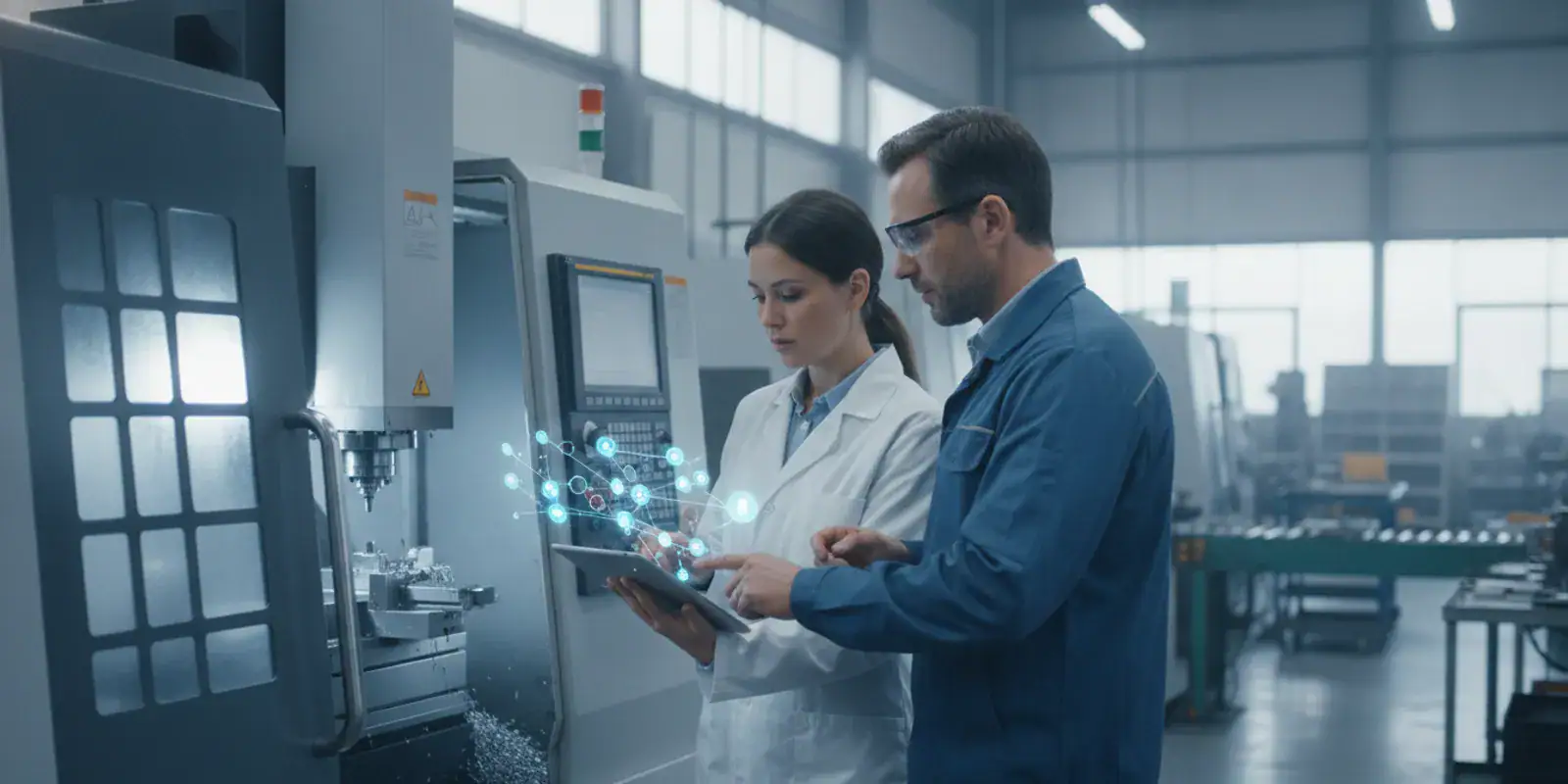
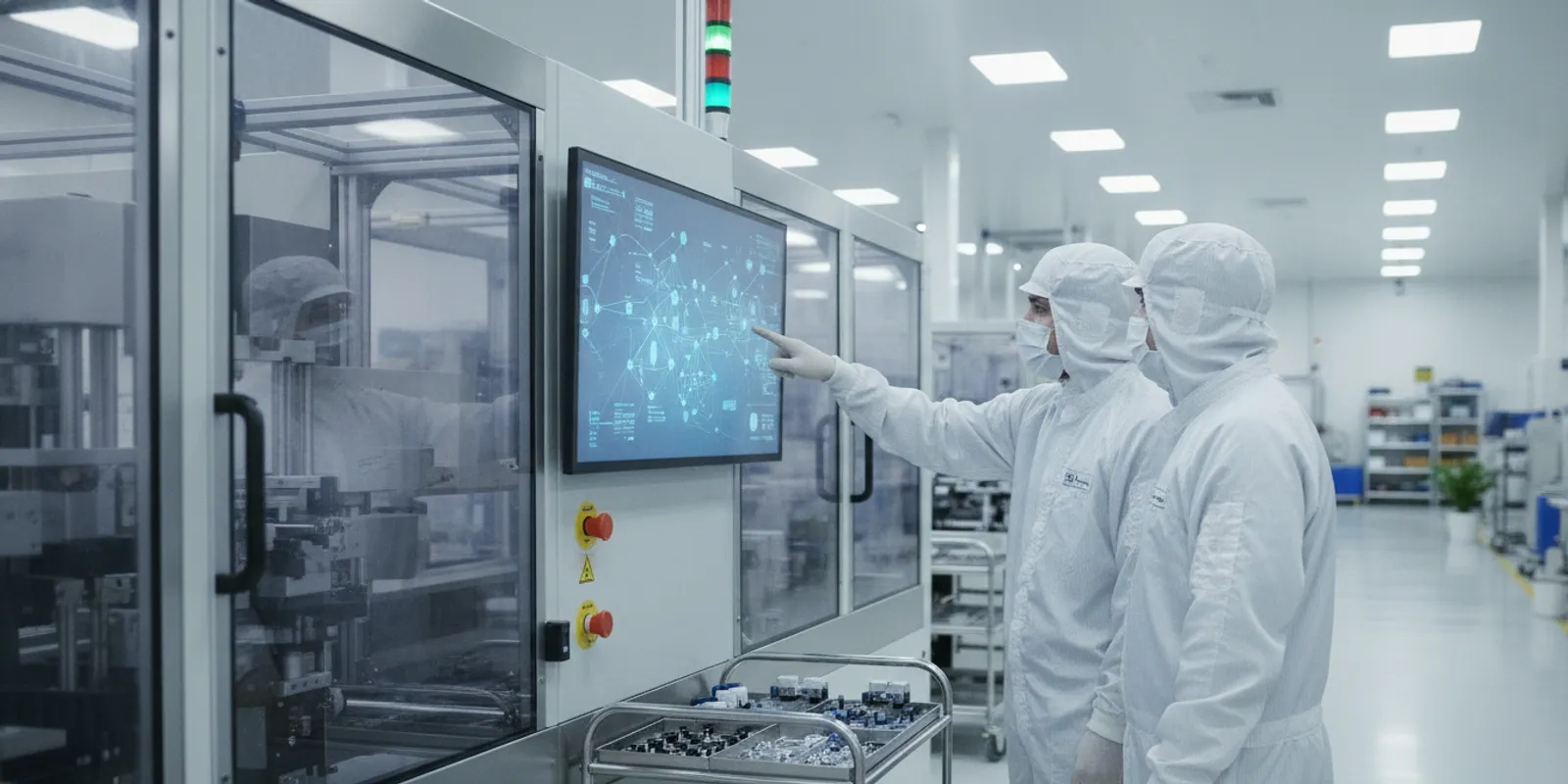
What if you could predict when a machine needs maintenance before it breaks down? Or instantly adjust your production schedule to accommodate a high-priority order without causing chaos? These outcomes aren’t just wishful thinking; they are the direct results of implementing modern manufacturing practices. By leveraging digital manufacturing technology, you can move from a reactive state of fighting fires to a proactive one where you are in full control. This shift is powered by real-time data from your shop floor, giving you the visibility to optimize schedules, reduce waste, and ensure you deliver quality products on time, every time. It’s about making your data work for you.
Key Takeaways
- Get a complete picture of your operations: By connecting your machines and systems, you gain real-time information that helps you move from fixing problems after they happen to preventing them in the first place.
- Use data to solve key challenges: Apply the insights from your digital tools to optimize production schedules, predict machine maintenance, and tighten quality control, which directly reduces costs and waste.
- Prepare your team for a successful transition: A smooth digital transformation involves more than just technology; it requires a clear plan for managing costs, training your staff, and communicating the benefits to get everyone on board.
What Is Digital Manufacturing Technology?
At its core, digital manufacturing is about using technology to connect every part of your production process, from the initial design to the final product delivery. It’s the practice of weaving a digital thread through your entire operation, linking machines, people, and systems so they can share information in real time. Instead of relying on paper trails, manual data entry, and siloed departments, digital manufacturing creates a single, cohesive ecosystem. This allows you to see exactly what’s happening on your shop floor at any given moment.
This shift isn’t just about adding a few new computers; it’s a fundamental change in how manufacturing works. By leveraging digital tools, you can move from reactive problem-solving to proactive optimization. Imagine being able to simulate a production run before it even starts, predict when a machine needs maintenance, or automatically adjust schedules based on new orders. That’s the power of digital manufacturing. It transforms raw data from your operations into clear, actionable insights, helping you make smarter, faster decisions that directly impact your bottom line. It’s the foundation of what many call Industry 4.0, where factories become smarter, more autonomous, and incredibly efficient.
Key Components of Digital Manufacturing
Digital manufacturing isn’t a single piece of technology but rather a collection of tools working together. Think of it as a toolkit for building a smarter factory. Key components include the Internet of Things (IoT), where sensors connect your machines to a network, allowing them to send and receive data. Artificial intelligence (AI) and machine learning act as the brains, analyzing that data to find patterns and make predictions.
Other essential pieces are robotics and automation for performing tasks with precision, and big data analytics for turning massive amounts of information into understandable reports. Cloud computing provides the flexible, scalable power needed to run these systems, while digital twins create virtual models of your processes for safe testing and optimization.
How It Transforms Traditional Processes
Digital manufacturing completely redefines traditional workflows. In the past, processes were often linear and disconnected. A design was created, passed along to production, and issues were only discovered once manufacturing was underway. This led to costly rework, delays, and waste. Digital tools break down those walls. By connecting the entire product lifecycle, from design and simulation to production and delivery, everyone works from the same up-to-date information.
This integration allows you to run virtual simulations to perfect a process before cutting any metal, saving immense time and resources. It makes your production scheduling dynamic, allowing you to adapt quickly to changing customer demands or unexpected machine downtime. Instead of guessing, you’re making decisions based on real data, which leads to greater efficiency, improved quality, and a much faster time-to-market.
What Technologies Drive Digital Manufacturing?
Digital manufacturing isn’t a single piece of technology but an ecosystem of interconnected tools that communicate and collaborate to streamline your operations. Think of it as a team of specialists, each with a unique skill, working together to make your shop floor smarter, faster, and more efficient. From sensors that give your machines a voice to software that predicts the future, these technologies are the engines of modern production. They work by gathering data from every corner of your facility, analyzing it for insights, and using those insights to automate processes and inform decisions.
This shift moves you away from relying on historical data and intuition alone. Instead, you get a clear, real-time picture of what’s happening right now and what’s likely to happen next. This integration of the physical and digital worlds allows for unprecedented levels of control and optimization. It means you can catch problems before they cause downtime, adjust production schedules on the fly to meet new demands, and ensure every product meets quality standards. Understanding how each component works is the first step toward building a more connected and resilient manufacturing environment. Let’s look at the key players driving this transformation.
Internet of Things (IoT) and Connected Devices
At its core, the Internet of Things (IoT) is about connection. In a manufacturing setting, this means equipping your machines, tools, and even materials with sensors that collect and transmit data in real time. This network of connected devices gives you a live, detailed view of your entire shop floor. You can track machine uptime, monitor cycle times, and identify bottlenecks as they happen. This constant flow of information is the foundation for smarter decision-making and is essential for effective machine monitoring. Instead of relying on manual data entry or guesswork, you get accurate, up-to-the-minute insights directly from the source, turning your equipment into active participants in your production process.
Artificial Intelligence and Machine Learning
If IoT devices are the senses of your factory, then Artificial Intelligence (AI) and Machine Learning (ML) are the brains. These technologies take the massive amounts of data collected from your connected machines and analyze it to find patterns, make predictions, and automate decisions. For example, AI can predict when a machine is likely to fail, allowing you to schedule maintenance before a costly breakdown occurs. It can also analyze production data to suggest improvements for your scheduling or identify subtle quality issues before they become major problems. By applying data analytics, you can move from a reactive to a proactive approach, solving problems before they even start.
Robotics and Automation
Robotics and automation are often the most visible signs of a digital factory. Robots excel at performing repetitive, physically demanding, or highly precise tasks, from welding and assembly to packaging and material handling. By automating these jobs, you can increase production speed, improve consistency, and reduce the risk of human error. This doesn’t mean replacing your workforce; it means freeing up your skilled team members to focus on more complex, value-added activities like problem-solving, quality control, and process improvement. Integrating automation is a key step in building a factory that aligns with Industry 4.0 principles, where humans and machines work together seamlessly.
Digital Twins and Simulation
Imagine having a perfect virtual replica of your entire production line that you can experiment with without any real-world consequences. That’s the power of a digital twin. This technology creates a dynamic, real-time virtual model of a physical asset, process, or system. You can use this simulation to test new production schedules, reconfigure your shop floor layout, or train operators on new equipment, all in a risk-free environment. By running “what-if” scenarios, you can optimize performance and identify potential issues before you make a single physical change, saving significant time and money while minimizing disruption to your actual operations.
Additive Manufacturing (3D Printing)
Additive manufacturing, commonly known as 3D printing, is changing how products are designed, prototyped, and produced. Instead of cutting material away (subtractive manufacturing), it builds objects layer by layer from a digital file. This approach is incredibly useful for creating complex, custom parts or rapidly producing prototypes without the need for expensive tooling. For many manufacturers, 3D printing offers a way to create jigs, fixtures, and replacement parts on-demand, reducing lead times and inventory costs. It provides the flexibility to innovate quickly and respond to custom orders with greater speed and efficiency, making it a valuable tool for modern production.
Why Adopt Digital Manufacturing?
Switching to digital manufacturing isn’t just about upgrading your technology; it’s about fundamentally improving how your business operates. By integrating digital tools into your processes, you can gain a serious competitive edge. The benefits go far beyond the shop floor, impacting everything from your bottom line to your ability to keep customers happy. Let’s look at some of the most compelling reasons to make the move.
Improve Efficiency and Reduce Costs
One of the most immediate benefits of digital manufacturing is a significant gain in operational efficiency. When you have a clear, data-driven view of your entire production process, you can spot bottlenecks, streamline workflows, and eliminate wasted time and materials. Using data analytics to optimize your processes means you can produce more with the same resources. This leads directly to lower operational costs and healthier profit margins. Instead of relying on old habits or guesswork, you can make informed decisions that trim expenses and make every minute on the shop floor count.
Gain Flexibility and Respond Faster
Market demands can change in an instant. A digital factory gives you the agility to pivot quickly, whether you need to adjust a product specification or respond to a sudden shift in customer orders. Manual scheduling and rigid processes can’t keep up. With a dynamic production scheduling system, you can easily reallocate resources and adjust timelines without causing chaos. This flexibility allows you to take on rush jobs, handle supply chain surprises, and consistently meet customer expectations, making your business more resilient and reliable.
Strengthen Quality Control and Cut Waste
Maintaining high product quality is non-negotiable, and digital tools are a game-changer for quality control. By collecting data directly from the shop floor, you can monitor production in real time and catch potential defects before they become major problems. This proactive approach significantly reduces scrap, rework, and material waste. Better yet, consistent quality builds a stronger reputation and increases customer loyalty. It’s a direct path to a more sustainable and profitable operation, where resources are used effectively and every product meets your highest standards.
Get Real-Time Visibility for Better Decisions
Guesswork has no place in a modern manufacturing environment. Digital manufacturing provides a single source of truth, giving you complete, real-time visibility into every corner of your operations. From machine status to job progress, you have the accurate information you need to make smart, strategic decisions on the fly. This clarity empowers your entire team, from operators to executives, to solve problems proactively and identify opportunities for improvement. When you can see exactly what’s happening, you can manage your business with confidence.
Predict and Prevent Downtime
Unplanned downtime is a massive drain on productivity and profits. Digital manufacturing helps you shift from a reactive to a predictive maintenance strategy. By using sensors and machine monitoring tools, you can track equipment performance and identify warning signs of potential failure. This allows you to schedule maintenance before a breakdown occurs, keeping your machines running smoothly and your production on schedule. Preventing even a single major outage can save you thousands in lost revenue and repair costs, making predictive maintenance one of the highest-return investments you can make.
Overcoming Digital Transformation Hurdles
Adopting digital manufacturing technology is a significant step, and like any major change, it comes with its own set of challenges. It’s not as simple as flipping a switch. Thinking through these potential roadblocks ahead of time can make the entire process smoother and more successful for your team. The goal is to move forward with confidence, knowing you have a plan to handle whatever comes your way.
The good news is that these hurdles are common, and there are clear strategies to overcome them. From managing costs and integrating new systems with old ones, to training your team and getting everyone on board, a thoughtful approach can turn these challenges into opportunities for growth. Let’s walk through the four most common obstacles and how you can handle them effectively.
High Initial Costs and Legacy System Integration
Let’s be honest: the upfront cost of new technology can feel daunting. Many manufacturers hesitate because of the initial investment required for software, hardware, and implementation. The key is to shift your perspective from viewing it as a cost to seeing it as an investment in your company’s future. The right digital tools are designed to deliver a strong return by reducing waste, minimizing downtime, and improving on-time delivery rates.
Another piece of the puzzle is integrating modern software with the legacy systems you already have on the shop floor. You don’t have to replace everything at once. The best solutions are designed to connect with your existing equipment and ERP systems, pulling valuable data without requiring a complete overhaul. This phased approach makes the transition more manageable and cost-effective, allowing you to see the benefits of new technology sooner.
Closing the Skills Gap Through Training
New tools often require new skills, and there can be a gap between the technology you’re implementing and your team’s current expertise. Bringing in powerful data analytics platforms is only half the battle; your team needs to feel confident using them to make informed decisions. The goal isn’t just to collect data, but to empower your people to understand what it’s telling them.
Closing this skills gap starts with choosing intuitive, user-friendly software that doesn’t require a degree in data science to operate. Look for a technology partner that provides comprehensive training and ongoing support. By investing in your team’s development, you ensure the technology is used to its full potential. This approach helps your employees grow professionally and turns them into active participants in your company’s digital evolution.
Addressing Cybersecurity and Data Protection
As you connect more devices and gather more data, cybersecurity naturally becomes a bigger concern. With every machine on your shop floor sending and receiving information, you create new entry points that need to be secured. Protecting your operational data, intellectual property, and customer information from threats is absolutely critical. Ignoring this can expose your business to significant risks, including production shutdowns and data breaches.
The first step is to make cybersecurity a core part of your digital strategy from day one. Partner with technology vendors who build security into their products and follow industry best practices. It’s also important to educate your team on security protocols. Following established cybersecurity frameworks can provide a clear roadmap for protecting your newly digitized operations and give you peace of mind as you move forward.
Managing Cultural Resistance to Change
Technology is only one part of the equation; people are the other. Resistance to change is a natural human reaction, especially on a busy shop floor where routines have been in place for years. Your team might worry that new technology will make their jobs more difficult or even obsolete. If this resistance isn’t addressed, it can slow down or even derail your digital transformation efforts.
The best way to manage this is with clear and consistent communication. Explain the “why” behind the changes, focusing on how new tools will help the team, not replace them. Show them how production scheduling software can reduce manual data entry and stressful last-minute changes. Start with a pilot project in one area of your facility to demonstrate the benefits on a small scale. When people see the positive impact firsthand, they are far more likely to get excited about the change.
Putting Your Data to Work in Manufacturing
Adopting digital manufacturing technology is about more than just collecting data; it’s about putting that data to use in meaningful ways. When your machines, systems, and people are connected, you gain a wealth of information that can transform every corner of your operation. Instead of relying on guesswork or outdated reports, you can make decisions based on what’s happening on your shop floor right now. This shift allows you to move from a reactive state, where you’re constantly fighting fires, to a proactive one, where you can anticipate challenges and seize opportunities.
The real power comes from integrating this data across your entire workflow. When your scheduling system talks to your machines and your quality control tools feed information back into the process, you create a smart, self-correcting ecosystem. This connected approach gives you the clarity to see how one change affects everything else, helping you find new efficiencies and drive sustainable growth. The following are practical ways you can use digital manufacturing data to get tangible results.
Optimize Production Scheduling
One of the most immediate impacts of digital manufacturing is on your production schedule. By pulling real-time data directly from your machines and systems, you can create dynamic schedules that reflect actual shop floor conditions. Forget static spreadsheets and manual updates. With a live flow of information, you can see which jobs are running on time, where bottlenecks are forming, and how to adjust priorities on the fly. This allows you to automate and optimize your production scheduling, ensuring you’re always making the best use of your resources, minimizing downtime, and hitting your delivery dates with confidence.
Monitor Machines and Predict Maintenance
Waiting for a machine to break down is one of the costliest things that can happen in a manufacturing plant. Digital technology helps you get ahead of this problem with predictive maintenance. By using sensors to collect performance data, you can apply AI and machine learning to detect subtle signs of wear and tear before they lead to a failure. This data-driven approach to machine monitoring lets you schedule maintenance when it’s most convenient, not when it’s an emergency. As a result, you can extend the life of your equipment, reduce unexpected downtime, and keep production running smoothly.
Prevent Defects with Tighter Quality Control
Digital tools give you the power to build quality into your process from the start. Instead of catching defects at the final inspection, you can monitor production parameters in real time to ensure every part meets specifications. If a machine setting drifts or a material property changes, the system can alert you immediately, allowing you to make corrections before scrap is produced. This proactive approach to quality control significantly reduces waste and rework. It’s a core principle of Industry 4.0, helping you operate more efficiently and sustainably while delivering a better product to your customers.
Fine-Tune Your Supply Chain
The visibility you gain on the shop floor extends beyond your four walls. When you have accurate, real-time production data, you can manage your entire supply chain with greater precision. You’ll know exactly what materials you need and when you need them, which helps reduce excess inventory and prevent stockouts. This clarity also makes your operations more resilient. By enabling more efficient and localized production, digital manufacturing can reduce your reliance on fragile global supply chains, giving you the flexibility to adapt to delays and disruptions without missing a beat.
Measure Performance for Continuous Improvement
You can’t improve what you don’t measure. Digital manufacturing provides the accurate, automated data collection needed to track your most important key performance indicators (KPIs). With clear insights into cycle times, OEE, and other critical metrics, you can identify areas for improvement and test new strategies with confidence. This continuous feedback loop is the engine of operational excellence. By leveraging powerful data analytics, you can make informed decisions that lead to better efficiency, higher quality, and a stronger competitive edge.
Related Articles
- 6 Top Digital Manufacturing Companies to Watch
- The Digital Manufacturing Software Market: A 2026 Guide
Frequently Asked Questions
Do I need to replace all my old equipment to get started with digital manufacturing? Not at all. That’s one of the biggest misconceptions. A great digital manufacturing strategy meets you where you are. Many modern systems, including software for machine monitoring and production scheduling, are designed to integrate with the legacy equipment you already own. You can start by connecting your existing machines to pull valuable data, giving you immediate insights without needing a massive capital investment in new hardware.
How can I get my team on board with these new technologies? The key is to focus on the “why” and show them how these tools make their jobs easier, not harder. Instead of just announcing a new system, involve your team in the process. Start with a small pilot project to demonstrate clear wins, like how new scheduling software eliminates manual data entry or reduces last-minute chaos. When people see the technology as a tool that helps them succeed, they are much more likely to embrace it.
What’s the first tangible benefit we’re likely to see? Most companies first notice a dramatic improvement in visibility. Suddenly, you have a clear, real-time picture of what’s actually happening on the shop floor, from job progress to machine status. This immediate clarity replaces guesswork and allows you to make smarter, faster decisions. This newfound visibility is the foundation for all other benefits, like improved efficiency, reduced downtime, and better on-time delivery rates.
We already collect some production data. How is this different? Many shops collect data, but it often lives in separate spreadsheets or systems where it can’t be easily used. Digital manufacturing is different because it connects all your data sources into a single, cohesive ecosystem. Instead of just having historical records, you get a live, interactive view of your entire operation. This allows your systems to communicate, turning raw data into actionable insights that can automate scheduling, predict maintenance, and streamline your entire workflow.
What’s the best first step to take if we’re interested? A great starting point is to identify your single biggest challenge. Are you struggling with production bottlenecks, unexpected downtime, or late deliveries? Pinpointing your main source of pain helps you focus your efforts on a solution that will deliver the most significant impact quickly. From there, you can explore specific tools, like production scheduling or machine monitoring software, that directly address that problem and provide a clear return on your investment.