
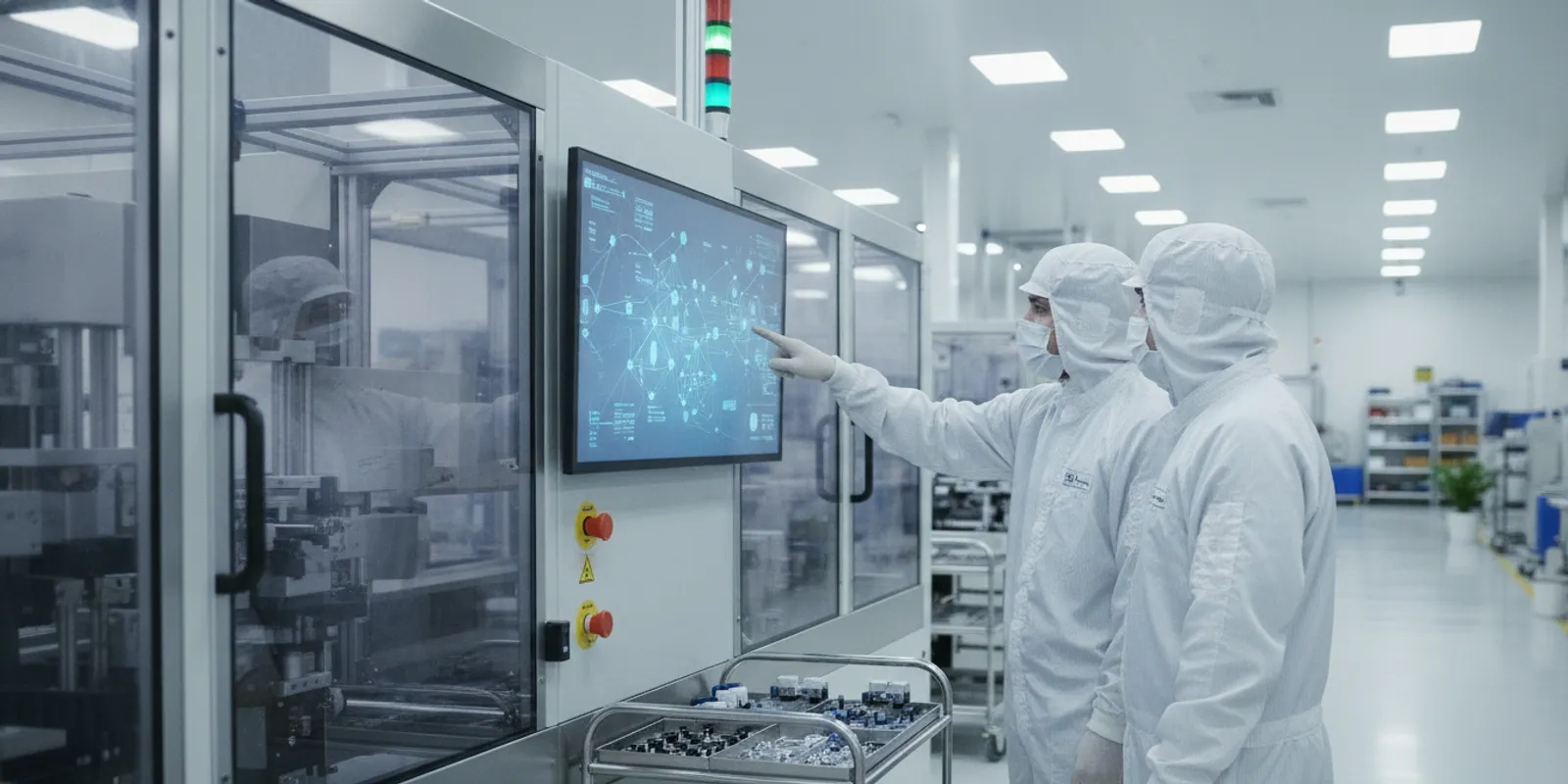
A one-size-fits-all solution simply doesn’t exist in manufacturing. The operational needs of a high-mix, low-volume job shop are completely different from those of a highly regulated aerospace facility. That’s why finding an MES that speaks the language of your industry is so important. A generic system can create more problems than it solves, forcing you to adapt your processes to fit the software. To make a smart choice, you need to compare MES software companies based on their industry expertise and their ability to handle your specific challenges, whether it’s dynamic scheduling, strict compliance, or complex quality management. This article breaks down the top options for different manufacturing sectors.
Key Takeaways
- Identify your core challenges first: Before you look at software, get clear on what problems you need to solve. A focused list of your biggest pain points, like scheduling conflicts or quality control issues, will serve as your guide for finding a system that delivers real results.
- Choose a partner, not just a product: The right vendor acts as an extension of your team, offering industry expertise and dedicated support. Look for a company that is invested in your success and can show you how they have helped businesses similar to yours achieve their goals.
- Plan for a smooth transition and long-term value: A successful MES adoption goes beyond the software’s price tag. Account for implementation, team training, and system integration to ensure a smooth rollout, and choose a flexible solution that can scale with your business as it grows.
What is MES Software and Why Do You Need It?
Think of a Manufacturing Execution System, or MES, as the central nervous system for your factory floor. It’s a type of software that manages, tracks, and controls your entire manufacturing process from start to finish, all in real time. An MES acts as a critical bridge between your high-level business planning systems, like an ERP, and the actual work happening on the ground. It connects your people, machines, and materials, ensuring that information flows seamlessly between the front office and the shop floor. By tracking everything from raw materials to finished products, it gives you a complete, transparent view of your operations.
So, why do you need one? If you’re still relying on spreadsheets and manual data entry to manage production, you’ve likely run into frustrating bottlenecks. These traditional methods often become cumbersome and error-prone as your business scales, leading to production delays, quality control issues, and a general lack of visibility. You can’t fix problems you can’t see, and without real-time data, you’re often left guessing. This is where an MES steps in to provide clarity and control.
Implementing an MES is about more than just replacing outdated systems. It’s about transforming your production processes to be more efficient and responsive. By streamlining operations and improving quality, an MES helps you deliver on time and on budget. The real value comes from its ability to turn raw operational data into actionable insights, leading to smarter production scheduling, reduced waste, and a significant return on your investment. It empowers your team to make informed decisions that drive the entire business forward.
10 Top MES Software Companies to Consider
Finding the right Manufacturing Execution System (MES) can feel like a huge task. The market is full of options, each with its own set of features and specializations. To make it easier, I’ve put together a list of ten top MES software companies that are making a real impact in the industry. This isn’t just a random list; it’s a curated look at providers who excel in different areas.
Whether you run a small job shop that needs flexibility, a multi-site enterprise requiring global oversight, or a high-tech facility with strict compliance demands, there’s a solution here for you. We’ll look at what makes each company stand out, who their software is best for, and the key features they bring to the table. Think of this as your starting point for finding a partner that can help you streamline operations, reduce waste, and deliver on time, every time.
1. JobPack
JobPack is specifically designed with the needs of job shops and custom manufacturers in mind. If you’re dealing with high-mix, low-volume production, this is a system built for your environment. It excels at dynamic production scheduling that can adapt to unexpected changes on the fly, helping you keep jobs on track. The platform also provides powerful, real-time machine monitoring and robust reporting tools. This gives you a clear, up-to-the-minute view of your shop floor, so you can make informed decisions to optimize your entire operation and improve on-time delivery.
2. Siemens
Siemens is a major player in the manufacturing world, and its Opcenter platform is a top choice for large and midsize companies. It offers an end-to-end solution that integrates seamlessly across your entire production process. What makes it stand out are its advanced capabilities, including AI-powered tools and a scalable cloud MES. For businesses looking to implement a comprehensive system that can grow with them and support complex manufacturing processes, Siemens provides a powerful and well-regarded solution that connects every part of the factory floor.
3. Rockwell Automation
Rockwell Automation offers two strong platforms: FactoryTalk and Plex. These systems are known for their excellent ERP-MES integration, which helps create a unified data environment across your business. They provide comprehensive, cloud-based smart manufacturing solutions with highly customizable data analytics. This makes them a great fit for a wide range of industries that need to turn raw production data into actionable insights. If you’re looking for a system that can bridge the gap between your shop floor and your front office, Rockwell Automation is a solid contender.
4. Dassault Systèmes
With its DELMIA Apriso solution, Dassault Systèmes is a leader for manufacturers who need to manage operations across multiple sites. It’s particularly strong in the automotive and aerospace industries, where coordinating complex supply chains and production schedules is critical. The software provides extensive operational oversight, allowing you to maintain consistency and quality control no matter where your facilities are located. For large, global companies that require a unified view of their entire manufacturing network, DELMIA Apriso offers the robust capabilities needed to stay in control.
5. Tulip
Tulip Interfaces brings a fresh, modern approach to MES with its no-code, app-based platform. This makes it an excellent choice for small to medium-sized operations that need a flexible and human-centric system. Because it’s a no-code solution, your own teams can build and adapt applications quickly without needing a team of developers. This agility allows you to respond to changing manufacturing needs almost instantly. If you’re looking for a system that empowers your frontline workers and can be deployed rapidly, Tulip is definitely one to watch.
6. Critical Manufacturing
Critical Manufacturing carves out its niche by focusing on high-tech industries like electronics, semiconductors, and medical devices. These sectors demand incredible precision, flexibility, and compliance, and this MES is built to handle those challenges. It offers modern IoT integration, allowing you to connect all your equipment and gather detailed data. The system is tailored to manage the complex workflows and strict regulatory requirements common in these advanced manufacturing environments, making it a go-to choice for companies on the cutting edge of technology.
7. iBASEt
For manufacturers in highly regulated industries, iBASEt’s Solumina platform is a leading option. It specializes in complex discrete manufacturing sectors such as aerospace, defense, and medical devices, where quality and compliance are non-negotiable. The software includes strong quality management features that are deeply integrated into the production process, ensuring that every step meets strict industry standards. If your business operates in a field where traceability and documentation are paramount, Solumina provides the rigorous control you need to succeed.
8. GE Vernova
GE Vernova’s Proficy platform is highly respected for its manufacturing operations management capabilities. It’s particularly effective in process industries and environments with complex assembly lines. The software is designed to give you deep insights into your operations, helping you improve efficiency and make smarter, data-driven decisions. For companies focused on optimizing production workflows and getting the most out of their assets, Proficy offers a suite of tools that can connect your people, processes, and equipment in a cohesive and intelligent system.
9. Wonderware
Now part of AVEVA, Wonderware is a well-known name in the MES space, focusing on real-time production control and quality management. The AVEVA MES is especially effective for process industries, including pharmaceuticals and food and beverage, where consistency and batch tracking are critical. It’s also well-suited for companies that operate multiple locations and need a standardized system to manage performance across all of them. If your priority is maintaining tight control over your production processes in real time, Wonderware offers a proven and reliable solution.
10. Apriso
DELMIA Apriso, also from Dassault Systèmes, is a comprehensive platform that goes beyond traditional MES. It integrates manufacturing operations with maintenance, repair, and warehouse management into a single, unified system. This holistic approach is especially beneficial for large companies with multiple factories, particularly in the automotive and aerospace sectors. By connecting disparate parts of the operation, Apriso provides a complete picture of your manufacturing ecosystem, helping you synchronize processes and improve efficiency on a global scale.
Key Features to Look for in MES Software
When you start comparing MES software, you’ll quickly realize they aren’t all built the same. The right system for your shop floor needs to do more than just track jobs; it should become a central part of your operations, providing clarity and control where you need it most. While the flashy features can be tempting, a solid MES platform is built on a foundation of core functionalities. Focusing on these key features will help you cut through the noise and find a solution that truly supports your team and your production goals. From real-time visibility to seamless integration with the tools you already use, these are the non-negotiables to look for.
Real-Time Production and Machine Monitoring
You can’t manage what you can’t see. The most fundamental feature of any effective MES is its ability to give you a live, accurate view of your entire shop floor. This means moving beyond manual data entry and guesswork. With real-time machine monitoring, you get a clear understanding of how every machine is performing at any given moment. This immediate feedback loop is what allows you to spot bottlenecks before they cause major delays, reduce machine downtime by addressing issues as they happen, and minimize waste from errors. It’s about having the information you need to make smart, proactive decisions that keep production moving smoothly and efficiently.
Quality Management and Compliance
Maintaining high quality standards isn’t just about inspecting the final product; it’s about building quality into every step of your process. A strong MES helps you do exactly that. It provides the framework to enforce standard operating procedures, track materials and components from start to finish, and maintain detailed production records. This level of traceability is essential for quality control and is often a requirement for compliance in industries like aerospace or medical manufacturing. By embedding quality checks and data collection directly into the workflow, your MES ensures that standards are met consistently, giving you a complete and auditable history for every part you produce.
Seamless ERP and System Integration
Your MES shouldn’t be an island. For it to be truly effective, it must communicate effortlessly with your other business systems, especially your Enterprise Resource Planning (ERP) system. This integration is what bridges the gap between your shop floor operations and your core business functions like accounting, inventory, and sales. When your MES and ERP are in sync, data flows automatically between them, creating a single, reliable source of information. This eliminates redundant data entry, reduces the risk of human error, and ensures that everyone from the machine operator to the CFO is working with the most up-to-date information. This connected ecosystem is the backbone of effective data analytics.
An Intuitive, Customizable Interface
The most powerful software in the world is useless if your team finds it too complicated to use. A user-friendly, intuitive interface is critical for successful adoption. Look for systems that present information clearly, often through visual dashboards and drag-and-drop scheduling boards, which make complex production plans easy to understand and manage. Beyond ease of use, the software should also be customizable. Every manufacturing business has unique processes and workflows. A flexible MES can be tailored to fit your specific needs, ensuring the system supports the way your team works, not the other way around. This adaptability is a key reason why JobPack is a fit for so many different shops.
Understanding MES Software Costs
Figuring out the cost of MES software isn’t as simple as looking at a price tag. The final investment depends on your shop’s size, the features you need, and the pricing model of the vendor you choose. A system for a small job shop will have a different cost structure than one for a multi-site aerospace manufacturer. To make a smart financial decision, you need to look beyond the initial quote and consider the full picture. This means thinking about how you’ll pay for the software, the costs to get it up and running, and the long-term expenses required to maintain it. Breaking down these components will help you compare vendors accurately and avoid any surprises down the road.
Subscription vs. One-Time Licensing
Most MES software is offered through one of two models: a subscription or a one-time license. A subscription, often called Software-as-a-Service (SaaS), involves a recurring monthly or annual fee. This model typically has a lower upfront cost and includes ongoing support and software updates, ensuring you always have the latest features.
A one-time perpetual license means you pay a large sum upfront to own the software indefinitely. While the initial investment is higher, your long-term costs might be lower. However, you’ll likely need to pay extra for annual maintenance, support, and major version upgrades. Your choice depends on your budget and how you prefer to manage cash flow.
Factoring in Implementation and Training
The software license is just the beginning. Implementation and training are critical expenses that you must account for. Implementation includes setting up the software, configuring it to your specific workflows, and integrating it with your existing systems, like your ERP. Many companies choose a phased approach, starting with one production line to work out any issues before rolling it out across the entire shop floor.
Training is just as important. Your team needs to know how to use the system effectively to get the full benefit of your investment. Factor in the cost of training sessions from the vendor and the time your employees will spend learning the new software. Proper shop floor data collection relies on a team that is confident with the tools they’re given.
Calculating the Total Cost of Ownership
To truly understand the financial impact of an MES, you need to calculate the Total Cost of Ownership (TCO). TCO includes every expense associated with the software over its entire lifecycle, not just the initial purchase price. This calculation should cover the software license or subscription fees, implementation and customization costs, training expenses, and any ongoing maintenance or support fees.
Don’t forget to include potential hardware upgrades and the internal resources you’ll dedicate to the project. By mapping out the TCO, you can create a realistic budget and compare different MES solutions on a level playing field. This comprehensive view helps ensure the system’s long-term value aligns with your financial goals and operational data analytics.
Finding the Best MES Software for Your Industry
The best MES software isn’t a one-size-fits-all solution. Every manufacturing sector has its own set of challenges, regulations, and operational demands. A system that works wonders for a high-volume automotive plant might not be the right fit for a custom job shop that handles unique orders every day. That’s why it’s so important to find a solution that speaks the language of your industry and understands its specific pressures.
When you’re evaluating options, think about what matters most to your specific operations. Are you dealing with strict regulatory compliance and traceability requirements? Or is your biggest challenge managing a high mix of custom jobs with tight deadlines? The right MES will have features and workflows designed to handle these unique pressures, not just generic manufacturing problems. It should feel like it was built with your shop in mind. Below, we’ll look at the specific needs of several key manufacturing sectors and what to look for in an MES partner. You can also see how different companies have found success by exploring various case studies and learning from their experiences. This will help you picture how a particular system could work in your own environment.
Job Shops and Custom Manufacturing
Job shops thrive on flexibility, but that same high-mix, low-volume environment can make scheduling a nightmare. You need a system that can keep up with constant changes without causing chaos on the shop floor. An MES designed for custom manufacturing should offer dynamic scheduling that can adjust on the fly as new orders come in or priorities shift. According to Software Finder, “JobPack offers dynamic production scheduling and real-time machine monitoring for job shops.” Its features are built to handle the unique needs of custom manufacturing, giving you the flexibility and efficiency required to stay competitive and deliver on time.
Aerospace and Defense
In the aerospace and defense industry, there is no room for error. Precision, quality, and compliance are paramount, and every step of the manufacturing process must be meticulously documented and traceable. An MES for this sector must support stringent quality control and provide clear visibility into production. As noted by SelectHub, visual scheduling solutions are “particularly crucial in the aerospace and defense sectors, where precision and compliance are paramount.” An MES like JobPack, which is well-suited for small to medium-sized businesses, provides the clear, visual tools needed to manage complex processes and meet the industry’s exacting standards.
Electronics and Semiconductors
The electronics industry moves at lightning speed. Product life cycles are short, supply chains are complex, and the demand for quality is incredibly high. To keep up, you need an MES that can handle rapid changes and provide deep insight into your operations. Look for a system with powerful features like advanced scheduling algorithms, robust reporting tools, and seamless integration with your existing ERP. These capabilities are what make an MES an excellent choice for the fast-paced electronics and semiconductor industries. Strong data analytics are essential for identifying bottlenecks and improving processes on the fly.
Automotive
Efficiency is the name of the game in the automotive industry. With just-in-time production schedules and lean manufacturing principles driving operations, every second counts. Your MES must provide accurate, real-time data to keep production lines moving smoothly and ensure every part meets strict quality standards. This is an industry where a vendor’s experience matters. Companies that have specialized in digital solutions for decades understand the importance of connecting the right data with the right people to make informed decisions. This expertise is vital for the automotive industry, where efficiency and quality control are critical for success.
Food and Beverage
For food and beverage manufacturers, traceability and compliance are top priorities. You need to be able to track every ingredient from receiving to shipping to meet strict FDA regulations and ensure consumer safety. An effective MES in this space provides fully traceable, real-time visibility on every machine in your shop. This level of shop floor data collection enables you to decrease machine downtime, reduce errors, minimize waste, and increase productivity. These features are essential for an industry where quality assurance and regulatory compliance are non-negotiable.
What Current Users Are Saying
Reading through marketing brochures and feature lists is one thing, but hearing from people who use the software every day gives you the real story. User reviews and testimonials cut through the noise and tell you what it’s actually like to partner with a software company. When you’re making a decision as important as choosing an MES, looking at feedback on customer support, implementation, and system performance can help you find the right fit for your shop floor.
Quality of Customer Support
When you’re in the middle of a critical production run, the last thing you want is to be stuck on hold with a support line. That’s why the quality of customer support is a recurring theme in user reviews. Look for feedback that mentions a responsive, helpful, and knowledgeable team. Users often praise vendors who provide a dedicated representative, someone who understands their specific setup and is genuinely willing to help solve problems. A strong support system is a sign of a true partnership, ensuring you have the backup you need to keep operations running smoothly.
The Implementation Experience
Getting new software up and running can feel like a monumental task, but a great vendor will guide you through every step. The implementation experience is a critical factor that often determines the long-term success of an MES system. Companies that are transparent about their process and offer hands-on support tend to receive the best feedback. Before committing, it’s a good idea to request a demo to get a clear picture of what the implementation journey looks like and what resources will be available to your team.
Integration Performance and Reliability
An MES shouldn’t operate in a silo. Its real power comes from its ability to connect with your other systems, especially your ERP. Users consistently highlight the importance of seamless integration. A well-integrated system provides a single source of truth, pulling data directly from your equipment for real-time visibility. This level of machine monitoring is what allows you to get a deep, accurate understanding of shop floor performance, helping you reduce downtime, minimize waste, and keep productivity high.
Common MES Implementation Challenges to Anticipate
Adopting a Manufacturing Execution System is a major step forward for any shop, but it’s not as simple as flipping a switch. Even the best software can stumble if you aren’t prepared for the implementation process. Knowing the common hurdles ahead of time allows you to create a strategy to clear them smoothly. Think of it as setting up your team and your new system for success from day one. Let’s walk through the four biggest challenges you’re likely to face and how you can get ahead of them.
System Integration and Compatibility
Your MES won’t operate in a vacuum. It needs to communicate seamlessly with your existing software, especially your Enterprise Resource Planning (ERP) system. This is where many companies hit their first snag. If your current systems are outdated or don’t have open APIs, connecting them to a new MES can be complex and time-consuming. Before you commit to a provider, map out your entire tech stack. You need to ensure your new MES can pull data from and push data to other critical platforms without causing bottlenecks. A system designed for smooth data analytics and integration is essential for creating a single source of truth across your operations.
User Training and Change Management
The most powerful software is useless if your team doesn’t know how, or doesn’t want, to use it. Resistance to change is natural, especially when people are comfortable with their current workflows. A successful implementation depends on effective change management. Start by involving your shop floor operators and managers in the selection process. When people feel they have a say, they are more likely to embrace the new tool. Plan for comprehensive, hands-on training, and consider a phased rollout, starting with one production line. This approach allows you to work out any kinks and build a group of internal champions who can help train others and demonstrate the benefits of the system.
Data Management and Accuracy
An MES runs on data. If the data going into the system is inaccurate or incomplete, the insights coming out will be unreliable. Implementing an MES often exposes pre-existing issues with data discipline. You might discover that job tracking is inconsistent or that inventory counts are off. To avoid this “garbage in, garbage out” scenario, you need to establish clear processes for shop floor data collection from the very beginning. Automating data capture directly from machines is one of the best ways to ensure accuracy and timeliness, reducing the chance of human error and giving you a true real-time view of your production floor.
Customization and Future Scalability
Your manufacturing needs are unique, and your MES should reflect that. A one-size-fits-all solution rarely works. The challenge is finding a system that is flexible enough to be tailored to your specific workflows without requiring a team of developers for every minor change. At the same time, you need to think about the future. Will this software grow with you? As you add new machines, processes, or even facilities, your MES must be able to scale. Look for a partner that offers an adaptable system for production scheduling and other core functions, ensuring it can meet both your current requirements and your long-term business goals.
How to Evaluate MES Software Companies
Choosing an MES provider is a major decision that goes far beyond comparing feature lists. You’re not just buying software; you’re selecting a long-term partner who will be integral to your shop’s success. The right partner understands your challenges and provides a solution that grows with you. To find that fit, you need a clear evaluation process that looks at your own needs, the vendor’s support system, and the software’s long-term adaptability. This approach ensures you invest in a system that delivers value for years to come.
Assess Your Business Needs and Scalability
Before you even look at a demo, the first step is to look inward. When evaluating MES solutions, it’s best to begin by identifying your specific operational needs. What are the biggest bottlenecks on your shop floor right now? Are you struggling with on-time delivery, machine downtime, or accurate job costing? Make a list of your must-have features versus your nice-to-haves. This clarity will help you compare vendors and ensure their strengths align with your business goals. Think about the future, too. Your chosen system should be able to scale with your operations, whether you’re adding new machines, expanding your facility, or diversifying your product lines.
Review Vendor Support and Documentation
The quality of a vendor’s customer support can make or break your implementation experience. A powerful piece of software is only useful if your team knows how to use it and can get help when needed. It’s crucial to find an MES vendor that provides robust support and comprehensive documentation. Ask potential partners about their onboarding process, training options, and typical support response times. Do they offer direct access to experts? Reading through customer case studies and reviews can also give you a real-world picture of what it’s like to work with their team long after the initial sale is complete.
Prioritize an Adaptable, Future-Proof System
The ideal MES system isn’t defined solely by its current feature set; it should be adaptable enough to meet the evolving needs of your factory. Manufacturing is never static, and your software shouldn’t be either. A system that can easily accommodate new products, workflows, or processes will provide lasting value. Look for a solution built for flexibility, one that can integrate with other tools and keep up with technological advancements. This forward-thinking approach ensures your investment supports your shop’s efficiency and growth, aligning with modern principles like Industry 4.0 and keeping you competitive.
How to Choose the Right MES Partner for Your Business
Choosing an MES provider is a significant decision that will impact your operations for years to come. It’s less about buying a piece of software and more about finding a long-term partner who understands your goals and can help you achieve them. The right system, backed by the right team, can completely reshape how your factory runs, turning daily chaos into streamlined efficiency. But with so many vendors claiming their product is the perfect fit, how do you cut through the noise and find the one that’s right for you?
It starts with looking inward at your own processes and then outward with a critical eye. A great MES partner doesn’t just sell you a tool; they provide a solution tailored to your specific operational headaches. They should be able to demonstrate a clear path from implementation to tangible results, like reduced downtime and on-time deliveries. This isn’t just about technology; it’s about finding a team that will stand by you through implementation, training, and beyond. By focusing on your specific needs, the vendor’s expertise, and the system’s long-term potential, you can find a partner that will truly support your growth and help you build a more resilient, efficient, and profitable manufacturing business.
Define Your Core Challenges and Goals
Before you even look at a demo, get clear on what problems you’re trying to solve. Are late deliveries hurting your reputation? Is scrap piling up due to quality control issues? Do you lack real-time visibility into what’s happening on the shop floor? Make a list of your top three to five pain points. This list becomes your scorecard for evaluating potential partners. A vendor should be able to show you exactly how their system addresses these specific challenges. For example, if your main issue is keeping jobs on track, you’ll want to see a robust production scheduling module in action.
Look for a Partner, Not Just a Product
Many MES companies will promise a one-size-fits-all solution, but manufacturing is too complex for that. You need a partner who speaks your language and is invested in your success. Look for a team with deep industry experience and a track record of helping businesses like yours. Ask for case studies and testimonials from companies in your sector. During a demo, pay attention to the questions they ask. Are they trying to understand your unique workflow, or are they just running through a generic script? A true partner will work with you to configure a system that fits your factory, not the other way around.
Prioritize Integration and Future Growth
Your MES won’t operate in a vacuum. It needs to communicate seamlessly with your existing systems, especially your ERP. A clunky integration can create more problems than it solves, so ask detailed questions about how the system connects with other software. At the same time, think about the future. Will this MES scale with you as you add more machines, people, or product lines? A flexible, adaptable system supported by powerful data analytics will provide value not just today, but for years to come, ensuring your investment continues to pay off as your business evolves.
Related Articles
- What is MES System Software? A 2026 Guide
- MES System for Manufacturing: The Ultimate Guide
- What is a Manufacturing Execution System (MES)?
- Gartner Magic Quadrant for MES: A Complete Guide
- No ERP Required: 3 Benefits of a Standalone MES for Job Shops
Frequently Asked Questions
What’s the difference between an MES and an ERP system? Think of it this way: your ERP (Enterprise Resource Planning) system is like the brain of your business, handling high-level functions like finance, sales, and inventory. An MES (Manufacturing Execution System), on the other hand, is the nervous system of your shop floor. It focuses on the “how” of production, managing the real-time execution of work orders, tracking machine performance, and controlling quality on the ground. While an ERP plans what needs to be made, an MES ensures it gets made correctly and efficiently, feeding live production data back to the ERP.
Is MES software only for large factories? Not at all. While large enterprises certainly use MES, modern systems are incredibly valuable for small to medium-sized businesses, especially custom job shops. The right MES provides the flexibility and real-time visibility needed to manage high-mix, low-volume work without the chaos of spreadsheets. It helps smaller shops compete by improving on-time delivery, reducing waste, and providing the data needed to make smarter decisions, leveling the playing field.
How do I get my team on board with a new MES? The key is to involve them from the start. Resistance to change often comes from feeling like a new system is being forced upon people. Bring your key shop floor operators and managers into the evaluation process. Ask for their input on what works and what doesn’t in their current workflow. When they have a voice in choosing the tool, they become advocates for it. A successful rollout depends less on the technology and more on showing your team how it makes their jobs easier and more effective.
How long does a typical MES implementation take? The timeline can vary quite a bit depending on the size of your operation and the complexity of the system you choose. A simple, out-of-the-box solution for a small shop might be up and running in a few weeks. A more complex, multi-site implementation with deep ERP integration could take several months. Many companies find success with a phased approach, starting with one or two critical machines or a single production line. This allows you to learn the system and see results quickly before rolling it out to the entire floor.
What’s the first step I should take to find the right MES? Before you even schedule a demo, take a close look at your own operations. Grab a notepad and walk the shop floor. Identify your top three to five biggest challenges. Are you struggling with production bottlenecks, inaccurate job costing, or excessive machine downtime? Once you have a clear, prioritized list of problems you need to solve, you’ll be in a much better position to evaluate vendors and find a partner whose solution directly addresses your most pressing needs.