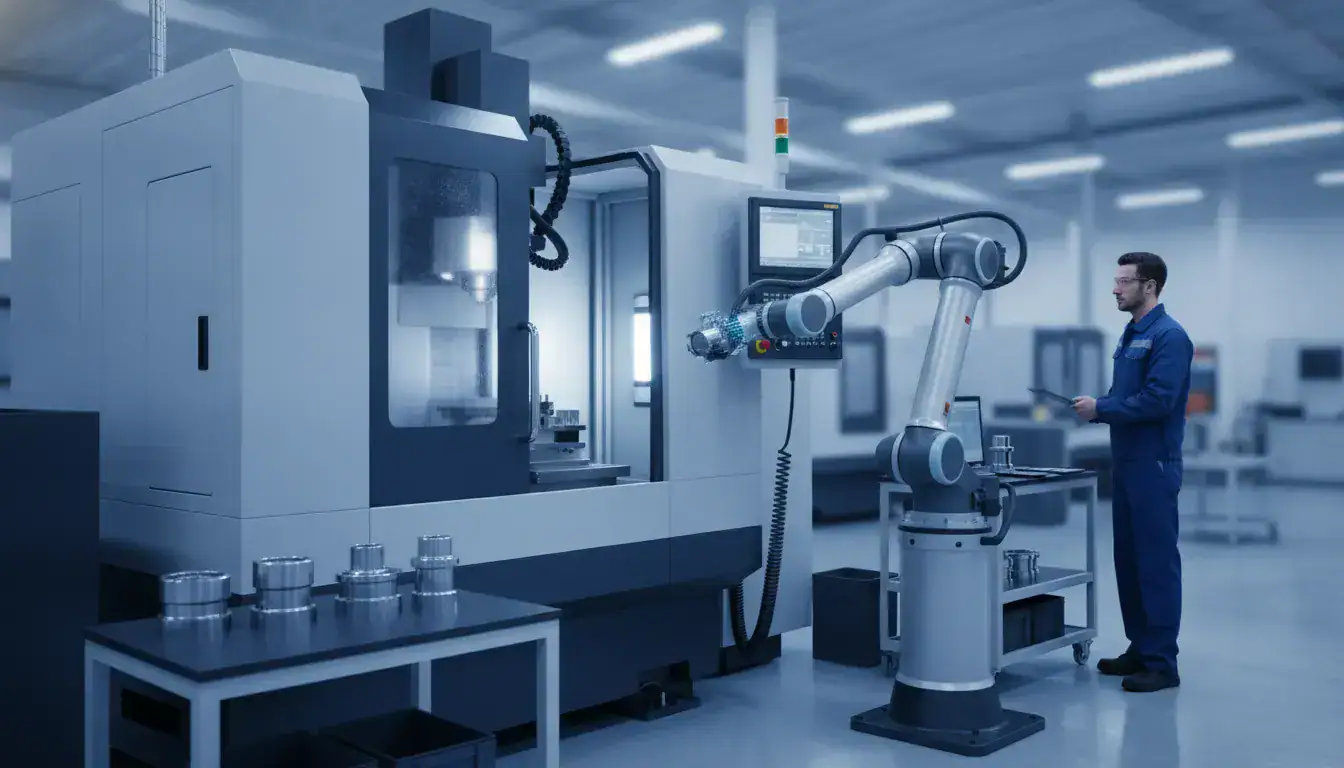
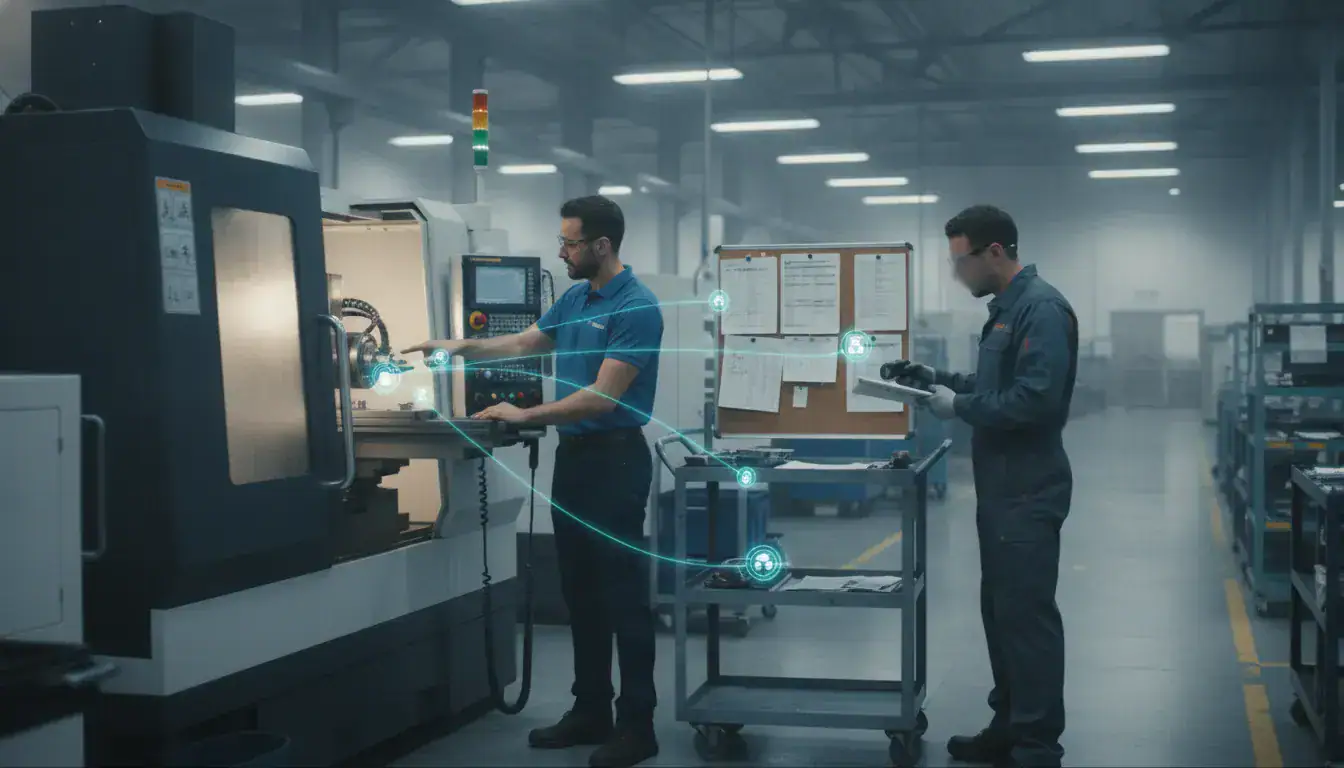
Thinking about Industry 4.0 can feel like planning to build a skyscraper when you’ve only got a hammer. It seems massive, expensive, and completely out of reach for a busy shop. The good news is that a successful industry 4.0 implementation isn’t about replacing everything you own overnight. It’s about making smart, strategic upgrades that connect your people, machines, and processes in a more intelligent way. This guide is designed to give you a practical starting point. We’ll break the process down into clear, manageable steps, showing you how to assess your current setup, set realistic goals, and build a roadmap that makes sense for your budget and your team.
Key Takeaways
- View Industry 4.0 as a strategic business decision, not just a technology purchase: The goal is to connect your physical shop floor with digital intelligence, using real-time data from tools like IoT and AI to make faster, more informed choices.
- Implement Industry 4.0 in manageable phases: Start by assessing your current systems and setting clear goals, then use pilot projects to test new solutions, prove their value, and build momentum for wider adoption.
- Put your people at the center of your digital transformation: True success requires strong leadership, clear communication about the benefits of new tools, and dedicated training to help your team adapt and feel confident.
What is Industry 4.0 and Why Does It Matter?
You’ve probably heard the term “Industry 4.0” a lot lately. It might sound like just another buzzword, but it represents a fundamental shift in how manufacturing gets done. Understanding what it is and why it’s so important is the first step toward bringing its benefits to your own shop floor. It’s not about replacing your entire operation overnight. Instead, it’s about making strategic, technology-driven improvements that connect your people, machines, and processes in a smarter way. This shift helps you move from being reactive to proactive, using real-time information to guide your decisions and stay ahead of the competition.
Define the Fourth Industrial Revolution
At its core, Industry 4.0 is the Fourth Industrial Revolution, and it’s all about creating a “smart factory.” This means using modern technologies like the Internet of Things (IoT), Artificial Intelligence (AI), and big data to bridge the gap between the physical and digital worlds. Think of it as giving your machines a voice and your processes a brain. When your equipment can communicate its status and performance, you can automate tasks and make better-informed decisions on the fly. This digital transformation makes your entire operation more productive, flexible, and quick to respond to changes in demand or production, ultimately helping you improve and deliver your products more effectively.
Compare to Previous Industrial Revolutions
To appreciate what makes Industry 4.0 so different, it helps to look at the revolutions that came before it. The first, back in the late 1700s, was powered by steam and water. The second introduced electricity and the assembly line, making mass production a reality. The third brought computers and early automation into the factory. Each was a massive leap forward. What sets the Fourth Industrial Revolution apart is its focus on connection and intelligence. It’s not just about having computers; it’s about creating smart, interconnected systems where everything works together. This allows you to use data analytics to fine-tune efficiency, predict maintenance needs, and even customize products for individual customers in a way that was never possible before.
What Drives Industry 4.0?
Industry 4.0 isn’t powered by a single piece of technology. Instead, it’s a fusion of several advanced digital tools working together to create a smarter, more connected manufacturing environment. Think of it as the digital transformation of your factory, where physical production processes are deeply intertwined with intelligent computing. This shift, often called “smart manufacturing,” helps you make faster decisions, become more flexible, and improve how you make and deliver your products.
The core drivers of this revolution are technologies that connect your equipment, analyze your data, and automate your processes. By integrating the Internet of Things (IoT), artificial intelligence (AI), cloud computing, and real-time communication tools, you can build a factory that not only tells you what’s happening right now but also helps you predict what will happen next. These technologies are the building blocks for creating a more efficient, productive, and resilient manufacturing operation.
Connect with IoT and Smart Devices
At the heart of Industry 4.0 is the concept of connection. The Internet of Things (IoT) is what makes this possible, creating a network of machines, sensors, and devices on your shop floor that can communicate with each other and with your central systems. These smart devices collect vast amounts of data directly from the source, giving you a live, unfiltered view of your operations. This real-time information is the foundation for everything else. With accurate machine monitoring, you can track production status, identify bottlenecks as they happen, and respond to issues instantly instead of waiting for end-of-shift reports. This connectivity turns your factory into a responsive, data-rich environment.
Apply Artificial Intelligence and Machine Learning
Once you have all that data from your connected devices, you need a way to make sense of it. That’s where Artificial Intelligence (AI) and Machine Learning (ML) come in. These technologies act as the brain of your smart factory, analyzing patterns in your data to make predictions and automate complex tasks. For example, AI can analyze performance data to predict when a machine will need maintenance, helping you prevent costly downtime. It can also identify subtle variations in production that might signal a quality issue. By applying AI, you move from simply collecting data to using it for intelligent, proactive data analytics that guide your decisions.
Use Big Data Analytics and Cloud Computing
The sheer volume of data generated by a smart factory is massive, and you need a robust system to handle it. Cloud computing provides the scalable infrastructure needed to store, process, and analyze this “big data” efficiently. More importantly, the cloud breaks down information silos between departments. It creates a single source of truth, connecting engineering, the supply chain, production, and sales so everyone is working from the same playbook. This holistic view allows for better coordination and more strategic decision-making across your entire business, making your Industry 4.0 strategy more effective.
Enable Digital Work Queues and Real-Time Communication
Technology is only effective if it empowers your team. Digital work queues and real-time communication tools bring the power of Industry 4.0 directly to your operators and managers. Instead of relying on paper travelers and verbal updates, digital systems provide clear, instant instructions and feedback. JobPack’s digital work queues, for example, streamline the flow of information between managers and the shop floor, ensuring smooth transitions between jobs. This direct line of communication reduces errors, minimizes idle time, and creates a complete digital record of every work order, improving both accountability and efficiency through better shop floor data collection.
How Do You Implement Industry 4.0?
Bringing Industry 4.0 into your manufacturing operations might sound like a massive undertaking, but it doesn’t have to be. You can think of it less as a complete overhaul and more as a series of smart, strategic upgrades. The key is to approach it with a clear plan that breaks the process down into manageable steps. By starting with a solid foundation, setting achievable goals, and testing your approach, you can build momentum and demonstrate value every step of the way. This isn’t about flipping a switch overnight; it’s about a thoughtful evolution that respects your budget, your team, and your existing processes.
A successful implementation starts with understanding where you are right now and where you want to go. From there, you can create a practical roadmap that guides your decisions, from choosing the right technology to getting your team on board. We’ll walk through four foundational steps to get you started: assessing your current setup, defining what success looks like, building a timeline, and rolling out changes incrementally. This methodical approach helps minimize disruption, manage costs effectively, and ensures each investment moves you closer to a smarter, more connected shop floor where data drives decisions.
Assess Your Manufacturing Infrastructure
Before you can plan your future, you need a clear picture of your present. Take a detailed look at your current technology. What hardware and software are you running on the shop floor? How old are your machines, and can they communicate with modern systems? Understanding your existing infrastructure helps you identify both opportunities and potential roadblocks. You might discover that some of your equipment is already capable of providing valuable data with a few simple upgrades. This initial assessment is crucial for making informed decisions about where to invest and how to integrate new tools with what you already have, ensuring a smoother transition. A great first step is often implementing a shop floor data collection system to see what information your current assets can provide.
Set Clear Goals and Metrics
What do you actually want to achieve with Industry 4.0? Without clear goals, your implementation can lose direction. Use the S.M.A.R.T. framework to set targets that are Specific, Measurable, Achievable, Relevant, and Time-Bound. For example, instead of a vague goal like “improve efficiency,” aim for something specific like “reduce machine downtime by 15% in the next six months.” For each goal, define the Key Performance Indicators (KPIs) you’ll use to track progress. These metrics will not only keep your team focused but also help you demonstrate the return on your investment. Powerful data analytics tools are essential for monitoring these KPIs and turning raw numbers into actionable insights.
Build a Strategic Roadmap and Timeline
Once you know your starting point and your destination, it’s time to map out the journey. A strategic roadmap breaks your Industry 4.0 implementation into logical phases. Instead of trying to do everything at once, you can build on your successes one step at a time. Start with projects that offer the biggest impact with the least disruption, like implementing a dynamic production scheduling system to get immediate visibility into your workflow. Assign realistic start and end dates for each phase of your plan. This timeline creates accountability and helps manage expectations across the company, ensuring everyone understands the plan and their role in it.
Pilot and Roll Out Incremental Changes
The “all-or-nothing” approach is risky. A much safer and more effective strategy is to start small. Choose a single production line or a specific area of your facility to run a pilot project. This allows you to test new digital solutions in a controlled environment to see if they deliver the results you expect. For instance, you could pilot a machine monitoring system on a few key assets to prove its value. A successful pilot serves as a powerful case study, making it easier to get buy-in from your team and leadership for a wider rollout. Once you’ve worked out the kinks and demonstrated success, you can confidently expand the solution across other departments and, eventually, the entire company.
How Do You Tackle Implementation Challenges?
Adopting Industry 4.0 technologies is a game-changer, but it’s not always a walk in the park. Like any major upgrade, it comes with its own set of hurdles. The good news is that these challenges are well-known and completely manageable with a bit of foresight and a solid plan. By anticipating these roadblocks, you can create a smoother path for your team and ensure your transition is a success from the start.
Address Employee Resistance and Skills Gaps
New technology can feel intimidating, and it’s natural for your team to have questions or concerns. Will their jobs change? Will they be able to keep up? The key is to address this head-on with open communication and support. Explain the “why” behind the changes, focusing on how new tools will make their jobs easier and the company stronger. You can foster a supportive environment by involving employees in the selection and rollout process. Invest in training to build confidence and close any skills gaps, turning potential resistance into enthusiastic adoption. When your team feels prepared and valued, they become your biggest champions for change.
Integrate Legacy Systems
You’ve likely invested years and significant capital into your current equipment. The idea of replacing it all at once is daunting, and thankfully, unnecessary. A successful Industry 4.0 strategy doesn’t require starting from a blank slate. Instead, focus on smart integration. Look for solutions that can bridge the gap between your existing machinery and new digital systems. For example, effective shop floor data collection tools can connect to your legacy equipment, pulling valuable real-time data without a complete overhaul. This phased approach allows you to modernize your operations, protect your initial investments, and manage costs effectively.
Secure Leadership Support and Budget
A digital transformation is a team sport, and it needs a strong captain. Without clear support from leadership, even the best-laid plans can stall. Securing this buy-in goes beyond just getting a budget approved; it requires building a compelling business case that clearly outlines the return on investment. Use data to show how new technology will reduce waste, improve on-time delivery, and increase profitability. Showcasing real-world case studies can help illustrate the potential impact. When leaders actively champion the vision and understand the strategic value, they provide the momentum needed to drive the project forward and inspire the entire organization.
Protect Against Cybersecurity Risks
As you connect more devices and systems to your network, you also create more potential entry points for digital threats. That’s why cybersecurity can’t be an afterthought; it needs to be a core part of your implementation plan from day one. Work closely with your IT department or a trusted partner to build a robust security framework. This includes everything from firewalls and data encryption to secure access protocols for all connected devices. Because cybersecurity threats are a significant challenge, ongoing employee training on security best practices is also essential to protect your valuable data and keep your newly digitized operations running safely and smoothly.
How Does Leadership Drive Digital Transformation?
Technology is a powerful tool, but it can’t implement itself. Successful Industry 4.0 adoption hinges on strong leadership. As a leader, your role is to steer the ship through this transition, not just by approving budgets but by actively championing the change. It’s about creating an environment where new ideas can flourish and your team feels supported, not replaced, by new technology.
This means moving beyond top-down commands and fostering a culture of collaboration and forward-thinking. When you guide your team with a clear purpose, you transform a potentially disruptive process into a shared goal. Your commitment sets the tone for the entire organization, turning resistance into engagement and uncertainty into excitement. The right leadership approach is the difference between simply buying new software and truly transforming your operations.
Show Key Leadership Qualities
Leading a digital transformation requires more than just project management skills. It calls for leaders who are inspiring, intellectually curious, and genuinely considerate of their team’s perspective. Your team will look to you for cues on how to react to these changes. By demonstrating enthusiasm and a willingness to learn, you encourage them to do the same.
Great leaders in this space provide a vision that motivates everyone to get involved. They don’t just present a plan; they explain the “why” behind it, connecting new processes to a more efficient and successful future. This approach helps team members feel like active participants in the company’s evolution, rather than just cogs in a new machine.
Build Cross-Functional Teams
Industry 4.0 doesn’t happen in a silo. Its success depends on seamless integration across your entire operation, from the shop floor to the front office. As a leader, one of your most important jobs is to break down departmental barriers and foster collaboration. This means creating cross-functional teams with members from operations, IT, engineering, and even finance to guide the implementation process.
When you bring diverse perspectives together, you get a more complete picture of the challenges and opportunities. For example, your IT team can address system compatibility while your machine operators provide crucial feedback on how new shop floor data collection tools will work in practice. Your role is to facilitate these conversations, ensuring every team is aligned and working toward the same goals.
Create a Vision for Change
A clear and compelling vision is the foundation of any successful transformation. It’s your job to articulate what the future of your company looks like with Industry 4.0 and why it’s a future worth working toward. This vision needs to be more than just a list of new technologies; it should be a story about what you will achieve together.
Frame the change in terms of tangible benefits. Will you reduce waste and improve on-time delivery? Will real-time data analytics help your team make smarter, faster decisions? By painting a vivid picture of the destination, you inspire your team to embrace the journey. This shared vision becomes a guiding star, keeping everyone focused and motivated as you introduce new processes and tools.
How Do You Build Your Industry 4.0 Tech Stack?
Building your Industry 4.0 tech stack isn’t about collecting the flashiest new software. It’s about strategically choosing tools that talk to each other, creating a connected ecosystem that turns shop floor data into smart business decisions. Think of it as building a central nervous system for your factory. The right stack connects every machine, process, and person, giving you a complete picture of your operations. Here are the core components you’ll need to put in place.
Use Production Scheduling and Shop Floor Management
Effective production scheduling is the foundation of an efficient factory. It’s the plan that directs every action on the shop floor. With Industry 4.0, you can move beyond static spreadsheets and paper schedules. Digital work queues improve communication between managers and machine operators, ensuring everyone is on the same page. This creates seamless transitions between jobs and provides a complete, accurate record of all work orders. Without this foundational data, many manufacturers are running blind, making key decisions with incomplete information. A smart scheduling system acts as your operational command center, bringing clarity and control to your production flow.
Monitor Machines and Collect Data in Real Time
A key part of Industry 4.0 is the Industrial Internet of Things (IIoT), which simply means connecting your machines to a network. Think of sensors that monitor a machine’s status, track its output, and transmit that production data for analysis in real time. This is where machine monitoring comes in. Instead of waiting until the end of a shift to find out about downtime or performance issues, you get live updates directly from the source. This constant stream of information allows you to spot problems as they happen, identify bottlenecks, and accurately track job progress without manual data entry.
Integrate Analytics and ERP Systems
Collecting data is just the first step. The real power comes from turning that data into insight. This is where data analytics tools are essential. They process the information from your machines and scheduling systems to reveal trends, measure performance, and highlight opportunities for improvement. To get a full picture, this operational data should feed directly into your Enterprise Resource Planning (ERP) system. Integrating these systems helps you connect shop floor performance with business goals, giving you the information you need to make smarter, data-driven decisions across your entire organization.
What Benefits Can You Expect from Industry 4.0?
Adopting Industry 4.0 is more than a tech upgrade; it’s a strategic move that delivers real, measurable results. When you connect your machines and processes, you gain a level of insight that was previously out of reach. This clarity translates directly into a stronger bottom line, happier customers, and a more resilient operation. Here are the key advantages you can expect.
Improve Efficiency and Cut Waste
A connected shop floor shows you exactly where slowdowns happen. These data insights help you pinpoint bottlenecks, reduce scrap and rework, and cut down on expensive overtime. It’s about working smarter, not just harder. By optimizing your processes with real information, you can produce more with the resources you already have. This practical efficiency means knowing which machine is underperforming before it causes a major delay or which job is falling behind schedule. You can intervene immediately, saving valuable time and materials that would otherwise be wasted.
Strengthen Quality Control and Predictive Maintenance
Industry 4.0 helps you shift from a reactive to a proactive mindset. With real-time machine monitoring, you can track equipment health, catching small issues before they become costly downtime or quality defects. This predictive approach extends machinery life and ensures consistent product quality. The long-term savings from preventing major failures and reducing defects have a significant positive impact on your bottom line. It’s about building reliability into every part you produce, which strengthens your reputation and reduces the cost of poor quality.
Deliver On Time and Increase Customer Satisfaction
Your customers want their orders on time and as promised. Industry 4.0 gives you the tools to make that happen consistently. By streamlining operations with better production scheduling and real-time visibility, you can provide accurate lead times and stick to them. When your shop floor runs smoothly, you avoid unexpected delays that can damage customer relationships. This reliability becomes a powerful competitive advantage, building a reputation as a partner clients can count on. It transforms your delivery performance from a source of stress to a point of pride.
Make Data-Driven, Proactive Decisions
Gut feelings have their place, but the best decisions are backed by data. Industry 4.0 puts real-time information at your fingertips, empowering your team to make smarter choices. Instead of guessing, managers can adjust schedules and allocate resources based on what’s actually happening on the floor. This ability to make informed decision-making a core part of your operations makes you more agile. You can proactively solve problems, adapt to changing customer demands, and steer your business with confidence, knowing every move is supported by facts.
How Do You Foster Innovation and Manage Change?
New technology is more than a technical challenge; it’s a human one. Your team is the engine that will drive your digital transformation, but only if they feel supported and prepared. Fostering a culture that embraces innovation isn’t about forcing change. It’s about creating an environment where your team can adapt, learn, and grow with the technology. This involves thoughtful training, clear communication, and the freedom to experiment.
Train and Develop Employees
Your team can’t use tools they don’t understand. A successful transition to Industry 4.0 depends on making sure your employees are ready and trained. Start by identifying any skills gaps and create a development plan to address them. This could include formal training sessions, peer-to-peer mentoring, or access to online courses. When you invest in your team’s skills, you’re not just preparing them for new software; you’re showing them they are a valuable part of the company’s future. This builds confidence and competence, turning potential resistance into active participation.
Communicate for Digital Adoption
Resistance to change often comes from a place of uncertainty. To get your team on board, you need to understand their concerns and communicate your vision clearly. Explain the “why” behind the new technology, focusing on how it will make their jobs easier and the company stronger. Create open channels for feedback and listen actively to what your team is saying. When people feel heard, they are more likely to engage with the process. Sharing stories of successful adoption from other companies can also help illustrate the positive outcomes and make the change feel more achievable.
Encourage Experimentation and Smart Risk-Taking
Innovation doesn’t happen without a little trial and error. To truly transform your operations, you need to build a culture where it’s safe to experiment. This doesn’t mean encouraging reckless decisions. Instead, it means creating a structured and supportive way for your team to test new ideas on a small scale. Set up pilot projects, define what success looks like, and use data analytics to measure the results. When an experiment doesn’t work out, treat it as a learning opportunity, not a failure. This approach empowers your team to find creative solutions and drive continuous improvement from the ground up.
How Do You Measure Industry 4.0 Success?
Putting new technology in place is just the first step. The real question is, how do you know if it’s actually working? Measuring the success of your Industry 4.0 initiatives isn’t about a final report card; it’s an ongoing conversation with your data. You need a clear way to see what’s improving, what’s not, and where you need to pivot. Without a solid measurement plan, you’re essentially flying blind, hoping your investment pays off. With clear metrics, you can make intentional, data-backed decisions that guide your factory toward its goals and justify the resources you’ve committed.
This entire process breaks down into three simple but powerful habits: tracking the right numbers, keeping a constant eye on performance, and being willing to change course based on what you learn. Think of it as a continuous improvement cycle. You set a target, you watch your progress, and you adjust your aim. This approach turns your strategy from a static document into a living, breathing plan that evolves with your business. It’s how you ensure your investment in new technology translates into real, tangible results like better efficiency, less waste, and happier customers.
Track Key Performance Indicators
You can’t improve what you don’t measure. That’s where Key Performance Indicators (KPIs) come in. For each goal you set, you need to pick the specific numbers you’ll track to see if you’re making progress. These aren’t just random metrics; they are the vital signs of your operation. For a manufacturer, this could mean tracking Overall Equipment Effectiveness (OEE), on-time delivery rates, cycle times, or scrap rates. The key is to choose KPIs that are directly tied to your goals and that you can reliably measure with tools for shop floor data collection. This gives you a clear, objective benchmark to evaluate your performance against.
Monitor and Optimize Continuously
Once your KPIs are set, the work isn’t over. Continuous monitoring is essential because the manufacturing environment is always in flux. Technologies evolve, customer demands shift, and new challenges appear. By keeping a close watch on your data, you can spot trends and address small issues before they become major problems. Real-time machine monitoring is a perfect example of this. Instead of waiting for an end-of-shift report to find out about downtime, you can see it as it happens and react immediately. This constant feedback loop allows you to make small, ongoing adjustments that add up to significant improvements over time.
Adjust Strategy Based on Results
Data is only useful if you act on it. The insights you gain from monitoring your KPIs should directly inform your strategy. Be prepared to be flexible and change your plan if new opportunities or problems come up. Maybe your data shows that a specific machine is a recurring bottleneck, slowing down your entire production line. This insight might lead you to adjust your production scheduling or prioritize predictive maintenance for that asset. Being willing to adapt your strategy based on real-world results ensures that your Industry 4.0 implementation remains aligned with your business goals and continues to deliver value.
Start Your Industry 4.0 Implementation
Transitioning to a smart factory doesn’t happen overnight. It’s a strategic process that requires careful planning and a clear vision. While the idea of a complete digital transformation can feel overwhelming, the most successful companies approach it with a structured, step-by-step plan. This method allows you to build momentum, demonstrate value, and bring your team along on the journey. Instead of a massive, high-risk overhaul, you focus on making smart, incremental changes that add up to a major transformation. By breaking the process down into manageable phases, you can make steady, impactful progress toward building a more connected, efficient, and data-driven manufacturing environment. This isn’t just about installing new software; it’s about rethinking how your people, processes, and platforms work together to create a more agile and responsive factory. The goal is to create a solid foundation where each new technology builds upon the last, minimizing disruption and maximizing your return on investment. This approach also makes it easier to secure leadership support, as you can point to tangible successes early on. It turns a daunting project into a series of achievable goals, empowering your team and building a culture of continuous improvement. Let’s walk through the foundational steps to get you started on the right foot.
Assess Your Current Technology and Processes
Before you can plan your future, you need a clear picture of your present. Start by taking a detailed inventory of your existing hardware, software, and network infrastructure. How old are your machines and systems? Can they communicate with modern tools, or will they need upgrades? Beyond the tech, look at your current workflows and data-handling practices. Understanding these baselines will help you identify the most significant gaps and opportunities for improvement. This initial assessment is crucial for building a realistic Industry 4.0 strategy that fits your unique operational needs.
Set Clear Goals and KPIs
What do you want to achieve with Industry 4.0? Your goals should be specific, measurable, achievable, relevant, and time-bound (S.M.A.R.T.). For example, instead of a vague goal like “improve efficiency,” aim for something like “reduce machine downtime by 15% in the next six months.” For every goal, define the key performance indicators (KPIs) you’ll use to track your progress. These metrics provide concrete benchmarks to measure success and ensure your implementation efforts are delivering tangible results, keeping the entire project focused and accountable.
Develop a Phased Roadmap
A successful implementation is a marathon, not a sprint. Create a detailed roadmap that breaks the project into smaller, manageable phases. Prioritize initiatives that can deliver quick wins. For instance, you could start by implementing a production scheduling system to optimize your work queues before moving on to a full-scale machine monitoring project. These early successes will demonstrate the value of the new technology, which helps build momentum and secure buy-in from your team and leadership for more extensive changes down the line. This incremental approach minimizes disruption and allows your team to adapt gradually.
Build Your Team and Manage Change
Technology is only one part of the equation; your people are what make it work. Assemble a cross-functional team with the right skills in operations, IT, and project management. It’s also vital to address change head-on. Resistance from employees is natural, so focus on clear communication. Explain the “why” behind the changes and highlight how new tools will support them in their roles, not replace them. Providing training and involving your team in the selection and implementation process can transform skepticism into active support, ensuring a much smoother transition.
Related Articles
- 6 Top Digital Manufacturing Companies to Watch
- What Is Digital Manufacturing Technology? A Guide
- Industry 4.0 Technologies: Key Trends & Tools for Digital Success | JobPack
- Industry 4.0 Archives – JobPack
- Manufacturing Predictive Analytics: A Practical Guide
Frequently Asked Questions
Do I need to replace all my old equipment to get started with Industry 4.0? Not at all. That’s one of the biggest misconceptions. A smart implementation focuses on integrating what you already have. Many legacy machines can be retrofitted with sensors and data collection tools to bring them into your new digital ecosystem. The goal is to bridge the gap between your existing assets and modern software, not to start from scratch.
This seems overwhelming. What’s the most practical first step for a small or medium-sized shop? The best place to start is by improving visibility. You can’t fix what you can’t see. Implementing a foundational system for production scheduling or real-time machine monitoring gives you an immediate, clear picture of what’s happening on your shop floor. This single step provides the data you need to identify your biggest opportunities for improvement and builds a solid base for any future technology you add.
How do I convince my team that this is a good thing and not a threat to their jobs? Open communication is everything. Frame the change around how these new tools will support them, making their jobs less frustrating and more impactful. Explain that the goal is to eliminate tedious manual tracking and guesswork, so they can focus on what they do best. Involve them in the process by asking for their input on new systems, and invest in training to build their confidence. When your team sees technology as a helpful tool rather than a replacement, they become your greatest allies.
What’s the difference between just collecting data and actually using it for Industry 4.0? Collecting data is like having a pile of ingredients; Industry 4.0 is about having the recipe to turn them into something useful. Many shops gather information, but it often sits in spreadsheets, unused. The key difference is using analytics to turn that raw data into actionable insights that guide your decisions in real time. It’s about connecting shop floor performance directly to your business strategy, so you can proactively solve problems instead of just reacting to them.
How do I justify the investment to leadership if the results aren’t immediate? Focus on building a business case around solving specific, costly problems. Instead of pitching a vague concept of “digital transformation,” present a phased plan that starts with a pilot project. Showcasing a quick win, like reducing downtime on a single critical machine by 10%, provides tangible proof of concept. This demonstrates a clear return on investment and makes it much easier to get support for broader, long-term changes.