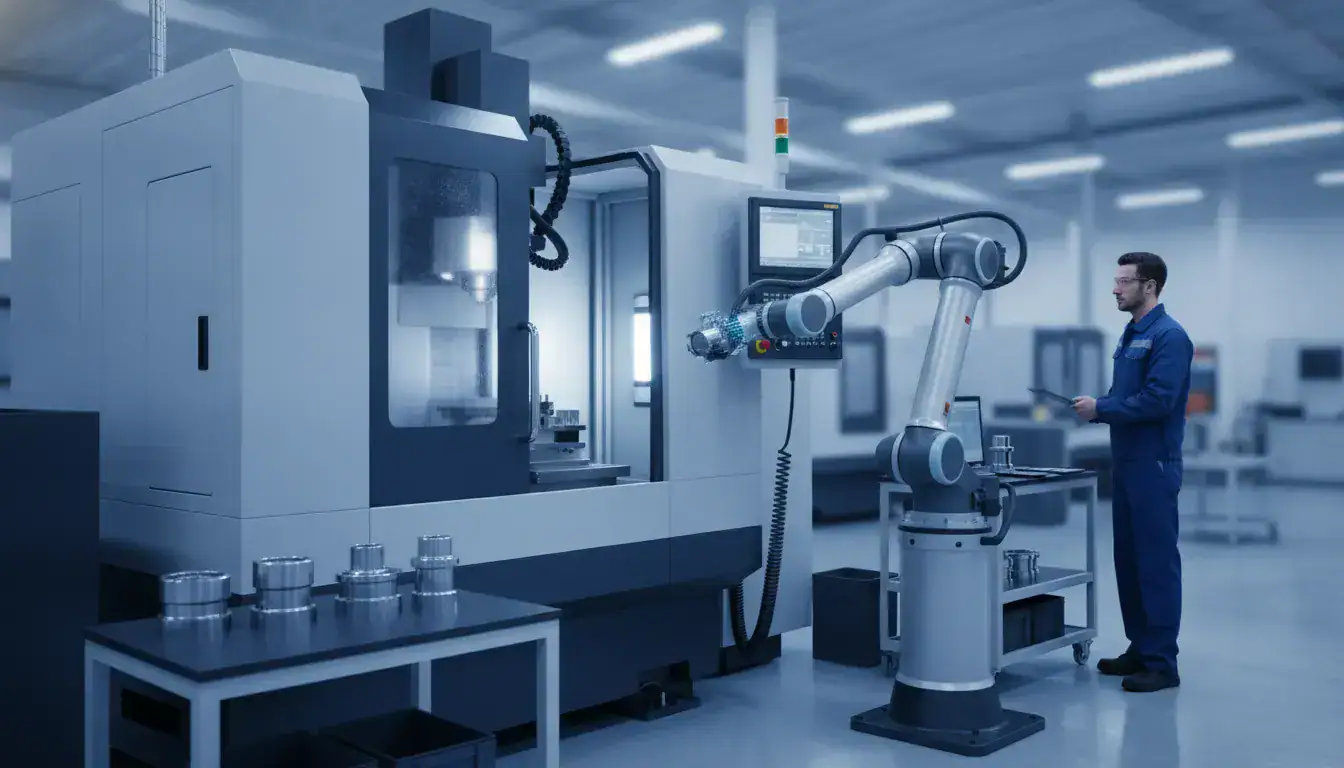
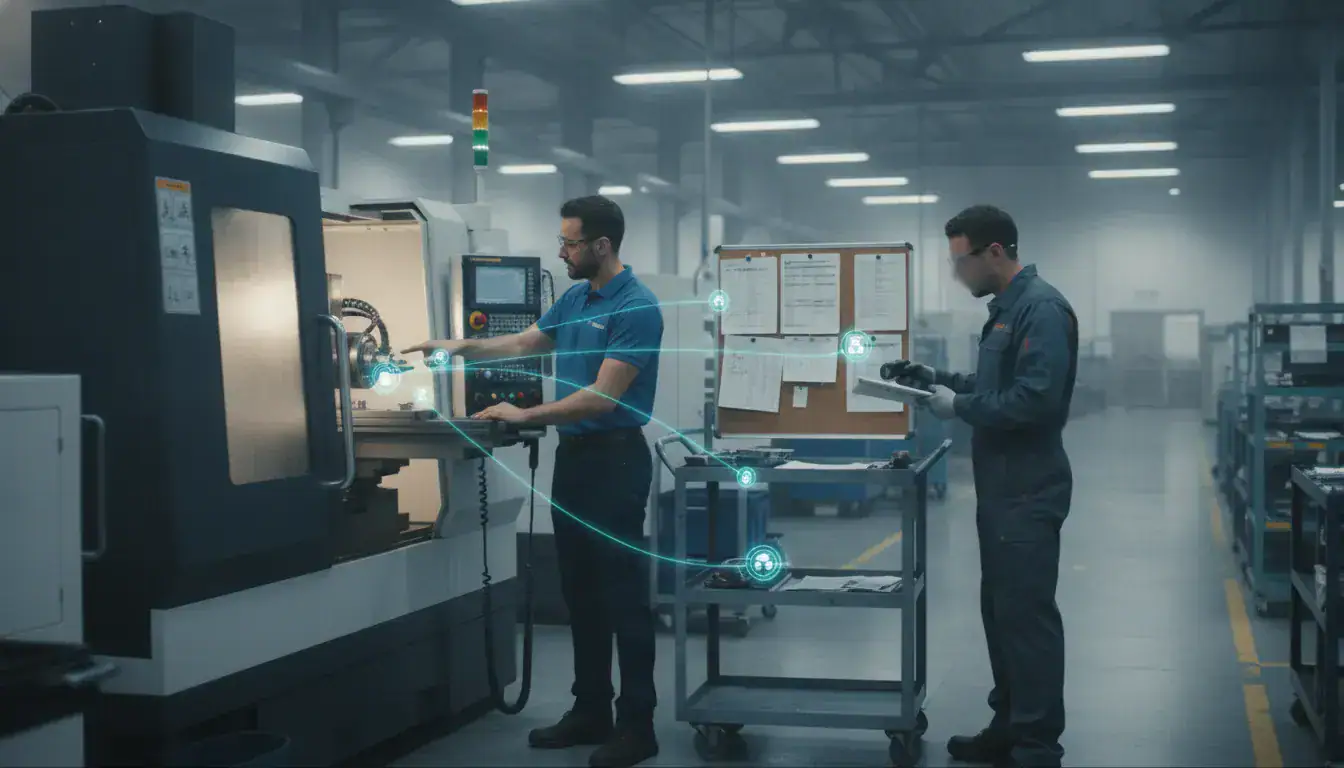
Think of your factory as a living organism. Your ERP system is the brain, handling high-level strategy and planning. But what acts as the central nervous system, carrying instructions to the shop floor and sending real-time feedback to the brain? Without this connection, your operation is slow to react and lacks coordination. A Manufacturing Execution System (MES) is that nervous system. It connects your people, machines, and systems into a single, cohesive unit. If you’ve been looking for a manufacturing execution system pdf to understand the architecture, you’re on the right track. This guide breaks down how it works in simple terms.
Key Takeaways
- Connect your plans to your shop floor: An MES serves as the vital communication link between your ERP system and your actual production. It turns broad business goals into detailed, real-time tasks while giving you a clear, live view of all operations.
- Replace guesswork with real-time data: An MES gathers live information on machine performance, job status, and quality control. This allows you to proactively solve bottlenecks, reduce expensive downtime and scrap, and schedule resources more effectively to meet your deadlines.
- Scale your shop with confidence: An MES is a flexible tool for manufacturers of any size, not just large corporations. It provides the operational control and data-driven foundation you need to manage growing complexity, maintain high quality standards, and expand your business without the chaos.
What Is a Manufacturing Execution System (MES)?
Think of a Manufacturing Execution System, or MES, as the central nervous system for your shop floor. It’s a smart software solution that connects your high-level business plans with the real-world action happening at every machine and workstation. While your ERP system handles the big-picture planning, an MES gets down to the nitty-gritty, managing and monitoring the entire production process from raw materials to finished goods in real time. It’s the key to transforming a reactive environment into a proactive, data-driven operation, giving you the visibility you need to truly manage your shop floor.
Where MES Fits in Your Operations
So, where does an MES actually live within your factory’s tech stack? It sits right between your Enterprise Resource Planning (ERP) system and your physical shop floor equipment. Your ERP is great for business-level tasks like accounting, order management, and inventory planning, but it doesn’t know if a machine is down or if a job is running behind schedule. An MES fills that critical information gap. It takes the production orders from the ERP and translates them into a detailed, moment-by-moment schedule. This allows for precise production scheduling that tracks every step of the process, giving you a live, accurate view of your operations.
Bridging the Gap Between the Shop Floor and the Front Office
Without an MES, there’s often a frustrating disconnect between the front office and the shop floor. Planners work with data that might be hours or even days old, while the production team juggles paper job travelers and manual data entry. This gap leads to guesswork, delays, and costly mistakes. An MES acts as a digital bridge, creating a seamless, two-way flow of information. It uses shop floor data collection to pull live updates on job progress, machine status, and labor time directly from the source. This information is then fed back into your business systems, giving everyone a clear picture of what’s happening right now.
What Does an MES Actually Do?
Think of a Manufacturing Execution System (MES) as the central nervous system for your shop floor. It’s the software that connects your people, machines, and materials, translating high-level production plans from your ERP into concrete, moment-to-moment actions. While your ERP handles the “why” (what to make and for which customer), the MES focuses on the “how” (the exact process of getting it done on the floor). It’s the digital link that ensures every step of the manufacturing process is executed, monitored, and documented with precision.
An MES works by gathering information from every corner of your operation and using it to coordinate activities in real time. It’s not just about tracking what’s happening; it’s about actively managing the flow of work to make your entire production process more efficient, predictable, and transparent. From the moment raw materials arrive to the second a finished product ships, the MES is there to guide, track, and report on every detail. This creates a single source of truth that empowers your team to make smarter decisions, solve problems faster, and consistently deliver high-quality work on time.
Collect Real-Time Data for Total Visibility
An MES gives you a live, unfiltered view of your entire shop floor. Instead of relying on manual updates or end-of-shift reports, it captures data directly from machines and operator terminals as work happens. This means you can see exactly which jobs are running, how fast they’re progressing, and if any machines are down, all in real time. This level of visibility is a game-changer. It helps you spot bottlenecks before they cause major delays and gives you the accurate information you need to make quick, confident decisions. Effective shop floor data collection is the foundation for a truly connected and responsive manufacturing environment.
Track and Schedule Production with Precision
Turning a production plan into reality requires careful coordination, and that’s where an MES shines. It takes the master schedule from your ERP and breaks it down into a detailed, achievable plan for the shop floor. The system then tracks progress against this schedule in real time, comparing planned production times with actual results. If a job is falling behind or a machine goes offline unexpectedly, the MES immediately highlights the issue. This allows your managers to make instant adjustments, reallocate resources, and keep production moving smoothly. This active approach to production scheduling ensures you can meet deadlines and keep your customers happy.
Manage Quality and Maintain Compliance
Consistently producing high-quality parts is non-negotiable. An MES helps enforce your quality standards by integrating checks and data collection points directly into the production process. It can prompt operators to perform specific measurements, record inspection results, and flag any parts that don’t meet specifications. This creates a complete digital record of quality for every single product that leaves your facility. This detailed documentation is not only essential for internal quality control but also invaluable for industry compliance, audits, and proving the integrity of your work to customers.
Allocate Resources and Labor Efficiently
An MES ensures you’re getting the most out of your most valuable assets: your people and your machines. By providing a clear view of both job requirements and resource availability, the system helps you assign the right operator with the right skills to the right machine. It also helps minimize costly downtime. Through real-time machine monitoring, an MES can track machine status, performance, and utilization. This helps you schedule preventive maintenance more effectively and ensures that your equipment is always running at peak performance, maximizing output and reducing idle time across the shop floor.
Trace Products from Raw Material to Final Delivery
Full traceability means having a complete history of every product you create. An MES builds this history automatically by tracking each component from the moment it enters your facility as a raw material, through every production step, all the way to final assembly and shipment. This creates a detailed “product genealogy” that documents which materials were used, which machines they ran on, and who performed the work. This level of detail is critical for troubleshooting quality issues, managing recalls efficiently, and providing your customers with the documentation they need.
MES vs. ERP: What’s the Difference?
It’s a common point of confusion in manufacturing circles: Where does an Enterprise Resource Planning (ERP) system end and a Manufacturing Execution System (MES) begin? While both are powerful software tools, they play distinct and equally important roles in your operation. Think of it this way: your ERP is the brain of your business, handling high-level strategy and planning, while your MES is the nervous system of your shop floor, executing those plans and reporting back in real time. Understanding the difference is the first step to creating a truly connected and efficient factory.
Defining the Line Between ERP and MES
An ERP system gives you a bird’s-eye view of your entire business. It manages core functions like finance, human resources, sales, and high-level inventory. When you need to answer questions like, “What are our quarterly sales projections?” or “How much raw material do we have in stock across all warehouses?” you turn to your ERP. It’s focused on the business side of the operation, helping you plan and allocate resources company-wide.
An MES, on the other hand, lives on the factory floor. It’s all about the “how” of production. This system manages, monitors, and organizes the entire process of turning raw materials into finished goods. It provides granular, moment-by-moment information through shop floor data collection, tracking every job, machine, and operator to ensure work gets done correctly and on time.
Why Your Shop Needs Both Systems to Thrive
Here’s the key takeaway: MES and ERP are not interchangeable. They are two sides of the same coin, designed to work together to give you complete operational control. An ERP might create a production plan, but it’s the MES that executes it on the ground and sends real-time progress updates back. This seamless flow of information is what separates good manufacturers from great ones.
When your systems are integrated, data moves smoothly between the front office and the factory. Your business leaders get an accurate, up-to-the-minute picture of production, while your shop floor team gets the context they need to meet deadlines and quality standards. This synergy allows everyone to make smarter, faster decisions based on what’s actually happening, not what was planned weeks ago. The result is a more agile, responsive, and profitable operation built on powerful data analytics.
Key Benefits of an MES
An MES delivers tangible results by providing a clear, real-time picture of your production floor. This visibility is the foundation for powerful improvements in efficiency, quality, and profitability. Instead of reacting to problems, you can anticipate them. Instead of guessing at capacity, you know it. Here are four key benefits you can expect.
Reduce Downtime and Waste
Unplanned downtime is a silent profit killer, but an MES brings it into the light. By providing a live view of every machine, you can spot bottlenecks, equipment issues, or material shortages instantly. This real-time machine monitoring empowers your team to resolve problems faster, keeping production flowing and minimizing costly interruptions. The system also tracks materials and processes with precision, which helps you cut down on waste from errors, scrap, and rework. Instead of discovering a problem after a full run is complete, you can intervene immediately.
Improve Quality Control and Compliance
An MES acts as your digital quality assurance partner, tirelessly monitoring each step of production to ensure it meets exact specifications. The system automatically records critical data points, creating a detailed and traceable digital history for every part that leaves your facility. This makes preparing for audits and proving regulatory compliance much simpler and less stressful. You can easily demonstrate that you followed every required procedure, giving both you and your customers complete confidence in your products. When a quality issue does arise, you can quickly trace its origin through the data and prevent it from happening again.
Make Smarter, Data-Driven Decisions
An MES replaces guesswork and gut feelings with hard facts by collecting accurate, real-time shop floor data. You can analyze cycle times, measure OEE, identify your most efficient processes, and pinpoint opportunities for improvement with total confidence. This wealth of data analytics empowers your entire team, from operators to managers, to make informed choices that optimize resource use. It’s about moving from reactive problem-solving to proactive, strategic planning based on what the data is telling you. With clear insights, you can continuously refine your operations for better performance.
Achieve Long-Term Cost Savings
Every improvement in efficiency and quality directly impacts your bottom line. An MES drives profitability by turning these operational gains into measurable, long-term savings. When you reduce downtime, minimize scrap, and eliminate rework, you protect your margins on every job. The system also enhances your production scheduling, helping you balance workloads and use resources more effectively to avoid costly overtime. These efficiencies aren’t just one-time wins; they compound over time, building a more resilient and profitable business for the long haul.
Common Shop Floor Challenges an MES Solves
Running a shop floor comes with a unique set of pressures. You’re constantly balancing deadlines, managing resources, and striving for perfect quality, all while trying to keep costs down. Many of the daily frustrations you face, from surprise bottlenecks to inconsistent output, stem from a lack of real-time information and control. A Manufacturing Execution System (MES) is designed to tackle these exact issues head-on by connecting your plans to what’s actually happening on the floor. It replaces guesswork with data, helping you solve persistent problems and run a more predictable, efficient operation.
Eliminate Production Blind Spots
If you’ve ever felt like you’re flying blind, you know the frustration of production blind spots. A job falls behind schedule, but you don’t find out until hours later. A machine goes down, and the ripple effect isn’t clear until it’s a crisis. An MES removes the guesswork by tracking every step of production in real time. It gathers live information from your machines and operators, giving you a complete, up-to-the-minute view of your entire shop floor. This visibility allows you to see problems the moment they arise, so you can make quick adjustments and keep production flowing smoothly. With real-time machine monitoring, you can finally see what’s happening, as it happens.
Streamline Workforce and Resource Management
Getting the right people and machines on the right jobs at the right time is a constant puzzle. Without a clear system, it’s easy to end up with overloaded work centers while others sit idle, leading to missed deadlines and inefficient resource use. An MES helps you solve this puzzle by optimizing your production scheduling. It gives you the tools to balance workloads across your team and equipment, ensuring you’re making the most of your available capacity. By aligning your resources with your production plan, you can improve on-time delivery rates, reduce lead times, and make sure your shop is running as productively as possible.
Maintain Consistent Quality as You Grow
As your business grows, maintaining the same level of quality can become a major challenge. More orders and faster production cycles can create opportunities for errors to slip through the cracks. An MES acts as your digital quality assurance partner, helping you enforce standards at every stage. By continuously monitoring processes and flagging deviations from your specifications, it ensures every product meets your quality benchmarks. It also creates a detailed digital record, which is essential for compliance and for tracing any issues back to their source. This systematic approach to shop floor data collection means you can scale your operations with confidence, knowing that your quality will remain consistently high.
Simplify System Complexity and Secure Your Data
Are you tired of juggling spreadsheets, paper travelers, and multiple software systems that don’t talk to each other? This kind of fragmented system creates data silos, increases the risk of human error, and can be a security liability. An MES brings order to the chaos by centralizing your shop floor operations into a single, integrated platform. It connects directly with your ERP, creating a seamless flow of information from the front office to the shop floor and back. This consolidation not only makes your processes more efficient but also secures your valuable production data in one place. It’s about creating a single source of truth that makes your entire operation stronger, which is a core reason why JobPack focuses on deep integration.
How MES Powers Your Industry 4.0 Strategy
The term “Industry 4.0” gets thrown around a lot, but it’s really about creating a smart, connected factory where your systems, machines, and people work in harmony. A Manufacturing Execution System is the central nervous system that makes this vision a reality. It’s not just another piece of software; it’s the operational hub that connects your top-level business plans with the real-world action happening on your shop floor. An MES provides the framework to collect, analyze, and act on data, turning your facility into a truly intelligent operation ready for the future of manufacturing. It bridges the critical gap between your ERP system’s “what” and “why” (what to make and why) and the shop floor’s “how” (how it gets made). By creating this seamless flow of information, an MES empowers your entire team to make faster, more informed decisions that directly impact efficiency, quality, and your ability to deliver on time. It moves you beyond reactive problem-solving and into a state of proactive optimization, where you can anticipate issues before they disrupt production. This is how you build a factory that’s not just automated, but truly smart.
Integrate IoT for Real-Time Machine Monitoring
Think of an MES as the command center for all the Internet of Things (IoT) devices on your shop floor. It connects directly to sensors and controls on your equipment, creating a live, digital picture of your entire production environment. Instead of waiting for end-of-shift reports, you get instant updates on machine status, cycle times, and output. This level of real-time machine monitoring means you can spot a machine that’s down or running slow the moment it happens. You’re no longer managing based on old information; you’re making proactive adjustments based on what’s happening right now, preventing small hiccups from turning into major delays.
Turn Data into Actionable Shop Floor Intelligence
Collecting data is one thing, but using it effectively is what truly sets successful shops apart. An MES excels at translating the constant stream of raw data from your machines into clear, actionable intelligence. It tracks every step of the manufacturing process, from raw materials to finished goods, and presents it in easy-to-understand dashboards and reports. This allows you to quickly identify production bottlenecks, analyze performance trends, and make confident, data-driven decisions. With powerful data analytics, you can pinpoint exactly where inefficiencies are costing you time and money, giving you the insights needed to optimize workflows and improve your bottom line.
Scale Your Operations with Confidence
As your business grows, your systems need to be able to keep up. A modern MES is built for flexibility, allowing you to adapt to changing market demands and increased production volumes without missing a beat. Whether you’re adding a new machine, a new product line, or even a new facility, an MES provides a scalable foundation that grows with you. This removes the operational chaos that often comes with expansion. By standardizing processes and maintaining clear visibility across your operations, you can confidently take on new opportunities, knowing your shop floor is equipped to handle the challenge. This is a core principle of a successful Industry 4.0 strategy.
Is an MES Right for Your Operation?
Deciding to bring a new system into your shop is a big deal. A Manufacturing Execution System (MES) is a powerful tool, but it’s not a one-size-fits-all solution. The real question is whether it’s the right tool for the challenges you’re facing right now. If you’re wondering whether your operation has outgrown its current processes, you’re already on the right track. Let’s walk through a few ways to determine if an MES is your next logical step for growth and efficiency.
Telltale Signs You Need Better Shop Floor Visibility
If you feel like you’re managing your shop floor from the dark, you’re not alone. Many growing manufacturers hit a point where spreadsheets and manual check-ins just don’t cut it anymore. Do any of these situations sound familiar? You’re constantly fighting fires, reacting to machine downtime instead of preventing it. Your team struggles to locate a specific job or determine its real-time status. You have a hunch about where bottlenecks are, but you lack the hard data to prove it and make a change. These are classic signs that you need better visibility. An MES is designed to solve this by providing a live, transparent view of your entire production process through effective shop floor data collection.
Key Features to Look for in an MES Solution
When you start evaluating MES options, the number of features can feel overwhelming. To simplify your search, focus on the core functions that deliver the most impact. First, look for a system that offers true real-time data collection and machine monitoring. This is the foundation for everything else. Next, prioritize precise production scheduling capabilities that help you optimize machine, material, and labor usage. A strong MES should also include tools for quality assurance, ensuring your output consistently meets standards. Finally, make sure it provides performance analysis and reporting. Collecting data is one thing; turning it into clear, actionable insights is what helps you make smarter business decisions and prove your success.
Calculate the Total Cost and ROI
Let’s be direct: implementing an MES is an investment. It’s important to look beyond the initial software price and consider the total cost, which includes integration with your existing systems and team training. But the other side of that coin is the return on that investment (ROI). To get a clear picture, start by quantifying your current pain points. How much money are you losing to unplanned downtime each month? What is the cost of scrap, rework, and missed deadlines? An MES directly targets these areas, leading to significant reductions in waste and downtime while improving on-time delivery rates. Looking at real-world case studies can give you a concrete idea of the financial impact you can expect.
Implementing an MES: What to Expect
Bringing an MES into your shop is a significant project, but it doesn’t have to be a disruptive one. With a clear plan, you can prepare your facility and your team for a smooth transition. Instead of an overwhelming, all-at-once change, a successful implementation is a series of well-managed steps. Knowing what to expect is the first step toward getting it right. Here are the key phases to focus on as you get started.
Integrate with Your Existing ERP and Systems
Think of your MES as the essential bridge connecting your front-office plans with your shop floor reality. A successful implementation hinges on how well it communicates with your existing ERP system. Your ERP knows what to make, but the MES provides the real-time data on how and when it’s happening. A seamless connection ensures everyone works from the same playbook, eliminating data silos and tedious manual entry. The right partner will ensure this integration is smooth, creating a single source of truth for your entire operation without causing major technical headaches or downtime.
Plan for User Adoption and Training
New technology is only as powerful as the people who use it every day. Getting your team’s buy-in is just as important as the technical setup. Some people might be hesitant about a new system, so it’s essential to show them how it makes their jobs easier, not more complicated. Focus on clear communication and hands-on training. When your operators see how an MES helps them hit targets and reduces frustration, they become its biggest champions. Sharing success stories from similar shops can also show your team the real-world benefits and help them feel confident in the change.
Execute a Phased Rollout for a Smooth Transition
Trying to implement an MES across your entire facility at once can be overwhelming. A much smoother path is a phased rollout. Start with a single department or production line to create a model for success and work out any kinks in a controlled environment. This approach minimizes disruption to your overall production schedule and allows your team to build confidence as they learn the new system. Once you’ve perfected the process in one area, you can replicate that success across the rest of the shop floor. You can start planning your own rollout by requesting a demo to see how the system fits your specific needs.
Busting Common MES Myths
When you’re running a busy shop, it’s easy to dismiss new technology because of rumors you’ve heard. Manufacturing Execution Systems often get a bad rap, with myths that paint them as too expensive, too complex, or just plain unnecessary. Let’s take a moment to clear the air and tackle some of the most common misconceptions about MES. You might be surprised to find that what you thought was a barrier is actually an opportunity.
Myth #1: “An MES is just a glorified ERP.”
This is one of the most frequent mix-ups I hear, and it’s worth clearing up. While your ERP is essential for a high-level view of the business—handling things like accounting, purchasing, and inventory—it doesn’t have visibility into the real-time, granular details of your shop floor. An MES, on the other hand, lives on the factory floor. It tracks exactly how raw materials become finished goods, moment by moment. Think of your ERP as the company’s brain, managing overall strategy, while the MES acts as the central nervous system for your production line, ensuring every operation runs smoothly. They are two distinct systems that work together to make your entire business stronger.
Myth #2: “Only huge manufacturers need an MES.”
It’s easy to assume that powerful software is only for the big players, but that’s definitely not the case with an MES. The truth is, the challenges an MES solves are universal. Whether you have 10 employees or 1,000, you still need to reduce scrap, meet deadlines, and know what’s happening with your machines. In fact, smaller shops can see a massive impact from an MES because efficiency gains directly affect the bottom line. It helps you compete and gives you the foundation to grow without the chaos. Systems like these are used across all kinds of industries, from food and beverage to electronics, proving that size isn’t the deciding factor; the need for control and visibility is.
Myth #3: “MES implementation is too complicated.”
Let’s be honest: implementing any new system requires planning. The idea of a long, complicated setup is a valid concern, but the reality of MES implementation has changed a lot. Modern systems are designed to be more intuitive and integrate more smoothly with your existing tools, like your ERP. The key is finding the right partner to guide you through a phased rollout, which prevents overwhelming your team. While it does take effort upfront, the long-term payoff is huge. You gain the ability to make smart, data-driven decisions that improve productivity and cut down on waste. The initial setup is a project, not a permanent headache, and the resulting efficiency makes it a worthwhile investment in your shop’s future.
Take the Next Step Toward a Smarter Shop Floor
Understanding what a Manufacturing Execution System can do is the first step. The next is putting that knowledge into action. In a competitive manufacturing environment, using technology isn’t just about getting ahead; it’s about creating a stable, efficient, and predictable foundation for your entire operation. An MES is central to this transformation, acting as the nervous system for your shop floor. It tracks and records every part of the production journey in real time, from the moment raw materials arrive to the second a finished product is ready to ship.
This system gathers critical information from your machines, sensors, and team members to create a complete, up-to-the-minute picture of production. This isn’t just more data; it’s the right data, delivered when you need it most. This level of insight is what allows you to move from reactive problem-solving to proactive process improvement. By connecting your physical operations to your digital strategy, you build a smarter factory ready for the future of Industry 4.0. It’s about turning abstract goals like “improving efficiency” into concrete, measurable results that you can see every single day. It empowers your team with the information they need to perform their best, reduces the guesswork, and brings a new level of clarity to your entire production schedule.
See How JobPack Transforms Operations
JobPack is designed to make this transformation a reality on your shop floor. Our system connects directly to your machines and workstations, pulling live data that shows you exactly what’s happening at any given moment. This allows you to find and fix problems quickly, significantly reduce machine downtime, and make smart decisions on the fly. You no longer have to wait for end-of-shift reports to find out where a bottleneck occurred or why a job is running behind schedule.
This real-time visibility and control are essential for any manufacturer looking to operate more efficiently and stay competitive. Our customers use JobPack to gain a clear advantage, and you can read their case studies to see how they achieved it.
Request a Personalized Demo
Reading about the benefits of an MES is helpful, but seeing how it can solve your specific challenges is what truly matters. We invite you to see the system in action and discover how it can help your entire team work better and make smarter, more confident decisions. During a personalized demo, we’ll walk you through how JobPack provides the clarity you need to manage your shop floor with precision.
Take the next step toward a more connected and efficient operation. Let us show you how real-time data and operational insights can directly impact your bottom line. When you’re ready, you can request a personalized demo with one of our specialists.
Related Articles
Frequently Asked Questions
My ERP has a manufacturing module. Why would I need a separate MES? That’s a great question, and it’s a common point of confusion. Think of your ERP’s manufacturing module as the high-level planner; it’s excellent for managing inventory, creating work orders, and handling the business side of production. An MES, however, is the on-the-ground manager. It takes those work orders and executes them in real time on the shop floor, tracking every machine cycle, operator action, and quality check. It provides the live, granular data that an ERP module simply isn’t designed to capture. The two systems work together to connect your business plan directly to your production reality.
We’re a smaller shop. Is an MES a practical investment for us? Absolutely. In fact, smaller shops often see a huge impact from an MES because efficiency gains are so critical to growth and profitability. An MES provides the structure to help you compete with larger operations by maximizing the use of your current resources, improving on-time delivery, and reducing costly scrap or rework. Modern systems are scalable, so you can start with the features you need most and expand as your business grows. It’s not about the size of your shop; it’s about your need for control and visibility.
How quickly can we expect to see results after implementing an MES? While the full financial return on investment builds over several months, many shops experience immediate benefits. Within the first few weeks, you’ll gain clear visibility into what’s happening on your floor, which helps you spot and solve bottlenecks much faster. Quick wins often include a noticeable reduction in unplanned downtime and the ability to give customers accurate, real-time updates on their job status. The deeper, long-term savings from optimized scheduling and improved quality control will continue to grow from there.
What’s the difference between an MES and just using machine monitoring software? This is a key distinction. Machine monitoring software is a component, but an MES is a complete system. Think of it this way: machine monitoring tells you if a specific machine is running, down, or how fast it’s going. An MES does that too, but it also connects that information to everything else. It links the machine’s status to the specific job schedule, the operator assigned to it, the materials being used, and the quality standards that need to be met. It provides the context and control that turns raw data into actionable intelligence for your entire operation.
I’m worried my team will resist a new system. How can I ensure they actually use it? This is a very real concern, and the best approach is to frame the MES as a tool that makes their jobs easier. The goal is to eliminate the frustrating parts of their day, like hunting for paper travelers, manually entering data, or guessing which job to run next. When choosing a system, prioritize one that is intuitive and user-friendly. Involve your team leads in the selection process and focus the training on how it helps them meet their goals. A phased rollout, starting with one area, also allows people to build confidence without feeling overwhelmed.