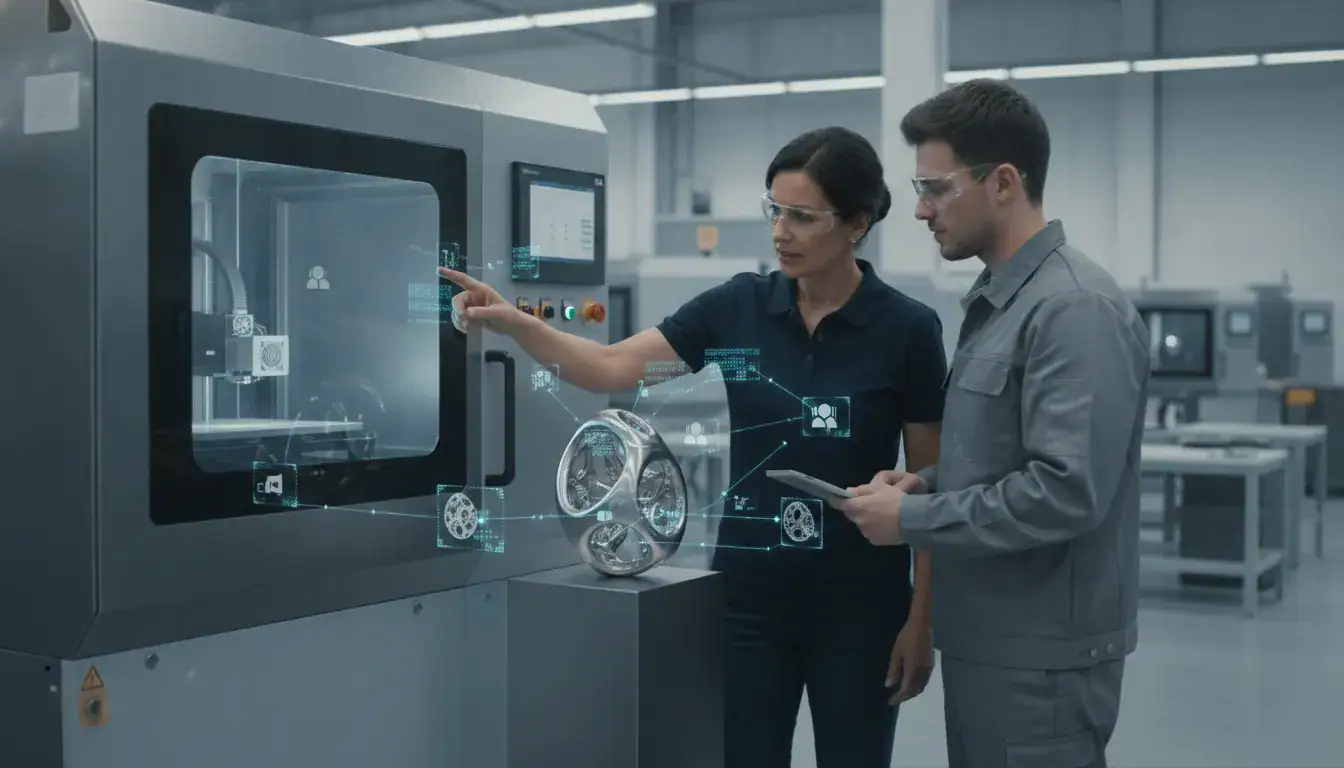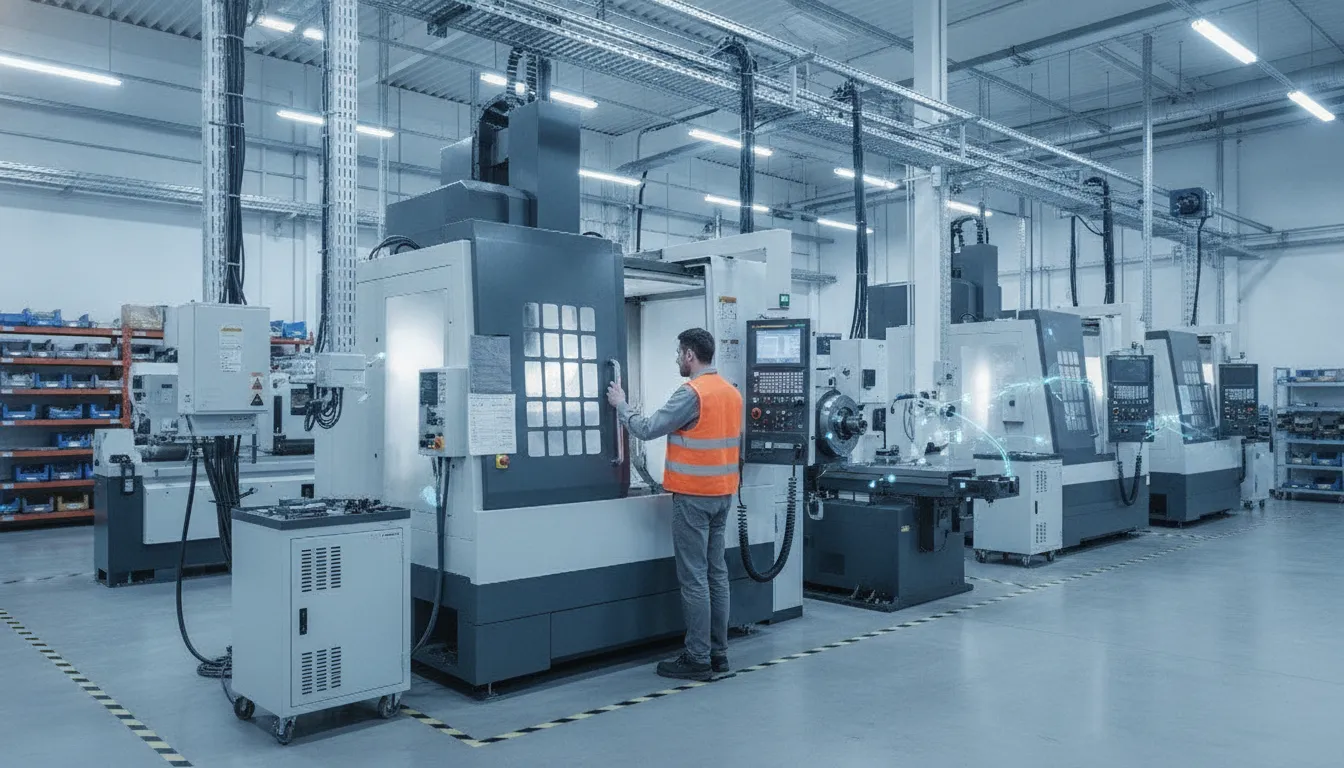

Unexpected downtime, missed deadlines, and production bottlenecks are constant challenges on any shop floor. For years, manufacturers have relied on experience and end-of-shift reports to solve these problems after the fact. Industry 4.0 offers a different approach: one that’s proactive, not reactive. It’s a framework for building a “smart factory” where your machines, software, and people are all connected and communicating in real time. This connectivity gives you the visibility to see issues before they become major disruptions. By applying the fundamental industry 4.0 principles, you can transform your operations, using data to drive decisions, streamline workflows, and gain a significant competitive edge.
Key Takeaways
- Connect your entire operation for full visibility: Industry 4.0 links your machines, software, and people so they can share data in real time. This gives you a complete and accurate picture of your shop floor, eliminating guesswork.
- Use data to become proactive, not reactive: Analyzing live information from your equipment helps you predict maintenance needs before failures occur and optimize production schedules on the fly, which keeps your operations running smoothly.
- Start with a focused, phased approach: A successful transition begins with a clear plan, not a massive overhaul. Tackle one specific challenge first to demonstrate value, learn from the process, and build momentum for future improvements.
What is Industry 4.0?
You’ve probably heard the term Industry 4.0 a lot lately. At its core, it’s about creating “smart” factories by using digital technology. Think of it as the next major step in manufacturing, where data and automation come together to help you make decisions faster, operate more flexibly, and respond to changes in the market almost instantly. It’s not just a buzzword; it’s a practical approach to making your entire operation more efficient and connected.
From Industry 1.0 to 4.0
To really get what Industry 4.0 is, it helps to see how we got here. Manufacturing has gone through a few major shifts over the centuries. The First Industrial Revolution introduced machine production with steam and water power. The second brought us assembly lines and mass production, thanks to electricity and oil. The third revolution, which many of us grew up in, introduced computers and early automation to the factory floor. Now, we’re in the fourth revolution, which builds on all that came before by creating smart factories where data drives everything, making production more efficient and customized than ever.
The Tech Behind the Transformation
So, what makes a factory “smart”? It comes down to a few key technologies that work together. The most important ones are the Internet of Things (IoT), cloud computing, and advanced data analytics. These tools allow you to digitally transform your operations. In an Industry 4.0 setup, machines are equipped with sensors (IoT) that collect massive amounts of data. This data is then processed and analyzed to automate production, predict equipment failures before they happen, and reduce defects. It’s about creating a seamless flow of information where your machines can communicate with each other and with your team to keep things running smoothly.
The 4 Core Principles of Industry 4.0
Industry 4.0 isn’t just about adding new technology to your shop floor. It’s a new way of thinking about manufacturing, built on four core principles that work together to create a truly “smart factory.” These principles act as a blueprint for connecting your physical operations with digital technology, turning raw data into actionable intelligence. Think of them as the pillars supporting a more efficient, flexible, and responsive manufacturing environment. When implemented correctly, they don’t just modernize your equipment; they transform your entire workflow, from initial order to final delivery.
The first principle, interoperability, is about getting everything to talk to each other. Information transparency ensures you can see and understand what’s happening across your entire operation. Technical assistance focuses on using technology to support your team and make their jobs easier. Finally, decentralized decisions empower your systems to handle routine choices on their own, freeing up your people to focus on more complex problems. By understanding how these four principles function, you can start building a practical strategy for bringing the benefits of Industry 4.0 to your own facility. Each principle builds on the last, creating a powerful framework for continuous improvement and innovation.
Interoperability: Connecting Your Systems
Interoperability is the foundational principle of the smart factory. It means that your machines, sensors, devices, and even your people can seamlessly connect and communicate with one another. Through the Internet of Things (IoT), every part of your production process can share data in real time. This constant flow of information eliminates guesswork and gives you a clear, accurate picture of what’s happening on the shop floor at any given moment. True interoperability breaks down the barriers between isolated equipment, creating a unified system where every component works in sync. This is the first step toward achieving total operational awareness and control.
Information Transparency: Gaining Full Visibility
Once your systems are connected, the next step is to make sense of the data they produce. Information transparency is about creating a virtual copy, or “digital twin,” of your physical factory. By collecting and contextualizing sensor data, you can build a comprehensive digital model of your entire operation. This gives your team full visibility into every process, from machine performance to material flow. With access to real-time information, everyone from the shop floor to the front office can make better, more informed decisions. This principle turns raw data into a shared source of truth, aligning your entire organization around clear, objective insights.
Technical Assistance: Supporting Your Team
Industry 4.0 technology is designed to support your most valuable asset: your people. The principle of technical assistance involves using systems to help your team perform their jobs more effectively and safely. This can take many forms. For example, intuitive dashboards can aggregate and visualize complex information, helping workers quickly identify and solve problems. Advanced systems can also provide physical support by handling tasks that are repetitive, physically demanding, or unsafe for humans. By equipping your team with the right tools and information, you empower them to work smarter, not harder, and focus on high-value activities.
Decentralized Decisions: Empowering Smart Systems
The final principle, decentralized decisions, allows your systems to become more autonomous. In a smart factory, cyber-physical systems can make simple, routine decisions on their own without waiting for human approval. For instance, a machine could automatically adjust its settings based on the materials it’s processing or signal for maintenance when it detects wear and tear. This makes your operations faster and more flexible. Of course, human oversight remains critical. These systems are programmed to handle routine tasks and escalate more complex issues or conflicting goals to a higher level, ensuring people are always in control of the most important decisions.
How Interoperability Connects Your Manufacturing Systems
Interoperability is the foundational principle of Industry 4.0. Think of it as teaching all your different machines, software, and systems to speak the same language. When your CNC machines, ERP system, and scheduling software can all communicate seamlessly, you create a truly connected factory. This principle is about making sure every piece of your operation, from the equipment on the floor to the software in the office, can share information freely and work together as a cohesive unit.
This constant flow of information is what makes a smart factory smart. Instead of having isolated pockets of data, you get a complete, real-time picture of what’s happening across your entire production process. This connectivity allows machines to coordinate with each other, systems to update automatically, and people to make decisions based on accurate, up-to-the-minute information. Achieving this level of integration is the first major step in building a more efficient, responsive, and competitive manufacturing operation under the Industry 4.0 framework. It sets the stage for the other three principles by providing the data and connectivity they rely on.
Machine-to-Machine Communication
At its core, interoperability enables direct machine-to-machine (M2M) communication. Through the Internet of Things (IoT), your machines, sensors, and devices can talk to each other without any human intervention. Imagine a machine automatically telling the central scheduling system that a job is complete, which then signals the next machine in the sequence to prepare for a new task. This creates a constant, live stream of data about machine status, performance, and output. This level of automated communication reduces errors, minimizes downtime, and gives you a precise understanding of your shop floor’s pulse. Effective machine monitoring becomes the eyes and ears of your entire operation, capturing critical information right from the source.
Integrating Your Operations
Interoperability goes beyond just connecting machines; it’s about integrating your entire operational workflow. This means your shop floor systems (MES) can communicate directly with your business systems (ERP), creating a seamless link between production and planning. When your production scheduling software receives real-time data from the floor, it can adjust schedules dynamically in response to unexpected delays or changes in priority. This is especially powerful for high-mix, low-volume manufacturers who need to stay agile. By connecting these once-separate systems, you can optimize every aspect of production, from resource allocation to delivery timelines, ensuring every department is working from the same playbook.
Breaking Down Data Silos
One of the biggest hurdles in traditional manufacturing is the presence of data silos, where critical information is trapped within a single department or system. Interoperability shatters these barriers. When all your systems can communicate, data from every corner of your operation is collected and unified into a single, accessible source. This creates a digital reflection of your physical factory, giving everyone from operators to executives a clear and consistent view of what’s happening. With a complete picture, your team can make smarter, faster decisions. This unified approach to data analytics turns raw information into actionable insights that drive continuous improvement and operational excellence across the entire organization.
The Role of Data in Industry 4.0 Decisions
In any manufacturing setting, decisions are made constantly. But with Industry 4.0, those decisions are no longer based on last week’s reports or gut feelings. Instead, they’re driven by accurate, up-to-the-minute information pulled directly from your shop floor. Data is the engine of Industry 4.0, transforming how you see and manage your entire operation. It’s about collecting the right information, understanding what it means, and using it to make smarter choices that directly impact your bottom line.
This shift to data-driven decision-making allows you to move from being reactive to proactive. Instead of just responding to problems as they arise, you can anticipate challenges, optimize workflows, and find opportunities for improvement you might have otherwise missed. By harnessing the power of your operational data, you can improve productivity, increase flexibility, and deliver better products to your customers, faster. The key is having systems in place that can not only gather this data but also present it in a way that’s easy to understand and act on. That’s where powerful data analytics tools come into play, turning raw numbers into clear, actionable insights.
Real-Time Data Collection and Analysis
Real-time data means you have a live view of what’s happening on your shop floor at this very moment. Instead of waiting for end-of-shift reports, you can see production counts, machine statuses, and operator performance as they happen. This immediate feedback loop is a game-changer. If a machine goes down or a job falls behind schedule, you know instantly and can take action to resolve the issue before it causes a major delay. Effective shop floor data collection eliminates guesswork and empowers your team to make informed decisions on the fly, keeping production flowing smoothly and efficiently.
Predictive Analytics for Maintenance
Unexpected equipment downtime is one of the biggest drains on productivity and profitability. Predictive analytics helps you get ahead of it. By using sensors to collect data from your machinery, you can monitor performance and identify subtle warning signs that a failure might be coming. This allows you to schedule maintenance proactively, during planned downtime, rather than scrambling to fix a broken machine while a critical order waits. This approach minimizes disruptions, extends the life of your equipment, and reduces costly emergency repairs. With smart machine monitoring, you can keep your assets running in peak condition and maintain your production schedule.
Optimizing Operations with Data
Beyond preventing problems, data helps you fine-tune every aspect of your production process. By analyzing information from across your operations, you can spot bottlenecks, streamline workflows, and improve your overall efficiency. This is especially valuable in high-mix, low-volume environments where schedules are complex and constantly changing. Data allows you to create digital models of your processes, test different scenarios, and find the most effective way to run your shop. This leads to better production scheduling, improved product quality, and more reliable delivery times, giving you a significant competitive edge.
Key Technologies That Power Industry 4.0
Industry 4.0 isn’t just a concept; it’s a practical shift driven by a handful of powerful technologies working in sync. These tools are the engine behind the smart factory, turning the massive amounts of data your shop floor produces into clear, actionable insights. Think of them as the building blocks that connect your machines, analyze your processes, and help your team make smarter decisions. By integrating these technologies, you can create a more responsive, efficient, and resilient manufacturing operation.
The goal is to build a connected ecosystem where information flows freely from the shop floor to the top floor, giving you a complete picture of what’s happening at every stage of production. This visibility eliminates guesswork and allows you to address small issues before they become major problems. This is the foundation of a true Industry 4.0 transformation, where data doesn’t just inform you, it guides your entire operation toward greater productivity and profitability.
Internet of Things (IoT) and Cyber-Physical Systems
At its core, the Internet of Things (IoT) is about connecting your physical equipment to a digital network. Imagine every machine, tool, and sensor on your shop floor equipped to send and receive data in real time. This creates a constant stream of information about performance, status, and environmental conditions. Cyber-physical systems take this a step further by integrating these connected devices with computational power, allowing them to not only report data but also communicate with each other and make autonomous adjustments. This level of connectivity is what enables real-time Machine Monitoring, giving you the ability to track production processes, improve quality control, and automate tasks that once required manual oversight.
Artificial Intelligence (AI) and Machine Learning
If IoT devices are the senses of your factory, then artificial intelligence (AI) and machine learning are the brains. These technologies are designed to analyze the vast amounts of data collected from your machines and find patterns that a human might miss. Machine learning algorithms can sift through historical and real-time data to predict when a piece of equipment is likely to fail, allowing you to schedule maintenance before a costly breakdown occurs. This predictive capability is a game-changer for minimizing downtime and improving overall efficiency. By applying Data Analytics, you can move from a reactive to a proactive operational model, solving problems before they even start.
Cloud Computing and Digital Twins
All the data generated by your connected devices needs a place to go. Cloud computing provides a secure, scalable, and accessible platform for storing and processing this information without needing massive on-site servers. This makes your data available to anyone on your team, anywhere, at any time. One of the most exciting applications this enables is the digital twin: a virtual replica of your physical processes or systems. With a digital twin, you can simulate changes to your Production Scheduling, test new workflows, or optimize machine settings in a risk-free environment. This combination empowers you to make confident, data-driven decisions that improve your real-world operations.
Common Challenges in Adopting Industry 4.0
Shifting to an Industry 4.0 model is a powerful move, but it’s not as simple as flipping a switch. This transformation brings incredible opportunities for efficiency and growth, but it also comes with its own set of hurdles. Understanding these common challenges ahead of time is the best way to create a strategy that addresses them from the start. Instead of seeing them as roadblocks, think of them as key areas to focus your planning and resources.
Successfully implementing Industry 4.0 means preparing for changes in your workforce, technology, security, and budget. By anticipating these needs, you can build a solid foundation for a smarter, more connected manufacturing environment. Let’s walk through the four main challenges you’ll want to keep on your radar.
Developing New Workforce Skills
As your shop floor gets smarter, your team’s skills need to keep pace. The advanced technologies that power Industry 4.0, like AI and machine learning, require a workforce that knows how to manage and interpret them. This doesn’t necessarily mean hiring a brand-new team. Instead, it’s about investing in your current employees through focused training and development.
Creating programs for reskilling and upskilling is essential for a smooth transition. When your team feels confident using new tools for things like real-time machine monitoring and data analysis, they become active participants in your company’s evolution. Empowering your people with the right skills ensures you get the most out of your technology investment.
Addressing Cybersecurity and Data Protection
Connecting more devices to your network naturally expands your digital footprint, which can introduce new security risks. With every sensor and machine sending data, you’re collecting a massive amount of valuable information about your operations, products, and customers. Protecting that data is non-negotiable.
There’s a common misconception that simply collecting more data automatically leads to better results, which can cause companies to overlook critical cybersecurity measures. A solid Industry 4.0 strategy must include a robust plan for data protection. This means securing your network, controlling access to sensitive information, and ensuring your systems are defended against potential threats.
Integrating Complex Technologies
One of the biggest technical hurdles is getting all your systems, both old and new, to speak the same language. Your shop floor likely has equipment from different manufacturers and software that wasn’t originally designed to connect. Making these disparate systems work together is a major challenge.
True interoperability requires creating common standards so that your machines, software, and data platforms can communicate seamlessly. The goal is to break down data silos and create a single, unified view of your operations. This is where having a central platform for shop floor data collection becomes so important, as it helps standardize how information flows across your entire facility.
Allocating Your Budget and Resources
Implementing Industry 4.0 technologies requires a significant financial investment, and it can be tough to know where to start. For many companies, especially small to mid-sized ones, figuring out how to allocate a limited budget for the biggest impact is a major concern. Should you invest in new sensors for your machines, upgrade your scheduling software, or hire a data analyst first?
The key is to start with a clear understanding of your goals. By closely managing and monitoring your production processes, you can identify the areas with the most potential for improvement. Starting with a phased approach, like implementing a production scheduling system, can provide a strong ROI that helps fund future projects.
How to Successfully Adopt Industry 4.0
Transitioning to Industry 4.0 is a strategic process, not a massive overhaul. By breaking it down into manageable steps, you can make meaningful progress without disrupting your entire operation. A successful adoption focuses on building a solid foundation, learning as you go, and ensuring your team is on board. Here’s a practical framework to guide your transition.
Assess Your Company’s Readiness
Before investing in new technology, take an honest look at your current operations. A readiness assessment involves evaluating your existing tech, processes, and team skills to find your starting point. Look at how you handle shop floor data collection and what your machine capabilities are. This isn’t about finding flaws; it’s about creating a clear picture of where you are today. Understanding these gaps helps you build a solid foundation for your strategy, ensuring you invest in solutions that solve your actual problems.
Develop a Phased Implementation Plan
You don’t need to transform your factory overnight. A phased implementation is a smarter approach, letting you gradually introduce Industry 4.0 technologies while minimizing disruption. Start with one key area, like improving production scheduling, and build from there. This method lets you manage risks, measure the effectiveness of each step, and apply what you learn to the next phase. It’s about creating momentum with manageable wins that demonstrate value and build confidence across the organization.
Build a Cross-Functional Team
Adopting new technology is a team sport, not a solo mission for IT. Since Industry 4.0 principles affect everyone, it’s essential to build a cross-functional team from the start. This team should include people from operations, IT, engineering, and HR, as each member brings a unique perspective. This collaboration helps you anticipate challenges, foster creative problem-solving, and get buy-in from every part of the company. When everyone feels involved, the transition is much smoother.
Create Clear Standards and Guidelines
As you integrate new systems, you need a clear playbook. Establishing standards and guidelines is essential for making your adoption a success. These rules ensure everyone is on the same page, from how data is collected to how teams communicate about production status. Clear standards prevent confusion, promote consistency, and make your processes more efficient. This leads to more reliable data, empowering your team to make informed decisions with powerful data analytics.
The Strategic Benefits of Industry 4.0
Adopting the core principles of Industry 4.0 isn’t just about upgrading your technology; it’s about fundamentally transforming your business for the better. When you connect your systems, make data transparent, and empower your teams, you create a more resilient and profitable manufacturing operation. These changes translate directly into tangible benefits that give you a serious edge in the market.
By embracing this new chapter in manufacturing, you can streamline your processes, make more informed choices, and ultimately, build a stronger, more competitive business. Let’s look at the three key strategic advantages you can expect when you implement Industry 4.0 solutions.
Greater Operational Efficiency
Imagine a shop floor where every process is optimized, waste is minimized, and productivity is at an all-time high. That’s the promise of Industry 4.0. By connecting your machines and systems, you can automate repetitive tasks and monitor production in real time. This digital transformation allows you to spot bottlenecks instantly, improve quality control, and get more out of your existing resources. Instead of relying on manual checks and guesswork, you have a constant stream of data that helps you refine every step of the production cycle. This leads to faster turnaround times, lower operational costs, and a significant reduction in errors.
Smarter Decision-Making
In manufacturing, the quality of your decisions depends on the quality of your data. Industry 4.0 gives you access to a wealth of information collected directly from your shop floor. Analyzing this data provides a clear, real-time view of your entire operation. You can move from being reactive to proactive, using tools for predictive maintenance to fix equipment before it fails and minimize costly downtime. With powerful data analytics, you can identify trends, forecast demand more accurately, and make strategic choices that are backed by hard evidence, not just intuition. This ensures you’re always one step ahead.
A Stronger Competitive Advantage
When you combine greater efficiency with smarter decision-making, you create a powerful competitive advantage. Smart factories use automation and data to reduce defects, predict equipment failures, and ensure jobs are delivered on time and within budget. This level of reliability builds trust with your customers and strengthens your reputation in the industry. You become more agile, able to adapt quickly to market changes and customer demands. Companies that successfully implement these technologies aren’t just keeping up; they’re setting the pace, winning more business, and securing their future, as shown in these case studies.
How to Get Started with Industry 4.0
Adopting Industry 4.0 principles doesn’t have to be an overwhelming, all-at-once transformation. Think of it as a series of strategic upgrades that build on each other over time. The goal is to make your operations smarter, more connected, and more efficient, not to replace everything overnight. For most manufacturers, the journey begins with a clear plan that focuses on solving the most pressing challenges first. By breaking the process down into manageable steps, you can start making meaningful progress without disrupting your entire workflow.
The key is to be intentional. Instead of chasing every new piece of technology, focus on what will deliver the most value to your team and your customers. It starts with understanding where you are now and where you want to go. From there, you can identify the right partners and technologies to help you bridge that gap. A successful transition is built on a solid foundation of planning, collaboration, and a realistic understanding of the timeline. Let’s walk through three practical steps you can take to get started on your own Industry 4.0 journey.
Create a Strategic Roadmap
Your first step is to map out your path. A strategic roadmap isn’t about predicting the future; it’s about setting clear goals based on your current needs. Start by identifying the biggest bottlenecks or areas of inefficiency in your production process. Where are you losing time or money? For many small and medium-sized businesses, the most effective starting point is to gain better control over production by closely monitoring and managing their processes in real time. This allows you to make immediate improvements while gathering the data you need to plan your next move. Your roadmap should outline a phased approach, starting with a pilot project that addresses a specific pain point and delivers a clear return on investment.
Choose the Right Technology Partners
You don’t have to build your smart factory alone. The right technology partner can provide the tools and expertise you need to bring your roadmap to life. Look for partners who understand the unique challenges of manufacturing and offer solutions that integrate with your existing systems. A good partner will help you connect your machines and software, breaking down data silos and giving you a unified view of your shop floor. When evaluating options, focus on solutions that help you monitor production, optimize quality control, and automate tasks where it makes sense. The goal is to find a partner who acts as an extension of your team, guiding you toward the best solutions for your specific goals.
Set a Realistic Timeline
Industry 4.0 is a marathon, not a sprint. It’s about creating a culture of continuous improvement powered by digital tools. Trying to do too much too soon can lead to frustration and stalled progress. Instead, set a realistic timeline that aligns with your strategic roadmap. Begin with a single, well-defined project that you can complete within a reasonable timeframe. This allows you to learn, adapt, and demonstrate value quickly, which helps build momentum and buy-in from your team. As you complete each phase, you can see how other companies have achieved successful results and apply those lessons to your next steps, gradually scaling your efforts across the entire organization.
Related Articles
- 6 Top Digital Manufacturing Companies to Watch
- Industry 4.0 Production Scheduling Software for Smart Factories | JobPack
- Industry 4.0 Archives – JobPack
Frequently Asked Questions
Is Industry 4.0 only for large corporations, or can my small shop benefit too? Not at all. Industry 4.0 is a set of principles that can scale to fit any size operation. The key is to start with your most significant challenges. For many small to mid-sized shops, this might mean implementing a better production scheduling system or using real-time machine monitoring to understand downtime. You don’t need a massive budget to begin making your data work for you; you just need a clear goal and a focused starting point.
Do I need to replace all my existing equipment to get started? This is a common misconception, but the answer is no. A core idea of Industry 4.0 is interoperability, which is about connecting the systems and machines you already have. Often, you can retrofit older equipment with sensors and connect them to a central software platform. The goal is to make your current assets smarter and create a flow of information, not to start from scratch with a factory full of brand-new machines.
What’s the difference between Industry 4.0 and the automation we already have? While automation is a component of Industry 4.0, they aren’t the same thing. Traditional automation focuses on making a single machine or process run on its own. Industry 4.0 connects that automated process to the rest of your operation. It takes the data generated by your machines and turns it into insights that help you make better decisions about scheduling, maintenance, and workflow across the entire factory.
Will these smart systems make my employees’ jobs obsolete? Quite the opposite. The goal of this technology is to support your team, not replace them. By automating repetitive data collection and providing clear visualizations of what’s happening on the floor, these systems free up your employees to focus on what they do best: problem-solving, quality control, and process improvement. It empowers them with better information so they can work more effectively and safely.
What is the most practical first step to take toward Industry 4.0? The best first step is to identify your biggest operational pain point. Are you struggling with meeting deadlines, dealing with unexpected machine downtime, or unsure of your true job costs? Once you know the problem, you can look for a specific technology solution that addresses it. Starting with a focused project, like implementing a real-time scheduling or machine monitoring system, provides a clear return on investment and builds momentum for future steps.