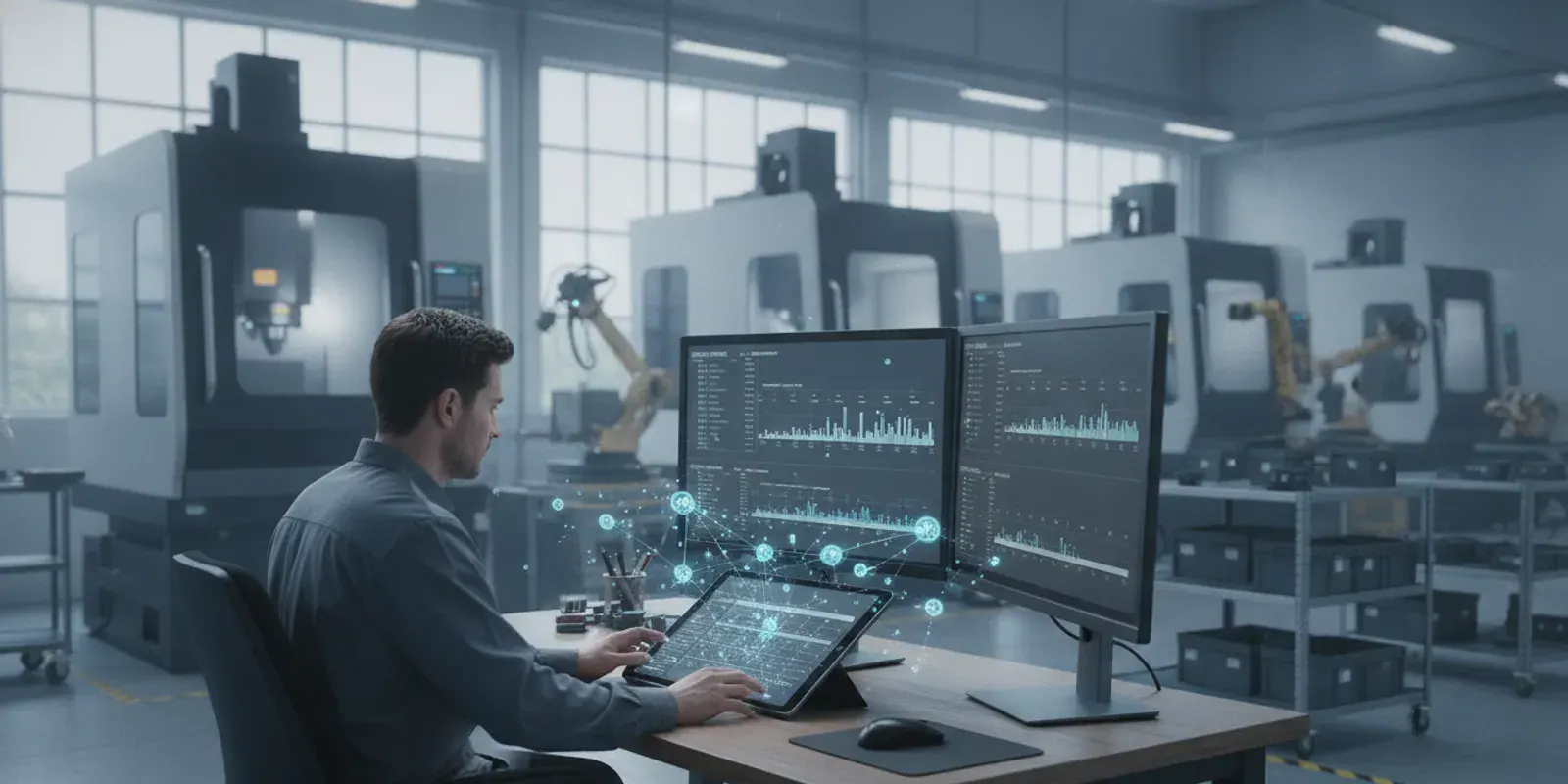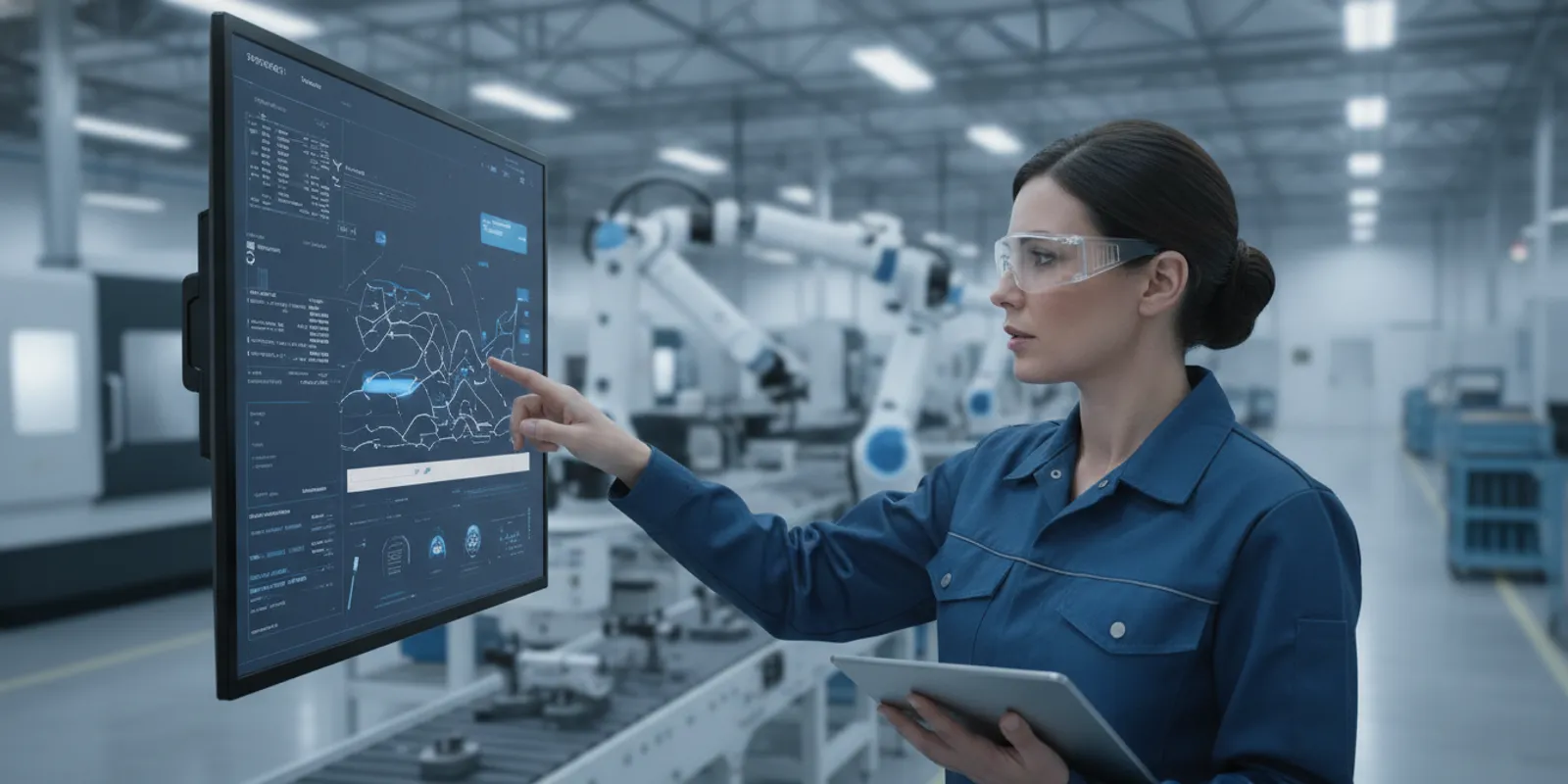

When your sales team promises a delivery date, are they working with real information or just a good guess? Disconnected departments often lead to missed deadlines and frustrated customers. A wip tracking system acts as the single source of truth for your entire operation, breaking down data silos between the shop floor, planning, and the front office. It provides transparent, up-to-the-minute information that everyone can rely on. This article explores how this level of connectivity creates a more cohesive and efficient organization, ensuring that every team is working from the same playbook to deliver for your customers on time.
Key Takeaways
- Gain proactive control of your shop floor: A WIP system gives you the real-time visibility to spot and solve production bottlenecks as they happen, preventing small delays from turning into missed deadlines.
- Prioritize seamless integration: The most effective WIP system connects with your existing ERP and machine monitoring software. This creates a single source of truth, ensuring your entire team makes decisions based on the same accurate, up-to-the-minute data.
- Plan for a successful adoption: A smooth rollout is about more than just technology. Success requires clear goals, a solid training plan, and getting your team involved early to ensure they understand how the new system makes their jobs easier.
What is a WIP Tracking System?
A Work in Process (WIP) tracking system is your command center for everything happening on the shop floor. Think of “WIP” as any inventory that has entered the manufacturing process but isn’t a finished product yet. This includes raw materials that have been cut, assembled parts waiting for the next step, or items in the middle of a production cycle. The main goal of a WIP system is to give you a clear, real-time view of where every job stands as it moves from one stage to the next, ensuring your operations run smoothly and efficiently.
Instead of relying on guesswork or outdated spreadsheets, you get accurate information that helps you keep production on schedule and on budget. This visibility is what allows you to move from a reactive state (finding out about a delay after it happens) to a proactive one (seeing a potential bottleneck forming and addressing it). This system is the bridge between your initial production plan and the final finished product. It answers critical questions like: “Where is order #1234 right now?”, “Is the milling station getting backed up?”, and “How much value is tied up in unfinished goods?”. By providing clear answers, a WIP tracking system helps you streamline workflows, reduce lead times, and ultimately deliver for your customers on time.
The Core Components
At its heart, a WIP tracking system relies on automated technologies to capture what’s happening on the floor without constant manual data entry. This often involves tools like barcode scanners, RFID tags, or direct connections to your machinery. The goal is to make shop floor data collection as seamless and error-free as possible. This automation provides real-time visibility into the flow of materials and jobs throughout production. Instead of waiting for end-of-shift reports, you can see progress as it happens. This live feed of information is what allows for better decision-making and smarter resource allocation on the fly, giving you the agility to adapt to changes as they occur.
How a WIP System Works
A WIP tracking system allows you to monitor the progress of every single job in real time, which is absolutely crucial for maintaining efficiency. As a part moves from one workstation to the next, its status is updated in the system automatically. This creates a digital thread that follows each item throughout the entire production process, from raw material to its final destination. This level of transparency is a game-changer. It helps you ensure products are being made efficiently and cost-effectively. With accurate machine monitoring, you can see exactly how long each step takes, identify where delays occur, and manage your production schedule with much greater confidence and precision.
Why Your Shop Floor Needs WIP Tracking
If you’ve ever felt like you’re flying blind on the shop floor, you’re not alone. Without a clear view of every job’s status, it’s nearly impossible to spot small issues before they become major delays. This is where Work-in-Progress (WIP) tracking comes in. It’s not just about knowing where a part is; it’s about understanding the flow, timing, and efficiency of your entire production line from start to finish.
Implementing a WIP tracking system gives you the data-driven oversight needed to move from reactive problem-solving to proactive process improvement. You can pinpoint bottlenecks, manage resources more effectively, and give your entire team, from operators to the C-suite, a single source of truth. This clarity helps you deliver on time, reduce waste, and ultimately, run a more profitable operation. It transforms your production floor from a collection of separate processes into a cohesive, transparent, and highly efficient system.
Gain Clear Production Visibility
A WIP tracking system pulls back the curtain on your entire production process. Instead of relying on manual updates or walking the floor, you get a real-time, bird’s-eye view of every job’s status. This immediate insight allows you to see exactly where work is flowing smoothly and where it’s getting stuck. Identifying these bottlenecks as they happen means you can address them right away, preventing small delays from cascading into missed deadlines. This level of transparency is fundamental to effective production scheduling and keeps your operations running like a well-oiled machine. This visibility also extends beyond the shop floor, giving project managers, sales teams, and leadership the accurate data they need.
Understand the Cost of Poor WIP Management
An unexpectedly large amount of work-in-progress is often a red flag for deeper inefficiencies in your production process. Each item sitting on the floor represents tied-up capital in the form of materials, labor, and overhead. When WIP piles up, it’s not just a space issue; it’s a financial drain. Effectively managing your WIP is critical to producing goods efficiently and cost-effectively. By tracking progress, you can identify which stages are taking longer than planned and address the root causes. This helps you reduce carrying costs, minimize waste, and get a much clearer picture of your true production expenses through detailed data analytics.
Make Smarter, Faster Decisions
In manufacturing, the ability to adapt quickly is a major competitive advantage. WIP tracking provides the real-time data you need to make informed decisions on the fly. When you can monitor the progress of each job moment by moment, you can make immediate adjustments to prevent delays or reallocate resources to where they’re needed most. This is especially powerful when combined with live machine monitoring, which feeds performance data directly into your tracking system. With clear dashboards and up-to-the-minute insights, you and your team can manage the entire manufacturing process with confidence, whether you’re on the shop floor or in the office.
Key Features to Look for in a WIP Tracking System
When you start looking at different WIP tracking systems, you’ll quickly realize they aren’t all built the same. The right system does more than just tell you where a job is; it becomes the central nervous system of your shop floor, providing clarity and control. To get the most out of your investment, you need a solution with a specific set of features designed to handle the complexities of modern manufacturing.
Think of it like this: you wouldn’t buy a car without checking what’s under the hood. The same principle applies here. A system that offers real-time data, connects with your existing software, and presents information in a way that’s easy to understand is essential. These core capabilities are what separate a basic tracking tool from a truly transformative platform. As you evaluate your options, focus on these five non-negotiable features. They are the building blocks for a more efficient, predictable, and profitable production process.
Real-Time Monitoring
To solve problems effectively, you first need to see them as they happen. That’s why real-time monitoring is at the top of the list. A system that provides a live view of your shop floor allows you to spot bottlenecks, address machine downtime instantly, and make quick, informed decisions to keep production moving. Instead of waiting for end-of-shift reports to find out what went wrong, you can see a job falling behind schedule and intervene immediately. This level of visibility turns your team from reactive problem-solvers into proactive managers. True machine monitoring gives you the power to manage the present moment, which is the only way to secure a better future outcome.
Seamless ERP and MES Integration
Your WIP tracking system shouldn’t be an island. For it to be truly effective, it must communicate seamlessly with the other software you rely on, like your Enterprise Resource Planning (ERP) or Manufacturing Execution System (MES). When your systems are integrated, data flows freely between them, eliminating the need for manual double-entry and reducing the risk of errors. This creates a single source of truth for your entire operation. An integrated approach ensures that data from the shop floor informs everything from inventory management to financial forecasting, helping you optimize your workflow and break down departmental silos. Without this connection, you’re just collecting data in a vacuum.
Automated Data Collection
Let’s be honest: manual data entry is slow, tedious, and prone to human error. Relying on clipboards and spreadsheets to track production is a recipe for inaccurate information. An effective WIP system automates this process entirely. By connecting directly to your machines and workstations, it captures precise data on cycle times, output, and downtime without any manual input. This automated shop floor data collection not only saves your team countless hours but also provides a foundation of reliable, trustworthy data. When you can trust your numbers, you can confidently make decisions that will actually improve your bottom line.
Powerful Reporting and Analytics
Collecting data is just the first step. The real value comes from what you do with it. A top-tier WIP tracking system includes powerful reporting and analytics tools that transform raw numbers into actionable insights. It should allow you to easily generate reports on job progress, machine performance, and overall equipment effectiveness (OEE). These insights help everyone, from project managers and planners to the sales team and top management, understand what’s happening on the shop floor. With robust data analytics, you can identify long-term trends, pinpoint areas for improvement, and make strategic decisions backed by hard evidence.
An Intuitive, User-Friendly Interface
The most powerful software in the world is useless if your team finds it too complicated to use. A great WIP tracking system should present complex information in a simple, visual, and intuitive way. Look for systems with clean dashboards that display key metrics at a glance, using color-coding and clear graphics to highlight potential issues. This makes it easy for production managers to monitor progress, even remotely. When the interface is user-friendly, your team is more likely to adopt the system and use it to its full potential. The best way to gauge this is to request a demo and see for yourself how easy it is to find the information you need.
How WIP Tracking Improves Shop Floor Efficiency
A WIP tracking system does more than just tell you where a part is. It transforms your shop floor data into a powerful tool for operational improvement. By giving you a clear, real-time view of your entire production process, you can move from reacting to problems to proactively preventing them. This visibility is the key to running a more streamlined, predictable, and profitable operation. It allows you to identify inefficiencies that were previously hidden, like a machine that consistently runs slower than expected or a workstation that frequently becomes a chokepoint.
Instead of relying on manual reports or guesswork, you get a live, accurate picture of what’s happening on the floor at any given moment. This shift from reactive management to proactive oversight has a ripple effect across your entire business. Planners can create more realistic schedules, sales teams can provide customers with more reliable delivery dates, and leadership can make strategic decisions based on solid data, not assumptions. Ultimately, tracking your work-in-process gives you the control you need to optimize every step of your manufacturing workflow, ensuring you can deliver quality products on time and within budget.
Eliminate Production Bottlenecks
One of the quickest ways to derail a production schedule is an unforeseen bottleneck. WIP tracking gives you the real-time oversight to see exactly where jobs are slowing down or piling up. Instead of discovering a delay after it’s already impacted your delivery date, you can monitor the progress of every job as it moves through the floor. This allows you to spot potential hold-ups and take immediate action. With clear insight into your workflow, you can adjust your production scheduling on the fly, reallocate resources to clear the jam, and keep every order moving smoothly toward completion.
Optimize Resource Allocation
Are your machines and operators being used as effectively as possible? Without clear WIP data, it’s hard to know for sure. Real-time tracking shows you the status of every machine and the workload of every team member. This information helps you make smarter decisions about resource allocation, ensuring that you have the right people and equipment on the right jobs at the right time. Effective machine monitoring integrated with WIP data means less idle time and more productive hours. This visibility also extends beyond the shop floor, helping planners and sales teams provide more accurate quotes and reliable delivery timelines to customers.
Minimize Waste and Rework
Scrap and rework are silent profit killers in any manufacturing environment. A robust WIP tracking system helps you catch quality issues early in the production cycle, long before they become costly mistakes. If a problem is detected at one station, you can immediately see which parts are affected and prevent them from moving further down the line. This proactive approach is made possible by accurate shop floor data collection, which gives you full control over your processes. By minimizing the materials and labor lost to rework, you can protect your margins and deliver higher-quality products consistently.
Improve Quality Control
Quality control shouldn’t be an afterthought; it should be an integral part of your production workflow. WIP tracking allows you to build quality checks directly into your process and monitor compliance at every stage. You can see which parts have passed inspection, which are pending, and which have failed, creating a complete digital history for every item you produce. This level of detail ensures accountability and provides invaluable information for process improvement. By using data analytics to review quality trends, you can trace the root cause of defects and implement changes to prevent them from happening again.
What to Look for in a Top WIP Tracking System
When you start evaluating WIP tracking systems, it’s tempting to focus on a simple checklist of features. But a truly effective system is more than just the sum of its parts. The real value comes from how it connects different areas of your operation to create a single, clear picture of what’s happening on your shop floor. Instead of just telling you where a job is, the right system tells you why it’s there, how it’s progressing against the schedule, and what its status means for the rest of your production line.
Think of it this way: a basic tracker is like a single dot on a map. An advanced, integrated system is like a live GPS with traffic updates, route optimization, and an accurate ETA. It provides crucial context. This means looking for a solution that doesn’t just collect data but makes it immediately useful. The system should offer real-time visibility that allows you to spot a bottleneck the moment it forms, not hours later when you’re reading a report. It needs to seamlessly integrate with your existing ERP, pulling and pushing information to ensure everyone from the shop floor to the front office is working from the same playbook. This level of integration turns raw data into the kind of data analytics that drives smarter, faster decisions and gives your entire team the insights they need to succeed.
An Integrated Approach: JobPack’s Scheduling and Monitoring
A standalone WIP system can only take you so far. True efficiency comes from an integrated platform where tracking is a natural outcome of your core operations. This is where JobPack’s approach makes a difference. We combine powerful production scheduling with real-time machine monitoring to give you a complete, dynamic view of your work in progress. Instead of just tracking parts, you’re tracking progress against a live, optimized schedule. This allows you to see not only where a job is but also if it’s on time, ahead of schedule, or falling behind, so you can address issues before they impact your delivery dates. This integrated data provides the foundation for making informed, data-driven decisions that streamline your entire workflow.
Understanding the Cost of a WIP System
When you’re considering a new WIP tracking system, the price is obviously a major factor. But the total cost isn’t just about the number on the invoice. It’s about understanding the pricing model, identifying all potential expenses, and most importantly, calculating the long-term value it will bring to your shop floor. A clear financial picture helps you make a confident decision that aligns with your budget and your production goals. Thinking through these financial details from the start ensures you’re not just buying software, but making a strategic investment in your company’s efficiency and growth. Let’s break down what you need to consider.
Subscription vs. One-Time Purchase Models
Most software, including WIP systems, comes in two main flavors: subscription or a one-time purchase. A subscription model involves a recurring fee, usually monthly or annually. This approach keeps your initial investment low and makes budgeting predictable. It also typically includes ongoing support and software updates, so you’re always using the latest version. On the other hand, a one-time purchase involves paying a larger sum upfront for a perpetual license to use the software indefinitely. While the initial cost is higher, you own the license, and you won’t have recurring payments. However, be sure to ask about costs for future upgrades or ongoing technical support, as these might not be included. The right choice depends on your company’s cash flow and how you prefer to manage operational expenses.
Key Factors That Affect Pricing
Beyond the subscription versus one-time purchase decision, several other factors will shape the final cost of your WIP system. The size of your operation is a big one; pricing is often based on the number of users who need access or the number of machines you want to connect. The specific features you need also play a huge role. A basic tracking package will cost less than a comprehensive solution with advanced data analytics and custom reporting. Don’t forget to account for implementation costs. This can include setup, migrating data from old systems, and integrating the new software with your existing ERP. Finally, consider the cost of training your team and any ongoing support plans, especially if you opt for a one-time purchase model.
How to Calculate Your Return on Investment (ROI)
A WIP system is an investment, and you should expect a solid return. To calculate your potential ROI, you need to look at both the costs and the financial gains. Start by adding up all the expenses we just discussed. Then, estimate the value the system will bring. This includes cost savings from reduced material waste, less rework, and minimized machine downtime. It also includes revenue gains from faster production cycles and better on-time delivery rates, which lead to happier, more loyal customers. Once you have those figures, you can see how quickly the system will pay for itself. While a one-time purchase has a higher initial cost, the lack of recurring fees can make it more profitable in the long run. Looking at case studies from similar manufacturing shops can give you a realistic idea of the financial impact you can expect.
Common Implementation Challenges (and How to Solve Them)
Introducing any new system to your shop floor comes with its own set of hurdles. A WIP tracking system is no different. While the benefits are clear, the path to a successful rollout requires careful planning to address potential roadblocks head-on. From getting your team comfortable with new processes to making sure your data is clean and connected, anticipating these challenges is the first step toward solving them. With a thoughtful strategy, you can manage the transition smoothly and start seeing improvements in efficiency much faster. The key is to focus on people, processes, and technology in equal measure.
Getting Your Team On Board
One of the biggest challenges isn’t the technology itself, but the people who will use it every day. Change can be met with resistance, especially if your team sees a new system as just another task on their to-do list. The best way to get everyone on board is to clearly communicate the “why” behind the change. Show them how a WIP system reduces manual data entry and guesswork, making their jobs easier. Involve key operators and managers in the selection process to give them a sense of ownership. When your team understands that the goal is to eliminate frustrations, not add to them, they’ll be more likely to embrace the new tool.
Managing Data Integration
Your shop floor likely already runs on several systems, like an ERP or MES. A new WIP tracking system needs to communicate with this existing software to be truly effective. Without proper integration, you end up with data silos and an incomplete picture of your production process. Before you commit to a system, confirm that it can seamlessly connect with your current software stack. A solution with strong data analytics capabilities will be designed to pull information from various sources, giving you a single, unified view of your operations and helping you manage your manufacturing workflow from one place.
Ensuring Data Accuracy
The insights you get from a WIP system are only as good as the data you put into it. Manual data entry is slow and prone to human error, which can lead to inaccurate reports and poor decision-making. The solution is to automate data collection wherever possible. Look for a system that uses real-time shop floor data collection methods like machine monitoring, barcode scanners, or RFID tags. Automating this process not only saves time but also dramatically improves data accuracy, giving you a reliable, real-time view of material flow and production status.
Planning for Training and Adoption
You can have the most powerful software in the world, but it won’t do you any good if your team doesn’t know how to use it. A lack of proper training is a common reason why new implementations fail to deliver on their promise. Create a comprehensive training plan that goes beyond a single launch-day session. Provide ongoing support, easy-to-access documentation, and opportunities for team members to ask questions. Consider rolling out the system with a small pilot group first to identify any issues and create internal champions who can help train their peers. A well-trained team is a confident team, ready to make the most of the new system.
Industries That Benefit Most from WIP Tracking
While nearly any company that builds a product can find value in tracking work in process, some industries see a more immediate and dramatic impact. For operations with complex assembly lines, strict regulatory requirements, or tight margins, WIP tracking isn’t just a nice-to-have; it’s a core part of a successful production strategy. If your business operates in one of these sectors, gaining real-time visibility into your shop floor can completely change how you manage efficiency, quality, and profitability.
Manufacturing and Automotive
In general manufacturing and automotive production, processes are often long and complex. A single product can move through dozens of stages, making it easy to lose track of progress. Effective WIP tracking provides the visibility needed to keep the entire production line running smoothly. By monitoring each job in real time, you can spot potential delays before they become major problems, improve quality control at every step, and significantly reduce lead times. This level of insight is critical for producing high-quality goods efficiently and cost-effectively, ensuring you meet customer deadlines without sacrificing your bottom line.
Electronics and Pharmaceuticals
For industries like electronics and pharmaceuticals, precision and traceability are non-negotiable. Automated WIP tracking is essential for minimizing human error and maintaining compliance with strict industry standards. It provides a clear, real-time view of materials as they move through the production cycle, from raw components to finished goods. This detailed tracking creates a transparent supply chain, which is invaluable for quality assurance. If an issue is discovered, you can quickly trace a product’s entire journey, making it easier to manage recalls and maintain customer trust.
Food and Beverage
The food and beverage industry is incredibly competitive, with success often depending on speed and efficiency. Keeping a close watch on WIP is crucial for maintaining full production control and staying ahead of the competition. With perishable goods, any delay can lead to waste and lost revenue. A WIP tracking system with real-time machine monitoring allows production managers to constantly check progress without being tied to the shop floor. This frees them up to focus on strategic improvements while ensuring the production schedule stays on track, orders are filled on time, and resources are used effectively.
Logistics and Supply Chain
The benefits of WIP tracking extend far beyond the shop floor, impacting the entire logistics and supply chain. The valuable data collected provides critical insights for departments like project management, planning, and sales. For example, if a quality issue arises, detailed WIP records make it simple to trace the problem to its source. This real-time visibility helps top management make better-informed decisions, improves forecasting accuracy, and creates a more resilient and responsive supply chain from start to finish.
How to Choose the Right WIP System for Your Business
Selecting the right WIP tracking system is a significant decision that can shape the future of your shop floor. It’s not about finding a one-size-fits-all solution, but about identifying a system that aligns with your unique operational goals, integrates with your current technology, and delivers a clear return on investment. To make the best choice, focus on three key areas: your specific needs, the system’s compatibility, and its overall cost versus value. By carefully considering these factors, you can find a partner that helps you streamline production and drive growth.
Assess Your Manufacturing Needs
Before you even look at a demo, take a hard look at your own operations. What are the most pressing challenges you face daily? Are you struggling with production bottlenecks, missed deadlines, or a lack of visibility into job statuses? Clearly defining your pain points will help you identify which features are must-haves versus nice-to-haves. Effectively managing work in progress allows you to assess your production processes and refine operations to improve efficiency. Make a list of your top three to five goals, whether it’s reducing setup times, minimizing scrap, or improving on-time delivery rates. This list will become your scorecard for evaluating potential WIP systems.
Evaluate System Compatibility and Scalability
A new WIP system shouldn’t create more problems than it solves. That’s why seamless integration is non-negotiable. Your chosen system must be able to communicate effortlessly with your existing ERP, MES, and other business software to prevent data silos and ensure a single source of truth. Think about the future, too. Will the system grow with you? A scalable solution should handle an increase in machines, operators, or even new facilities without a complete overhaul. As you move toward a more connected factory, you need a system that supports your Industry 4.0 ambitions, not one that holds you back.
Compare Pricing and Total Cost of Ownership
It’s easy to get fixated on the initial price tag, but the true cost of a WIP system goes far beyond the upfront investment. Consider the total cost of ownership, which includes implementation, training, hardware, and any ongoing subscription or support fees. More importantly, weigh these costs against the potential return. An automated WIP tracking system saves time and reduces errors, but it also provides the real-time visibility needed to make smarter decisions. Look for providers who can share real-world results and help you calculate the long-term financial benefits, from reduced labor costs to increased throughput and improved customer satisfaction.
Getting Started with WIP Implementation
Bringing a new WIP tracking system onto your shop floor is a big step, but with the right approach, it can be a smooth and rewarding process. The key is to think of it not just as a software installation, but as a strategic improvement to your entire production workflow. By planning ahead, launching thoughtfully, and measuring your results, you can ensure the system delivers real value from day one. This process sets the stage for greater efficiency, better decision-making, and a more organized shop floor.
How to Prepare for a Smooth Transition
A successful implementation starts long before you install any software. The first step is to get a crystal-clear picture of your current operations. Take the time to map out your entire production process, from the moment raw materials arrive to the final shipment. Talk to your team on the floor to understand their daily challenges and bottlenecks. What slows them down? Where do communication breakdowns happen? Their insights are invaluable. Once you understand your starting point, you can set specific, measurable goals. Do you want to reduce cycle times by 10% or cut down on rework by 15%? Having clear objectives will guide your entire implementation and help you choose the right tools for the job.
Best Practices for a Successful Launch
When it’s time to go live, a phased rollout can prevent your team from feeling overwhelmed. Consider starting with a pilot program in a single department or on one production line. This allows you to work out any kinks on a smaller scale before expanding across the facility. Make training a priority. Your team needs to understand not just how to use the software, but why it’s being implemented and how it will make their jobs easier. Use the system’s data analytics and dashboards from the very beginning to showcase real-time progress. When people can see the immediate benefits, like spotting a delay before it becomes a major problem, they’ll be much more likely to embrace the new system.
How to Measure Your Success
How do you know if your new WIP system is actually working? You measure it. Refer back to the specific goals you set during the preparation phase. Your new system should provide the data you need to track key performance indicators (KPIs) like lead time, throughput, and on-time delivery rates. With real-time machine monitoring, you can see exactly how long each job spends at each station. Look for improvements in these numbers over the first few weeks and months. Don’t forget to check in with your team, too. Are they spending less time searching for parts or asking for status updates? A successful implementation isn’t just about the numbers; it’s about creating a smoother, less stressful workflow for everyone.
Related Articles
- How Tracking on the Shop Floor Transforms Manufacturing Businesses
- How JobPack®’s Modules Meet Your Organizational Needs
- How User Interface Design Affects Manufacturing Productivity
- Job Shop Production Scheduling Software
- Shop Floor Data Collection – Manufacturing Data Analytics
Frequently Asked Questions
How is a WIP tracking system different from my ERP? Think of your ERP as the company’s brain, handling big-picture planning like inventory, orders, and financials. A WIP tracking system is the nervous system for your shop floor, focused on the real-time execution of those plans. While your ERP knows what should be happening, the WIP system tells you what is happening right now, tracking each job’s progress from one station to the next. The best systems integrate with your ERP, feeding it live production data so your big-picture plans are always based on reality.
Is a system like this only for big manufacturing plants? Not at all. While large factories certainly benefit, a WIP tracking system can be just as transformative for a small or medium-sized shop. The core challenges of managing production flow, identifying bottlenecks, and reducing waste are universal, regardless of your company’s size. A good system is scalable, allowing you to start with the features you need most and expand as your business grows. The goal is clarity and control, which is valuable whether you have five machines or fifty.
How much training will my team need to use this effectively? This really depends on the system you choose, which is why a user-friendly interface is so important. A well-designed system should be intuitive, presenting information visually so your team can understand job statuses at a glance. While some initial training is always needed to get everyone comfortable, the goal should be quick adoption. The system should make their jobs easier by replacing manual tracking and guesswork, not by adding a complicated new process to their day.
We’re worried about the cost. How can we justify this kind of investment? It’s smart to think about the cost, but it’s even smarter to think about the cost of not having a system. Consider the money you currently lose to rework, missed deadlines, and time spent searching for jobs or manually creating status reports. A WIP system provides a return on investment by directly reducing that waste. It helps you produce more with the resources you already have, which improves profitability and customer satisfaction.
What’s the first step I should take if I’m interested in a WIP system? The best first step is to map out your current production process and identify your biggest pain points. Don’t just think about it; walk the floor and talk to your team. Are jobs getting lost? Are certain machines always backed up? Once you have a clear list of the problems you need to solve, you’ll be in a much better position to evaluate different systems and find one that provides the right solutions for your specific shop.